THE DIGITAL FRONTIER - MOBILE + VR ACCESSIBILITY + LITERACY - American ...
←
→
Page content transcription
If your browser does not render page correctly, please read the page content below

JANUARY/FEBRUARY 2019

  MOBILE + VR
ACCESSIBILITY
   + LITERACY

     THE
     DIGITAL
     FRONTIER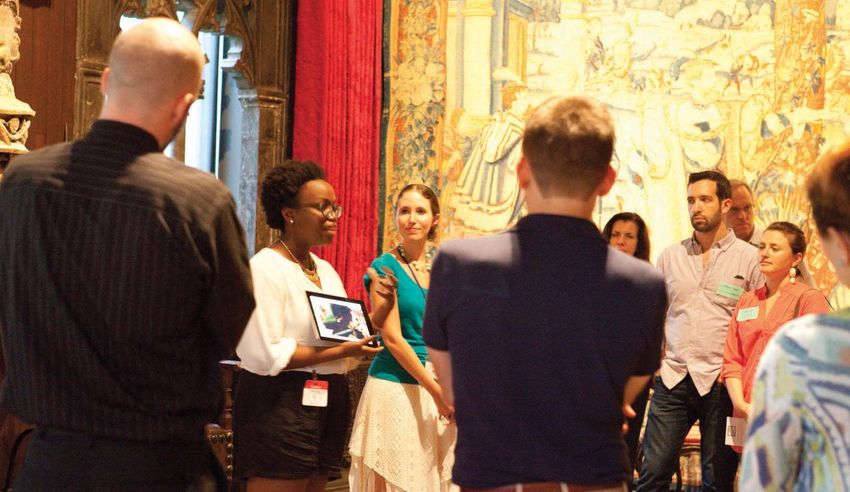
S C OT L A N D ’ S F I N E S T
             T H E M AC A L L A N D I S T I L L E RY & V I S I TO R E X P E R I E N C E
                           DELIVERED BY BECK INTERIORS

WORLD CLASS QUALITY          EXCEPTIONAL SKILL & CRAFTSMANSHIP                       OUTSTANDING SERVICE

     PROUD WINNER OF THE QUEEN’S AWARD FOR ENTERPRISE: INTERNATIONAL TRADE 2018

                   Carol See: csee@beckinteriors.com - Mark Banham: mbanham@beckinteriors.com

                www.beckinteriors.com       beckinteriors       BECK        +44 (0) 20 8974 0500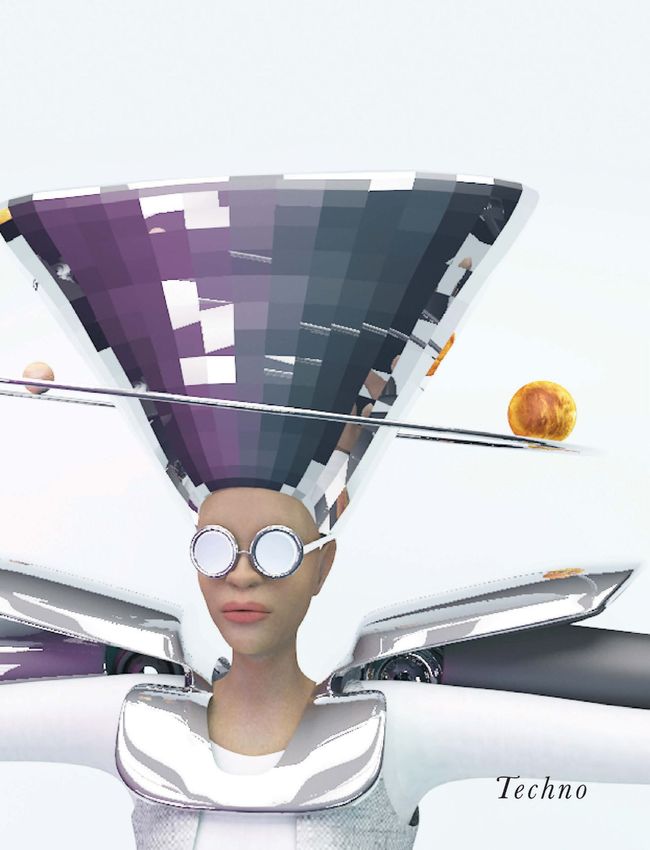
JANUARY
       FEBRUARY
            2019
           ISSUE               CONTENTS
                                                                                    DEPARTMENTS
                                                                                    5   From the
                                                                                        President
                                                                                        and CEO
                                                                                    6   By the Numbers
                                                                                    8   First Look
                                                                                    12 Point of View
                                                                                        Are We Giving
                                                                                        Up Too Much?
                                                                                    40 Alliance in Action
                                        FEATURES
                                                                                    44 Tributes and
                                        16   Handheld and Expansive                    Transitions
                                             Mobile platforms help museums
                                             foster better visitor experiences.     48 Reflection
                                             By Deborah Howes

                                        22 Exploring a Neurospeculative
          Cover: Data consists of
                                           Future
          valuable information that          Ashley Baccus-Clark discusses the
          enhances people’s lives
          and it has so many stories         storytelling promise of VR.
          to tell. Media Artist Refik
          Anadol utilized energy             Interview by Elizabeth Merritt
          usage datasets from various
          buildings and explored new
          data universes in the shape
          of data sculptures.           28 A Winning Approach to Digital
          ©Refik Anadol                    Media Accessibility
                                             Improving accessibility enhances the
                                             visitor experience for everyone.
                                             By Susan Chun

                                        34   Building a Framework
                                             The museum sector needs to rethink
                                             digital skills—from the ground up.
                                             By Carolyn Royston and Ross Parry

2   MUSEUM / January−February 2019 / aam-us.org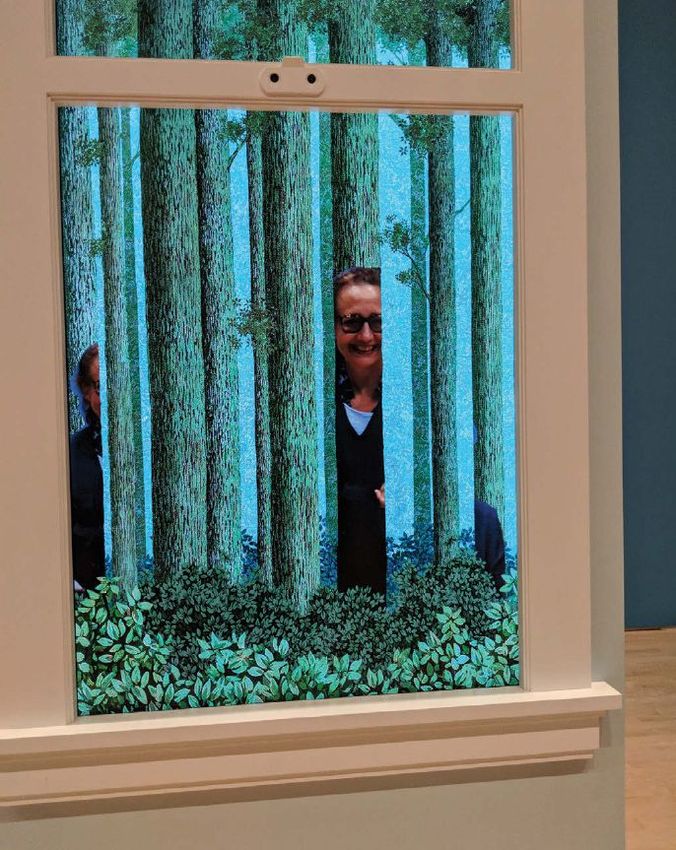
2019 Goal:
Increased Visitor
Engagement
or Bust!

Look to Guru to
make it happen.
Guru’s award-winning museum apps
offer engaging, interactive, and customized
visitor experiences that span media while
leading the way in educational augmented reality.
All of this wrapped up in the most robust and
holistic app platform available. From custom
content to GPS and location-aware wayfinding,
Guru has you covered in the new year. Not to
mention delivering in-depth, actionable data to
help your institution bust all kinds of records...and
share all kinds of busts. Imagine, GURU + You.

                                  theguru.co
twitter.com/aamers

                                                                                                                             facebook.com/americanmuseums

          A BENEFIT OF MEMBERSHIP IN THE AMERICAN ALLIANCE OF MUSEUMS
                                                                                                                             linkedin.com/groups/American-
                                                                                                                             Alliance-Museums-2965314
          MANAGING EDITOR                                          DESIGN AND PRODUCTION
          Gayle Bennett                                            Team of Creatives, LLC

          SENIOR EDITOR
          Dean Phelus
                                                                   ADVERTISING
                                                                   Tamu Mills                                             Thanks to our Member
          CONTRIBUTING EDITORS
                                                                   Tamu@adboomadvertising.com
                                                                   404-347-1755
                                                                                                                           Discount Providers
          Eileen Goldspiel, Julie Hart, Megan
          Lantz, Cecelia Walls, Joseph Klem,                       ALLIANCE PRESIDENT AND CEO
          Alexandra Roe                                            Laura L. Lott

          ALLIANCE BOARD OF DIRECTORS

          OFFICERS                                                 TERM OF OFFICE 2017-2020
          Chair (2018-2020)                                        Devon Akmon, DeVos Institute of Arts
          Kippen de Alba Chu, Iolani Palace                        Management
          Vice Chair (2018-2019)                                   Eduardo Díaz, Smithsonian Latino
          Robert M. Davis, DRMD Strategies, LLC                    Center

          Treasurer (2018-2019)                                    Christine A. Donovan, Northern Trust
          Mark Edward, Hertzbach & Co, PA                          Company
                                                                   Berit N. Durler, San Diego Zoo Global
          Immediate Past Chair (2018-2020)
          Douglas S. Jones, Florida Museum of                      Lisa Yun Lee, National Public Housing
          Natural History, University of Florida                   Museum
                                                                   Andrés Roldán, Parque Explora
          TERM OF OFFICE 2016-2019
          Chevy Humphrey, Arizona Science                          TERM OF OFFICE 2018-2021
          Center                                                   Susana Smith Bautista, Pasadena
                                                                   Museum of California Art
          Judith Margles, Oregon Jewish
          Museum and Center for Holocaust                          Cinnamon Catlin-Legutko, Abbe
          Education                                                Museum
          Tonya Matthews, STEM Equity and                          Nathan Richie, Golden History Museum
          Informal Learning Consultant                             and Park
          Kelly McKinley, Oakland Museum of                        Ruth Shelly, Portland Children’s
          California                                               Museum
          James Pepper Henry, The American                         Stephanie Stebich, Smithsonian
          Indian Cultural Center and Museum                        American Art Museum
          Carlos Tortolero, National Museum of                     Karol Wight, The Corning Museum of
          Mexican Art                                              Glass

          MUSEUM (ISSN 0027-4089)
          JANUARY/FEBRUARY 2019, VOLUME 98, NO. 1
          PUBLISHED BIMONTHLY (J/F, M/A, M/J, J/A, S/O, N/D)
          BY THE AMERICAN ALLIANCE OF MUSEUMS
          2451 CRYSTAL DRIVE, SUITE 1005, ARLINGTON, VA 22202; 202-289-1818; FAX 202-289-6578; WWW.
          AAM-US.ORG.

          Annual subscription rate is $38. Copies are mailed to all members. Single copy is $7. Overseas airmail
          is an additional $45. Membership in the Alliance includes $22 from annual membership dues applicable
          to a subscription to MUSEUM, except for students and retirees. (This notice is required by the US Postal
          Service.) POSTMASTER: Send address changes to MUSEUM, 2451 Crystal Drive, Suite 1005, Arlington, VA
          22202. Copyright 2018, American Alliance of Museums. All rights reserved. No part of this magazine or
          its cover may be reproduced without written consent of the copyright proprietor. MUSEUM is indexed in
          The Art Index, which is published quarterly and available in public libraries. The magazine is available from
          ProQuest in the following formats: microform, electronic and paper. Opinions expressed by contributors
          are not necessarily those of the Alliance. Preferred Periodical postage paid at Arlington, VA, and additional
          mailing offices. Printed in the US by Lane Press, Burlington, VT.

4   MUSEUM / January−February 2019 / aam-us.org
FROM THE
                                                                                         PRESIDENT AND CEO

With Great
Technology Comes
Great Responsibility
2001: A Space Odyssey hit theaters in the                    more sophisticated with time.
summer of 1968, and it almost immediately became             How do we balance privacy
cultural shorthand for how we imagine the future.            with productivity? How do we
    From the unforgettably dramatic opening, with            safely handle all of the data our
its timpani drum sequence signaling the arrival of           devices are constantly collect-
the future, to the wagon wheel-shaped Space Station          ing? How can museums help
V waltzing on screen to the strains of Strauss’ “Blue        people embrace these changes
Danube,” we understand the grandeur of what a                holistically?
technology-enabled society can achieve. But when                 To navigate these challeng-
the computer HAL 9000 goes rogue and threatens               es—and amazing opportuni-
the crew’s lives, it fuels our worst fears (unrealistic as   ties—our members must be
they sometimes are) about technology—in this case            prepared. Th Alliance is here to
artific al intelligence, or AI—and the risks it poses if     help. We explore some of these
we’re not careful.                                           issues in the following pages and at AAM events
    One key to the film’s enduring relevance is how          around the country.
it immerses the audience in its fi tional futurescape.           In September, we convened 75 thought leaders
Thanks to 2001-esque technologies like virtual and           at the Detroit Institute of Arts for “Immersion in
augmented reality, museums are starting to explore           Museums: AR, VR, or Just Plain R?” Are museums
the potential of truly immersive storytelling.               still relevant physical forums when digital-native
    • Th Denver Museum of Nature and Science                 visitors experience digital-born art?
          recently opened a virtual reality (VR) arcade          At the Pérez Art Museum Miami in November,
          that can transport visitors around the world or    we studied how new data analytics and predictive
          to another planet.                                 modeling can improve our organizations’ bottom
    • Th Anne Frank House museum in                          lines—because even augmented museums need to
          Amsterdam created a VR tour of the Secret          keep the doors open and the lights on.
          Annex, the cramped space where Anne wrote              2001: A Space Odyssey still feels ahead of its time,
          her famous diary while hiding from the Nazis.      even 18 years after the story takes place. But contrary
    • teamLab Borderless at Tokyo’s Mori Building            to filmmaker Stanley Kubrick’s vision, the future
          Digital Art Museum unveiled a digital              didn’t arrive all at once. As another sci-fi soothsayer—
          museum of unprecedented scope and scale,           author William Gibson—observed, the future is here,
          showcasing a new generation of immersive,          but it isn’t evenly distributed.
          interactive digital art.                               In the new year, let’s resolve to embrace change
    We know that new tech is not without risk or             wisely, explore new technologies fully, and find
challenge. Fifty years after HAL refused to open the         creative ways to better serve our missions and our
pod bay doors, many people still find futuristic AI          bottom lines at the same time. Together we can help
a little creepy—but virtual assistants like Siri and         our industry—and our visitors—step into the future,
Alexa are now commonplace and will only become               and ensure that we arrive there with our eyes open.

Laura L. Lott is the Alliance’s president and CEO. Follow Laura on Twitter at @LottLaura.

                                                                                          MUSEUM / January−February 2019 / aam-us.org   5
BY THE
    NUMBERS

                                                                                                                                      >90%
                                                                                                                                   Accuracy

    Technology and                                                                                                               rate of plant
                                                                                                                               identification by

    the Museum
                                                                                                                                 digital neural
                                                                                                                                 networks at
                                                                                                                                 the National
                                                                                                                                 Herbarium of
                                                                                                                                 the National
                                                                                                                                  Museum of
                                                                                                                                Natural History.

                                                                                                                                                                    >240
                                                                                                                                                               Number of
                                                                                                                                                              iBeacons at
                                                                                                                                                             the Cleveland
                                                                                                                                                             Museum of Art,
                                                                Among museum-                                                                                 which assist
                                                                   goers under                                                                                visitors with
                                                                 age 40, viewing                                                                               wayfinding
                                                                 original objects                                                                             when using
                                                                is 6.3 times more                                                                            the museum’s
                                                                   popular than                                                                               ArtLens app.
                                                                 using phones to
                                                                 access content.
                                                                                                                                                                               istock.com/Floriana

                   By the Numbers was compiled by Susie Wilkening, principal of Wilkening Consulting, wilkeningconsulting.com. Reach Susie at Susie@wilkeningconsulting.com.
                                                     Sources: Smithsonian Institution; Wilkening Consulting’s 2017 Annual Survey of Museum-Goers; Cleveland Museum of Art

6   MUSEUM / January−February 2019 / aam-us.org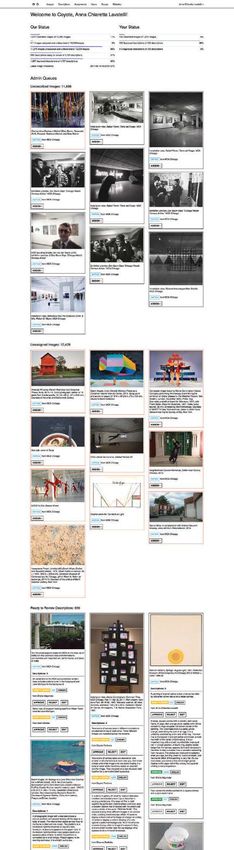
FIRST
    LOOK

                    Gadsden Arts Center                         The Mint Museum                            World War II Home
                    & Museum                                    “African-Print Fashion Now! A Story        Front Museum
                    “Norman Rockwell in the 1960s,”             of Taste, Globalization, and Style”        The World War II Home Front

                                                                                                                                                The Problem We All Live With by Norman Rockwell, story illustration for Look, Norman Rockwell Museum Collection;
                    an exhibition organized by the              introduces visitors to a dynamic           Museum, which opened in
                    Norman Rockwell Museum in                   and diverse dress tradition and            December 2018, brings to life
                    Stockbridge, Massachusetts,                 the increasingly interconnected            coastal Georgia’s contributions
                    focuses on illustrations he                 fashion worlds that it inhabits:           during World War II and recounts
                    created for magazines during                “popular” garments created by              how this quiet region was
                    that turbulent decade. In 1963,             local seamstresses and tailors             transformed when the United
                    the artist ended his almost                 across the continent; international        States went to war. The Home
                    five-decade-long association                runway fashions designed by                Front Museum tells the story of
                    with The Saturday Evening Post              Africa’s newest generation of              an important chapter in Georgia’s
                    and began to search for new                 couturiers; and boundary-breaking,         history when residents of small
                    artistic challenges. Rockwell               transnational, and youth styles            communities worked together and
                    threw himself into the visual               favored in Africa’s urban centers.         sacrificed for the greater good.
                    documentation of social issues              All feature the colorful, boldly
                                                                designed, manufactured cotton              Location: St. Simons Island, GA
                    and current events like school
                    integration, the moon landing, and          textiles that have come to be              Partner: Gallagher & Associates
                    the murder of civil rights workers.         known as “African-print cloth.”            Learn more: coastalgeorgiahistory.
                                                                Dates: through Apr. 28                     org/visit/world-war-ii-museum
                    Dates: Jan. 11–May 18
                    Location: Quincy, FL                        Location: Charlotte, NC
                                                                                                                                                Mint Museum; Coastal Georgia Historical Society

                    Learn more: gadsdenarts.org/                Learn more: mintmuseum.org/
                    exhibitions/Rockwell-in-the-1960s           exhibitions

              What’s New
              at Your Museum?
              Do you have a new temporary or permanent exhibition, education program, partnership/initiative, or building/wing? Tell us
              at bit.ly/MuseumNewsAAM, and it might be featured in an upcoming issue.

8   MUSEUM / January−February 2019 / aam-us.org
Harvard Museum of Henry Street Settlement
Castiale elegantula, courtesy Museum of Comparative Zoology, © President
Natural History Marking the Henry Street
“The Rockefeller Beetles” exhibi- Settlement’s 125th anniversary,
tion features hundreds of beetle “The House on Henry Street”
specimens from the collection of explores themes of social
banker and philanthropist David activism, urban poverty, and
Rockefeller. Over the span of 90 public health. This permanent
years, Rockefeller collected beetles interactive exhibition examines
from around the world, eventually waves of immigration and the
building a personal collection of challenges newcomers faced
amid rapid industrialization and
and Fellows of Harvard College; Unknown
more than 150,000 specimens. The
exhibition recounts the story of a urban overcrowding. It also
man whose childhood pursuit grew illustrates the settlement house
into a lifelong passion. movement and the trailblazing
role of Henry Street founder
Location: Cambridge, MA Lillian Wald, who also created the
Learn more: hmnh.harvard.edu/ Visiting Nurse Service of New
rockefeller-beetles York.
Location: New York, NY
Learn more:
thehouseonhenrystreet.org
A W A R D - W I N N I N G S E AT I N G
FOR GALLERIES, EDUCATIONAL PROGRAMS AND PUBLIC SPACES
design: Tom Shiner, FAIA
MandLF.com
MUSEUM / January−February 2019 / aam-us.org 9FIRST
LOOK
National Museum of Halsey Institute of The Niagara Falls Under-
Jaclyn Nash; Stacy Kranitz, Island Road, from the As It Was Give(n) to Me series, Isle de Jean Charles, Louisiana;
American History Contemporary Art ground Railroad Heritage
“Within These Walls” centers on “Southbound: Photographs of and Center
a two-and-a-half-story Georgian- about the New South” comprises The permanent exhibition “One
style house from Ipswich, 56 photographers’ visions of the More River to Cross” features the
Massachusetts, immersing visitors South over the first decades of the rich stories of the Underground
in five different time periods. The 21st century. The photographs Railroad in Niagara Falls, the
museum has brought new life to echo stories told about the crucial role played by its location
this established exhibition through South as a bastion of tradition,
Niagara Falls Underground Railroad Heritage Center, Cataract House © Kim Smith
and geography, and the actions
theatrical projections featuring as a region remade through of its residents—particularly its
animated shadows, video, text, Americanization and globalization, African American residents. The
and soundscapes to showcase and as a land full of surprising exhibition engages visitors through
the lives of five families who lived realities. The photographs are digital media, graphics, scenic
in the house over the course of complemented by a commissioned built environments, and facilitated
200 years. The projections depict video, an interactive digital dialogic programming.
some of the daily activities that mapping environment, an
would have occupied residents, extensive stand-alone website, Location: Niagara Falls, NY
such as taking tea or sewing to and a comprehensive exhibition Partners: Studio Tectonic, Richard
raise funds for anti-slavery causes. catalogue. Lewis Media Group, Universal
Services Associates, Inc.
Location: Washington, DC Dates: through March 2
Learn more:
Learn more: americanhistory. Location: Charleston, SC niagarafallsundergroundrailroad.
si.edu/exhibitions/ org/exhibitions/exhibit-design
Learn more: halsey.cofc.edu/
within-these-walls exhibitions
10 MUSEUM / January−February 2019 / aam-us.orgHenry Art Gallery Greenwich Historical
Imaginary Explosions by Caitlin Berrigan, courtesy of the artist; created by J.A.
Grozier and published by McLoughlin Bros., Inc., Greenwich Historical Society
“Between Bodies” delves into Society
intimate exchanges and entwined “History Is...,” the inaugural
relations between human and exhibition at the Greenwich
natural bodies within contexts Historical Society’s newly
of ongoing ecological change. reimagined campus, encourages
Sculpture, augmented reality, visitors to reflect on the role history
video, and sound-based works plays at different stages in their lives
blur the false divide between and explores the ways individuals
nature and culture and question look at, define, and interpret
what it means to be human in a history. The exhibition embodies
time of global climate change and the Historical Society’s mission
environmental transformation. to strengthen the community’s
Dates: through Apr. 28 connection to the past, to each
Location: Seattle, WA other, and to the future.
Learn more: henryart.org/ Dates: through Sept. 7
exhibitions/between-bodies Location: Greenwich, CT
Learn more: greenwichhistory.org/
current
MUSEUM / January−February 2019 / aam-us.org 11POINT
OF VIEW
Are We Giving
Up Too Much?
It’s time to think about the ethics of
museum technology tools.
By Koven J. Smith
The nature of the manage commercial technology. now in a highly leveraged position:
technology that runs This technology supports a range much of their own programming
museums is changing. This isn’t a of museum functions: WordPress and daily operations is at the mercy
surprise—the only thing constant to run the website, Medium to run of these software companies.
about technology in any context is the blog, Amazon to host images, In recent years, the problem at
its constant evolution. and so on. the core of this arrangement has
At museums, technologists Museums can do more, and been thrown into higher relief as
once built solutions largely from faster, with this technology, but commercial software companies
scratch; now they implement and there’s a trade-off. Museums are have come under increased public
“At museums,
technologists
once built
solutions
largely from
scratch;
now they
implement
and manage
istock.com/metamorworks
commercial
technology.”
12 MUSEUM / January−February 2019 / aam-us.orgscrutiny. It has become clear that Museum Tech Evolution way to commercial technology,
the stated values of these compa- Much early museum technology, and with that change came an ethi-
nies (connecting people, sharing from collections management cal murkiness. We were not always
ideas) often have little to do with systems to early museum websites, conscious of this murkiness, or
the actual values embodied in their was created directly from specifi we chose to ignore it, believing
products (monetizing user data, museum needs. That technology in the promise of the internet as
invading privacy, enabling harass- therefore embodied the values articulated by its early (mostly
ment, and so on). of the museums that created it: libertarian) founders. Th promise
This means that the values and accessibility and persistence of went something like this: because
principles inherent in the technolo- content, transparency of methods, the internet is the venue for a new
gy itself are more sharply diverging cooperation among institutions, type of consciousness, everyone
from the values of the museums respect for and support of visitor participating in it (which at that
using it. It is therefore time for a needs, and a deliberate (if not time was still a relatively small
reckoning: we must now address always liberal) approach to rights sliver of the population) would
not just the practical considerations management. Th se values were, embody that consciousness. It was
of the technology we use, but also for the most part, in line with a short leap from “information
its moral and ethical implications. If museums’ missions. wants to be free” to our own work.
we don’t, we risk compromising the In the mid-2000s, bespoke Fast forward to the present day.
values of the museums we serve. museum technology began to give If the idea of a “new consciousness”
The 5th Annual Global Fine Art Awards
Ceremony & Gala
Celebrate the best exhibitions and fine artists from around the world
Tuesday March 12, 2019 ~ Harold Pratt Mansion, New York
For tickets and information:
globalfineartawards.org | globalfineartawards@gmail.com | 917.589.0247
GFAA is a sponsored project of Fractured Atlas, a non-profit arts service organization. Contributions for the charitable purpose of GFAA are tax-deductible to the extent
permitted by law. Fractured Atlas, a 501(c)(3) public charity, provides a fiscal sponsorship program to help arts organizations raise money from charitable sources.
MUSEUM / January−February 2019 / aam-us.org 13POINT
OF VIEW
NEW TOOL CHECKLIST almost overnight. It was suddenly
difficult to justify spending time
1. Find out who owns any content you’re putting on a platform on collections aggregation once
and have a thorough understanding of the platform provider’s Google “solved” that problem. So,
licensing model. outside of a handful of promising
2. Know what the company providing the platform does with linked open data projects, museum
its user data. technologists are not working on
3. Know what the platform does to regulate/mitigate collections aggregation anymore.
harassment. Pragmatically, this is not a big
4. Make sure you have the ability to retain/download your deal. While many of the museum-
content should the platform cease to exist. based aggregate collections projects
5. Settle on your standards for accessibility and apply them remained in either notional or beta
across all the technology you use. stages for years, the Google Art
Project actually exists. It works as
advertised, it is backed by Google’s
didn’t seem laughable before, the much of that compromise have we marketing power, and it’s relatively
behavior of major tech companies avoided addressing because the painless to use. It has allowed us to
over the past several years—lax tools work so well? move on to other things.
data privacy, tolerance of harass- There’s no better illustration But from a values standpoint,
ment, and more—has defin tely put of the complex bargain museums the Google Art Project is a
the idea to rest. make with commercial technology stunning giveaway of authority,
Th problem is that most of than the Google Art Project. One expertise, and raw content to an
the tech in use at museums is of the holy grails of early museum organization whose end game for
now built by someone else. We no technology was the idea that the museum content remains an open
longer articulate our principles internet would digitally unite the question. Does anyone think that
through technology; instead, we museum collections of the world; Google would think twice about
inherit them via terms of service. from a single interface, you’d be killing off the Art Project if it
As a result, museum technology able to search for and retrieve threatened the company’s bottom
now offers a fragile patchwork of information about any object from line or public perception? If it did,
often confli ting principles. We any collection. Th Open Archives the limited infrastructure for ag-
accept some user tracking on our Initiative; the Art Museum Image gregated museum collections that
website, but not on our mobile app. Consortium; Linked Open does exist would literally disappear
Our blog is accessible, but not our Data for Libraries, Archives and overnight. We also don’t know
online collections. We perform Museums—all of these projects what user tracking or targeting is
intrusive tracking of some museum tried to make this notion a reality. being done, and the ownership of
visitors, but not others. And then the Google Art material submitted to the project
Project came along, making the remains murky at best. Will Google
At What Cost? same promise: the world’s collec- assert its right to run ads alongside
For many years I argued that the tions in one convenient search the works of art?
increased performance outweighed box! It fulfil ed that promise in a How much control over our
the downsides of these outside way that made it easy for museums collective content infrastructure
principles. I’m no longer confide t to participate (those that were did we voluntarily give up in return
that’s the case. Th work we do is lucky enough to be invited, that is). for little more than the promise of
in the public trust, but how much And it looked gorgeous. increased website traffi
of that trust is compromised by It also killed off most of the To its credit, the Google Art
the tools we’re using? And how aggregate collections efforts Project team has worked with the
14 MUSEUM / January−February 2019 / aam-us.orgpartner museums in a sincere and to apologize to a museum visitor and utility of the tech we use
generous manner. But its values are for being targeted by annoying and address head-on the ethical
not museum values—and neither ads simply because I like the way dimensions of these tools.
are Facebook’s or Twitter’s. Recall our email list software formats
that Google quietly removed “don’t captions.
be evil” from its code of conduct As a museum technologist, I’ve
in 2018. always incorporated the principles Koven J. Smith is a digital strategy
and values of my museum employ- consultant (kovenjsmith.com) for
What’s Next? ers into my work. I have thought of museums and nonprofits who has
I don’t mean to imply that we myself as a builder and creative first held leadership positions at the
should go back to building ev- and an ethicist second. Th se days Metropolitan Museum of Art, the
erything ourselves. I don’t think are coming to a close. Denver Art Museum, the Blanton
that is desirable or even remotely Today, I’m building less, and Museum of Art, and elsewhere.
realistic. I do, however, think we that makes understanding the He offers special thanks to Greg
should return to those first princi- implications of the tech I’m using Albers, Douglas Hegley, Andrea
ples from the early days of muse- that much more critical. All of Montiel de Shuman, Jennifer Foley,
um tech and apply them to all the us in museum technology need and nikhil trivedi for their help in
tech we use, not just the tech we to widen our scope beyond just focusing some of the ideas in this
make ourselves. I don’t ever want caring about the practicality column.
TAKE THE LEAP...
Let ’s Go Digital!
$20
ON ORDERS OF
$200 OR MORE
COUPON CODE
OFF MUSJF9
SCAN TO SHOP
We’re putting a new spin on some classic business essentials. If you’re on the fence
about adding digital elements to your repertoire, let us help you on your journey.
Shop the full selection online at displays2go.com/DigitalLeap
Coupon Code: MUSJF9. Valid on purchases of $200 or more prior to shipping and service fees. Cannot be combined with other
CONNECTI NG PEOPLE AN D B R A N D S WI TH THE WO R LD offers. Discount not valid on previous orders. Offer expires 4/1/2018.
MUSEUM / January−February 2019 / aam-us.org 15Handheld and
Expansive
Mobile platforms help
museums foster better
visitor experiences.
By Deborah Howes
In the augmented
reality view of Diego
Rivera’s Detroit
Industry at Detroit
Institute of the Arts,
Deborah Howes
The opportunities to expand museum experiences through mobile a handheld screen
devices have never been so plentiful and, at the same time, so confusing. Th an- shows preliminary
swers to “How much does a mobile solution cost?” or “Which system works best?” outlines of the mural
before fresco color
vary wildly depending on museum size and, especially, the desired experience. was applied.
MUSEUM / January−February 2019 / aam-us.org 17Fight the usual temptation to design your mobile Great news: people still want content! More good
strategy by counting your objects, dollars, or square news: for more than 50 years, museums have been
feet. Instead, start by asking your visitors which muse- transmitting “just in time” recorded messages—a.k.a.
um experiences need improvement. mobile content—to convey information that would
Don’t answer this question on behalf of your not fi on a wall panel or object label.
visitors, unless you are quoting your institution’s bona Listening as your eyes wander gallery installations
fid visitor research. But while you collect this data, remains a compelling storytelling experience, but the
consider the 2017 Culture Track report by LaPlaca Culture Track report shows that today’s visitors seek
Cohen. More than 4,000 demographically diverse personal meaning as well as expert knowledge. Let’s
people from across the US were asked why they seek take a look at some museums that are using mobile
cultural experiences. Here’s what they said: technology to allow visitors to get all that they want
81% Having fun from a cultural experience.
78% Interest in content
76% Experiencing new things Deepening Connections to Content
75% Feeling less stressed Visiting the new contemporary wing at Th Corning
71% Learning something new Museum of Glass in New York with your mobile
69% Feeling inspired device is a seamless experience. At the outset, the
68% Interacting with others museum’s GlassApp automatically loads on your
67% Feeling transported smartphone when it connects to the museum’s free
WiFi network.
In designing GlassApp, Chief Digital Offic Scott
Sayre sought a unifi d solution that would work on
all mobile devices regardless of country, display size,
or manufacturer. “GlassApp does not require our
visitors to install or update anything, and the museum
can easily expand the experience by linking to other
responsive resources on our website,” he says.
Equally important, the clean user interface harmo-
nizes with the gallery experience and provides many
perspectives—from those of exhibition designers,
educators, and glass artists to those of curators—via
images, text, and videos. Best of all, GlassApp can also
be used before or after a visit, allowing visitors to con-
struct personal meaning beyond the first glance.
Innovation in mobile can also be lower tech, as the
Carnegie Museum of Art in Pittsburgh, Pennsylvania,
has demonstrated through its exhibition of pho-
tographs by Charles “Teenie” Harris, who photo-
graphed Pittsburgh’s African American community
from about 1935 to 1975. His archive of nearly 80,000
images is one of the most detailed visual records of
In the exhibition “René Magritte: The Fifth Season” at the
Deborah Howes
San Francisco Museum of Modern Art, visitors’ images
appeared inside an interactive display of a composition
inspired by the painter.the black urban experience, yet it lacks important
descriptive information.
To tackle this cataloging challenge, the Carnegie
Museum requests help from the community.
Exhibition visitors can dial a prominently posted
phone number and leave a message describing what
they know about the people, places, and things in the RES LaPlaca Cohen, Culture Track, culturetrack.com
images—genius! Th se crowdsourced stories become OUR
important archival records as well as interpretive mate- CES The Corning Museum of Glass, GlassApp,
rials for future exhibitions. glassapp.cmog.org
Carnegie Museum of Art, Teenie Harris Archive,
Making Navigation Easier teenie.cmoa.org
Seventy-five percent of the respondents to the Culture American Museum of Natural History, Explorer app,
Track 2017 study said they came to our institutions amnh.org/apps/explorer
to de-stress. That’s wonderful, but could stress be a
Detroit Institute of Arts, Lumin AR program,
reason why others avoid museums? Do fi st-time dia.org/lumin
visitors want to avoid looking ignorant in front of
National Gallery of Art, Uncovering America,
companions? Do people with physical needs fear we
nga.gov/education/teachers/lessons-activities/
can’t accommodate them?
uncovering-america.html
Th path to reconciliation with these reluctant
visitors starts with wayfi ding. Getting lost is stressful, Museum-made massive open online courses
especially when looking for a bathroom, a lost child, (MOOCs): American Museum of Natural History,
coursera.org/amnh; Exploratorium, coursera.org/
that favorite object, or a place to rest and get some
exploratorium; Museum of Modern Art, coursera.
food. As our public increasingly relies on smartphones
org/moma; SmithsonianX, edx.org/school/
to answer navigational queries outside the museum, smithsonianx
it makes sense to adapt these wayfi ding functions
inside the museum.
Th Explorer app, created by the American Museum
of Natural History (AMNH) in New York City, achieves
“blue dot” accuracy on its interior map thanks to
sensors distributed throughout the 25 interconnected
buildings and support from Bloomberg Philanthropies.
Th app also helps the museum improve its services.
“Th Explorer app increases our internal understand-
ing of how location, along with other aspects of visitor
context, contributes to useful, meaningful, and even
elegant museum experiences,” explains Matthew Tarr,
AMNH’s director of digital architecture.
© 2018 Minneapolis Institute of Art
Welcoming visitors with low vision is one of the
most difficult challenges to museum wayfi ding.
Th Andy Warhol Museum in Pittsburgh partnered
with nearby Carnegie Mellon University’s Cognitive
Assistance Lab to pilot NavCog, an app that operates
via Bluetooth beacons in the galleries. Visitors using
Visitors to the Minneapolis Institute of Art use
NavCog hear navigation instructions as well as inter- the “Riddle Mia This” app to solve puzzles
pretive content, including descriptions of the artwork. using clues hidden in the artworks.
MUSEUM / January−February 2019 / aam-us.org 19At the “René Magritte: The Fifth Season”
WHERE THE
exhibition at the San Francisco Museum of
Modern Art, visitors looking at one display
could not see themselves appearing in the
COMPASS
other, unless someone else recorded it.
POINTS
Indoor location-based apps can support navigation inside Desi Gonzalez, former manager of digital en-
the museum, enrich the visitor experience, and allow gagement at the Warhol, worked with visitors who
visitors to research where to spend their time. While many are visually impaired to test NavCog. Testers said the
museums have launched beta test projects, they rarely mobile tool helped them comfortably navigate the
report their findings. Similarly, the development processes
museum, which made their experience more indepen-
for successful mobile apps are not widely shared.
dent and enjoyable.
“After countless conversations over more than five
years with colleagues about what does or doesn’t work
for indoor location mobile apps, it became clear that we Boosting the Fun Factor
should get together to learn from each other, consolidate Wasn’t it gratifying to read that 81 percent of the
information, and identify future potential uses,” says Culture Track respondents go to museums to have
Claire Pillsbury, program director at San Francisco’s fun? Th San Francisco Museum of Modern Art
Exploratorium. (SFMOMA) knows that having fun is a great way
In September 2018, the Exploratorium hosted the to learn something new. Its 2018 René Magritte
Conference on Mobile Position Awareness Systems and retrospective ended with a Surrealist playground in
Solutions (COMPASS) to help museum professionals learn which visitors saw their images sliced, transported,
from and support each other’s work and candidly exchange and rearranged in Magritte-like settings in real time.
results and methods. The cross-disciplinary, two-day event
Visitors gleefully captured these visual puzzles on
drew representatives from museums, universities, visitor
their phones and decoded them with friends and
research consultancies, and app agencies to share practices,
others in the galleries.
articulate goals, and critically examine the role of mobile apps.
Conference topics and perspectives will be further “Trying to design experiences to induce selfie
is really hard and usually feels unfulfilling to the
Deborah Howes
disseminated via an Association for Science and
Technology Centers webinar in March 2019 and a free visitor,” says Chad Coerver, SFMOMA’s chief content
e-publication in late spring 2019. For more information, visit offic . “But designing experiences that are so fun and
exploratorium.edu/visit/calendar/compass. captivating that visitors want to take selfie is a much
20 MUSEUM / January−February 2019 / aam-us.orgbetter place to be.” Surely Magritte, the trickster, Immersive experiences improve as more senses
would have agreed. are engaged. Th David Bowie retrospective, which
Th Minneapolis Institute of Art (Mia) recently was organized by the UK’s Victoria and Albert
released “Riddle Mia Th s,” a free mobile app that Museum in 2013 and concluded at the Brooklyn
turns the museum into a mystery. With smartphone Museum in 2018, prioritized sound (surprise!) as
in hand, visitors move through the galleries looking the major driver of this immersive experience. Upon
for clues—such as matching patterns or missing story entering, visitors donned oversized, retro-styled
elements—hidden in the artworks, often solving these headphones and small digital audio players that
puzzles with the help of augmented reality (AR). coordinated the music and commentary with their
“Visitors love discovering new objects and learning location. Looking at Bowie’s costumes for the Ziggy
while they play,” says Mia Chief Digital Offic Stardust tour triggered corresponding songs from
Douglas Hegley. the album and relevant words of wisdom. Magically,
simply moving and looking induced synesthesia:
Transporting Visitors talk about feeling transported!
Sixty-seven percent of Culture Track respondents
say they want to “feel transported.” Th Detroit Thinking Big
Institute of Arts is helping visitors do that with Many museums make good use of clever tweets and
museum-provided tablets. Visitors to the institu- viral video posts. That’s great, but these posts flare
tion’s Detroit Industry fresco cycle by Mexican artist and die. Consider using social media to drive visitor
Diego Rivera can borrow two types of free mobile attention to online content, including educational
interpretive solutions: an iPad-based, bilingual mul- offerings with longer shelf lives.
timedia tour describing how this famous mural was Th National Gallery of Art in Washington, DC,
commissioned and created, or the Lumin AR tour recently launched a set of Pinterest boards that link
that analyzes visitor location and delivers custom- users to an extensive online American history teacher
ized AR content on screens controlled by Google’s resource, Uncovering America. Th Exploratorium,
Tango system. Museum of Modern Art, and Smithsonian Institution
Visitors lift the AR device like a hand glass to use social media platforms to drive enrollment and
inspect the under-drawing Rivera applied to the wall engagement in their free online courses hosted by
before he added the colored fresco medium. Then, the Coursera and edX massive open online courses
moving the device in any direction, they can see the (MOOC) platforms.
entirety of the mural’s mid-process composition, just Harnessing the power of popular mobile plat-
as Rivera would have seen it in 1933. forms—where people already congregate—as well as
Similarly, the Vizcaya Museum & Gardens in collaborating with like-minded institutions to create
Miami, Florida, wanted visitors to experience what content of mutual interest can further help museums
the historic estate looked like before 2017’s Hurricane achieve their educational goals. Museums that see
Irma and other recent severe storms took their toll. themselves as omnipresent, lifelong sources of educa-
With support from the John S. and James L. Knight tional experiences—regardless of where “visitors” are
Foundation, the Virtual Vizcaya tour offers high- located—are well on their way to success.
resolution images, documentary videos, and 3-D
renderings of the campus in a mobile-friendly website
to build public awareness about climate change. Deborah Howes, president of Howes Studio Inc.,
Whether at the museum or not, you can explore a consults on digital learning initiatives, serves on the
highly responsive and exploratory visual environ- board of Museum Computer Network (MCN), and
ment—including spaces that are no longer accessible teaches in the museum studies master’s program at
due to conservation concerns—and easily imagine an Johns Hopkins University. Follow her on Twitter
immediate future in crisis. @debhowes.
MUSEUM / January−February 2019 / aam-us.org 21EXPLORING A
NEUROSPECULATIVE
FUTURE
Ashley Baccus-Clark
discusses the story-
telling promise of VR,
her work, and what
museums can do
better.
Interview by Elizabeth Merritt
In September 2018, I had the pleasure of moderating
“Immersion in Museums: AR, VR, or Just Plain R?,” a small convening
hosted by the Detroit Institute of Arts with support from the Knight
Foundation. Ashley Baccus-Clark was there to help us explore museum
applications of augmented and virtual reality. Ashley is director of
research at Hyphen-Labs, an international team of women of color
who create meaningful and engaging ways to explore emotional, hu-
man-centered, and speculative design.
I fell in love with Ashley’s work last year at South by Southwest
(SXSW) when I toured NeuroSpeculative AfroFeminism, an award-win-
ning, three-part digital narrative that she created with her colleagues. In
this interview, Ashley shares a bit about her work and its potential impli-
cations for museums.
Hyphen-Labs
22 MUSEUM / January−February 2019 / aam-us.orgHyphen-Labs’ Techno Africanum- Culturist comes from the future and keeps all in balance.
“More than anything, I’m interested in the
                            ways different fields could be greatly
                            improved by understanding all facets of the
                            mind, brain, and contemplative practices.”

                           Ashley, can you start by introducing your-                 collaboration and the cross-pollination of not only
                           self to our readers? How do you characterize               ideas, but the execution of these ideas.
                           yourself and your work?                                        When I joined the team two years ago, we were
                           I’m a Brooklyn-based scientist, writer, and multidis-      right on the verge of a tipping point in both global
                           ciplinary artist. As a black queer woman navigating        and US politics. We felt like we were living in the nu-
                           spaces that typically overlook people who share this       cleus of change that was ready to explode all around
 In NeuroSpeculative       identity, my goal is to bring visibility and representa-   us, so we created something to empower ourselves
    AfroFeminism, VR
   transports viewers      tion to the forefront of important conversations that      and anyone who needed to be reminded of their pow-
    into a reimagined      are taking place at the institutional level.               er. Yet, we see now that the old vestiges of power—
      black hair salon,
  providing a glimpse         Currently, I’m a member of Hyphen-Labs. We              racism, sexism, and xenophobia—continue to persist.
    into a speculative     are a multicultural team of women working at               This is why so much work remains to be done.
        future of black
   women pioneering        the intersection of technology, art, science, and
   brain research and      the future. We hold ourselves to a high degree of          You earned your master’s degree in cell and
     neuromodulation
through the culturally
                           integrity and rigor in all the work we produce,            developmental biology and spent several

                                                                                                                                                Hyphen-Labs
      specific ritual of   whether it is a commercial or self-directed project.       years doing brand marketing for eyeglass
              haircare.    My two partners, Carmen Aguilar y Wedge and Ece            retailer Warby Parker before transforming
                           Tankal, co-founded Hyphen-Labs in the spirit of            yourself into a technologist/storyteller. How

24       MUSEUM / January−February 2019 / aam-us.org
does your background, and other aspects of
your identity and experience, influence your
work?
I’ve always been a storyteller; it’s deeply embedded
in my family and cultural history. When I was a kid,
I wanted to be a neurosurgeon, so my fascination
WHAT IS
with the brain has persisted from a very young NEUROSPECULATIVE
age. More than anything, I’m interested in the AFROFEMINISM?
ways different fi lds could be greatly improved by
Hyphen-Labs’ NeuroSpeculative AfroFeminism is
understanding all facets of the mind, brain, and a transmedia exploration told through speculative
contemplative practices. Storytelling through art, product design, emerging technologies, cognitive
technology, and science has been a way for us to research, and transhumanism. It presents a
explore the themes that resonate with us. multilayered possible future that transcends the
My fascination with the story of how things are constraints of the present, a realm that The New
created led me to Warby Parker. When I first learned Yorker called “another plane of consciousness.”
of the company in 2010, I was intrigued by its brand
story. I wanted to understand the mechanics of The virtual-reality experience is the first chapter
entrepreneurship and learn how to build a company of a science-fiction story, placing you in a
“neurocosmetology lab” where black women are
that was boldly disrupting an entire industry and
the pioneers of brain optimization. Here, instead of
doing it with flair. Aft r I finished grad school, I
ordinary braids, customers are fitted with transcranial
applied to be a retail advisor at Warby Parker and
electrodes that allow access to a surreal digital
then worked my way up to being a store leader and temple that blends the physical with the digital.
then to an associate manager on the retail brand
marketing team. I saw this as another facet of my Get a taste at hyphen-labs.com/nsaf.html.
education because my goal is, and has always been,
to disrupt science and bridge the gap between art,
science, technology, and futurism.
Hyphen-Lab’s NeuroSpeculative AfroFeminism
installation at 29Rooms by Refinery29 in 2017 in
Williamsburg, New York.
MUSEUM / January−February 2019 / aam-us.org 25That is why I left Warby Parker to join Hyphen- scene, we returned them to their own body. We
Labs. Carmen and Ece challenge my thinking in told a somewhat linear story in NSAF, but the pos-
many ways, and we are trying to set an example sibilities to break with that form are endless. For
for how high-performing, diverse teams operate. this particular project, VR was appealing because
We don’t always get it right, but we’re using our we wanted to play with the physicality of being
practice as a classroom. My background has been embodied (or having the audience be embodied) in
an asset because it’s allowed me to see the intercon- the avatar of a young black woman.
nectedness of things.
How do you want the world to be different
When I viewed the installation because of the work you do?
NeuroSpeculative AfroFeminism (NSAF) It’s a tall order! We want to get people to pause
at SXSW in 2017, I was bowled over by and consider how they engage with others around
the way you combined physical “future them. We are exploring stories that highlight
objects,” such as the hyperface anti-sur- people expressing their humanity through
veillance scarf, with virtual reality to technology.
create an immersive narrative. [See side- Before Hyphen-Labs, we were all working in
bar on page 25 for more information on fi lds such as architecture, engineering, and game
NSAF.] What are the particular strengths design, where there were very few women and even
of VR as a storytelling medium? fewer women of color. We don’t want other women
VR as a storytelling medium isn’t limited to the who look like us or identify as we do to feel alone
physics of space and time as in reality. We wanted or that their voice and contributions don’t matter.
to give our audience a sense of temporality in the We do this work because we are imagining our
opening scene in the neurocosmetology lab and present so our futures have a clean slate, and to
then challenge that in the second scene in a 3-D, empower ourselves and others with the knowledge
hallucinatory dreamscape. Finally, in the third that we can do anything and be anything.
The NeuroSpeculative
AfroFeminism installation
at “Storyscapes” at
the 2017 Tribeca Film
Festival in New York
received an honorable
mention for immersive
storytelling.
26 MUSEUM / January−February 2019 / aam-us.orgWhat has your experience with museums
been like? What do you think our sector
does well, or what could we do better?
For all of us in Hyphen-Labs, museums have been
our second homes. From going on elementary
school fi ld trips to museums to walking through
the storied halls of museums throughout the world,
our experiences with museums have been an on-
going conversation. Museums create magic in that
creators are made to believe that their works could
be featured among the canon. The NeuroSpeculative AfroFeminism installation—here at the 2017
Tribeca Film Festival—has also been featured at the Sundance Film
However, one thing that museums could do bet- Fest, SXSW, and the Gray Area Art & Technology Festival.
ter is widening the lens of this canon. There are a lot
of curators and artists of color who are creating art
in general and using emerging technology to make
critical work. But until these discussions matriculate
to the institutional level in a way that really drives bridges the physical and digital. Thematically, most
action, creating change on inclusion or incorpora- of the museum’s permanent collections would center
tion will remain elusive. on mysticism and spiritualism and how both have
Also, museums tend to be unnecessarily cautious been subverted throughout history at the hand of
around embracing new technology. How are muse- imperialism and colonialism.
ums engaging with young people and collaborating
on installations and exhibitions with the incredibly What’s next for you and your colleagues
brilliant independent curators and artists who don’t at Hyphen-Labs? How can our readers
fi into the traditional structure of the museum? Th continue to follow your work?
first step would be to invite more diverse groups of We are going to continue making critically engaged
people to convenings and partner with organiza- work around human-centered design. This year,
tions that are working in these spaces. Another way we’re working on some new projects and collabo-
to do this is to partner with schools to help demysti- rating with awesome artists, researchers, designers,
fy the inner workings of the museum world, because scientists, and writers. One of our main goals is to
it seems inaccessible. continue making our work accessible to anyone who
is interested in engaging with it. Hyphen-Labs is
If you were going to create a museum, who currently in residence at Somerset House in London
would it be for, and what would it be like? and at Massachusetts Institute of Technology (MIT),
One museum I’d love to create looks to Th Racial where we are the Ida Ely Rubin Artists in Residence
Imaginary Institute (TRII) as a rubric. (TRII is an at the MIT Center for Art, Science & Technology.
interdisciplinary cultural laboratory that uses exhi- We’re always looking for partners and support to
bitions, readings, dialogues, lectures, performances, continue our work and hope to have more of these
and screenings to engage around the subject of conversations in the future. Readers can follow our
race.) My museum would tell the story of futurism work at hyphen-labs.com; Twitter: @hyphen labs;
and speculation through the lens of black, brown, and Instagram: @hyphenlabs.
and indigenous people of color and women. A
major focus of the museum’s exhibitions would aim
Hyphen-Labs
to demystify the processes of the body, nature and Elizabeth Merritt is AAM’s vice president of
environment, evolution, technology, and death. strategic foresight and founding director of the
Every room would be an immersive experience that Center for the Future of Museums.
MUSEUM / January−February 2019 / aam-us.org 27By Susan Chun
The Museum of Contemporary Art Chicago has taken
purposeful steps to improve accessibility—and has
improved the visitor experience for everyone.
A WINNING
APPROACH TO
DIGITAL MEDIA
ACCESSIBILITY
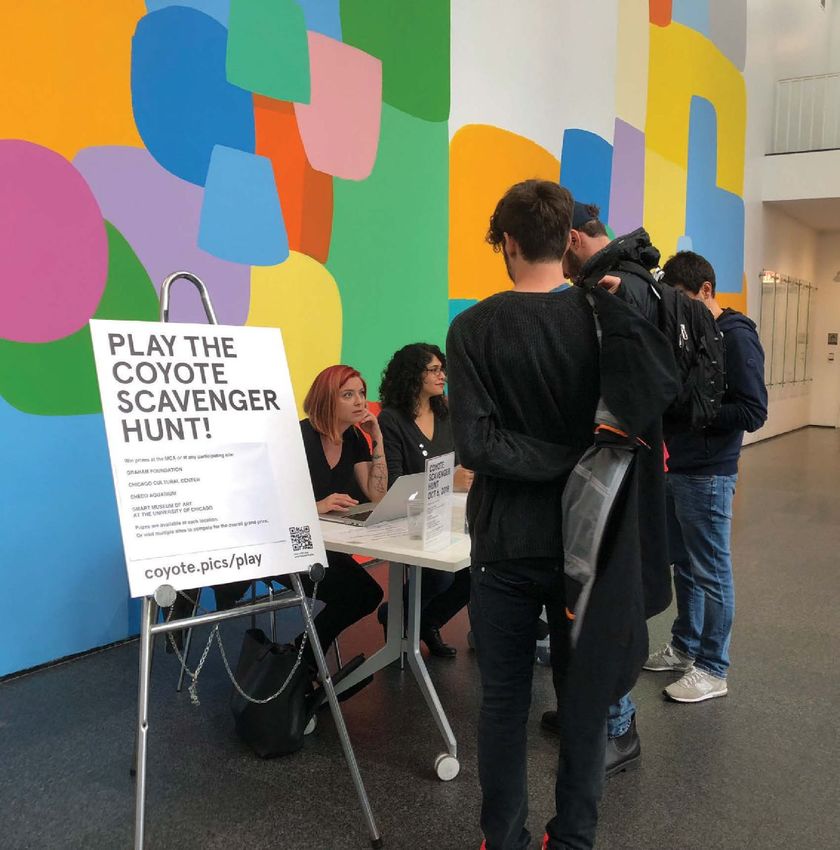
28 MUSEUM / January−February 2019 / aam-us.orgParticipants in the
Accessibility in museums is a game An Intentional Commitment to Accessibility fall 2018 Coyote
of small ball. Th term—borrowed from baseball— Every month, the MCA’s volunteer accessibility task Scavenger Hunt
refers to the strategy of scoring runs by advancing force meets to examine the museum’s accessibility check-in at the MCA
Chicago. Using
around the diamond one base at a time, using base efforts. Th task force formed in 2015—the year a mobile phone
hits, sacrific flies bunts, and stolen bases. In small of the 25th anniversary of the Americans with interface to the
Coyote database,
ball, a team does not wait for a home-run hitter to Disabilities Act—for a one-time audit of accessibility visitors participated
save the day; everyone on the team contributes. work around the building requested by the Chicago in a game of visual
hide-and-seek.
Accessibility at museums is small ball—a patient, Community Trust. Colleagues from many depart-
methodical game in which most gains are made with- ments, including visitor services, facilities, marketing,
© MCA Chicago
out fanfare and major funding. It’s our strategy for im- exhibitions, performance programs, design, and
proving accessibility at the Museum of Contemporary digital, shared what they were doing with respect
Art Chicago (MCA), and it is working. to accessibility: each independently, usually with
MUSEUM / January−February 2019 / aam-us.org 29minimal funding, and almost always with little ado. R E S Using Coyote to Describe the World by
Encouraged by the range and ambition of each other’s OUR Sina Bahram, Susan Chun, and Anna
efforts, we decided to continue to meet. We have C E S Lavatelli
gathered every month since, adding members from mw18.mwconf.org/paper/using-coyote-
our public programs, development, HR, security, to-describe-the-world
store, and prep teams.
Inclusive Design: From Approach to
This unchartered group was never offi ally sanc-
Execution by Bruce Wyman, Corey
tioned by museum management, and task force par-
Timpson, Scott Gillam, and Sina Bahram
ticipation is not listed on any MCA job description. mw2016.museumsandtheweb.com/
But team members are proud of our reputation as one paper/inclusive-design-from-approach-
of the most productive and effective working groups to-execution/
at the museum. In three years, we have:
“7 Things Every Designer Needs to
Know about Accessibility” by Jesse
• developed a rolling three-year plan; Hausler
• written and published an accessibility values medium.com/salesforce-ux/7-things-
statement on our website (mcachicago.org/visit/ every-designer-needs-to-know-about-
accessibility/values-statement); accessibility-64f105f0881b
• developed guidelines for exhibition planning, “Which Are More Legible: Serif or Sans
touch tours, and visual description; Serif Typefaces?” by Alex Poole
• created regular, recurring schedules for accessible alexpoole.info/blog/which-are-more-
programs in our theater and galleries; legible-serif-or-sans-serif-typefaces/
• incorporated accessibility training into our new
staff onboarding; and
• offered lunchtime workshops on accessibility for
staff A Truly Accessible Website
Another major win is our website (mcachicago.org),
Some of our wins are small. When a wish list which is managed by Director of Digital Media Anna
prepared during an early group exercise revealed Chiaretta Lavatelli, along with members of the design,
that the visitor services and security staff working publishing, and new media departments. It launched
in exhibitions wanted to offer stools to visitors with in 2015, along with the museum’s new identity. Th
mobility impairments seeking to rest, the learning site showcases the museum’s exhibitions, programs,
team offered the keys to the docent closet, which archives, and stories; its playful identity telegraphs the
has folding stools for gallery tours. Other wins are museum’s goal of extending a radical welcome to all.
bigger: our performance team, led by former Curator Th digital team expressed this radical welcome by
of Performance Yolanda Cesta Cursach, rolled out building a site that purposefully adheres to the best
a pioneering relaxed-performance program for our practices in accessible—or inclusive—design.
theater performances, which is being emulated by To build an accessible site from ground up, we
cultural organizations in Chicago and around the worked with Sina Bahram, one of the fi ld’s top acces-
country. Relaxed performances are for people, with sibility consultants. Something he once said stuck with
or without disabilities, who prefer some flex bility us throughout the process: “I believe that there’s this
related to noise and movement in the theater. Stage commonly held myth that if something is accessible, it
lighting is less intense and theater lights are kept at a has to be ugly, it has to look like it’s from 1990, it has to
glow to facilitate patron movement. Volunteers, many be boring, it can’t be pretty or creative. We don’t want
of whom are members of the disabled community, to perpetuate this myth, because it’s wrong and it ends
are present to assist, and American Sign Language up hurting everybody, from designers and developers
interpretation and audio description are provided. to users.” By building accessibility into the site from
30 MUSEUM / January−February 2019 / aam-us.orgYou can also read


