STRATEGIC PLAN 2019-2022 - PANDA works each day to provide support, information and hope to
←
→
Page content transcription
If your browser does not render page correctly, please read the page content below
STRATEGIC PLAN
2019-2022
PANDA works each day to provide

support, information and hope to

families across Australia affected

by perinatal m ental i l ln ess.

Perinatal
                         mental illness
                                 is common                                                                               Message from
                                                                                                                         Chair and CEO

                                                                                              PANDA began its life 35 years ago with a dream to make a difference to new mums experiencing postnatal
                                                                                              depression. We have come a long way since those days and each year, we support tens of thousands of families
                                                                                              struggling with their mental health during pregnancy and in the year following the birth of their baby.
                                                                                              We are incredibly proud of the positive impact generated by our services. An independent assessment in 2018
                                                                                              confirmed that our National Helpline delivers $69.8 million in economic benefits per annum from an investment of
                                                                                              $1.4 million. We know that our impact is even bigger as this figure does not include the far reaching benefits from
                                                                                              our full suite of services which together raise awareness, reduce stigma and help families to recover from perinatal
                                                                                              anxiety and depression and postnatal psychosis.
                                                                                              Each year another 100,000 families in Australia will face perinatal mental illness. We still have plenty of work to do
                                                                                              to break down stigma and ensure all families get the help they need in a timely way. This Strategic Plan builds on
                                                              100,000                         the important foundations laid down over many years. It represents a shared vision developed by PANDA’s Board
                                                                                              and management team, with input from our generous stakeholders and our Community Champions who have
                                                                                              experienced the illness.
                                                                                              In 2019 our brief has grown as well as our resources, determination and skill. Our new Strategic Plan acknowledges
                                                                                              PANDA as a credible, capable organisation which effectively represents the experiences of families across Australia
                                                                                              impacted by this common and serious illness. We have strong aspirations to build on our capability, reputation and
                                                                                              broad support base, and leverage our recent accreditation as a mental health provider to further develop our expert
                                                                                              knowledge and ensure best practice.
      As many as 1 in 5 expecting or            Perinatal anxiety and depression affects      Over the coming four years we will:
new mums will experience perinatal anxiety           around   100 0 00 families                   continue to provide our life saving National Helpline and build our online information and support services
              or depression.                           across Australia every year.               support the many health professionals who work with families with perinatal mental illness
                                                                                                  use our expert knowledge of the experience of families across Australia to influence governments, planners and
                                                                                                  health services to provide the best possible responses to families experiencing perinatal mental illness
                                                                                                  commence exciting new work encouraging workplaces to support perinatal mental health and
                                                                                                  continue to amplify the powerful voices of our Community Champions to promote awareness of this illness and
                                                                                                  break down stigma.
                                                                                              PANDA could not do this work without our many supporters – our donors (small and large), our community
                                                                                              fundraisers, our corporate and government funders and most importantly the many, many expecting and new mums
                                                                                              and dads who share their stories with us and allow us to share these with the world. These honest and powerful
                                                                                              stories remind us every day of the importance of our work.
                                                                                              We have a big job ahead of us and we are excited by the challenge and driven to succeed.

Postnatal psychosis affects 1 or 2 new mums                                                                              NICKI BATAGOL                                                    TERRI SMITH
                                              As many as 1 in 10 expecting or new dads will
            in every 1   000 .                 experience perinatal anxiety or depression.                               Chair                                                            CEO
Who is PANDA?
For 35 years PANDA has been supporting individuals and families to recover from
perinatal anxiety and depression, and more recently, postnatal psychosis. During
this time we have helped hundreds of thousands of Australians get much-needed
information, support and treatment to aid their recovery.
PANDA grew from a small community-based organisation with its roots in metropolitan Melbourne, started by a group
of women who had experienced postnatal depression and wanted to assist other mums with the same experience.
Today, as a national organisation, we operate Australia’s only specialist National Helpline to support women, men
and their families affected by perinatal mental illness. Each day we receive calls from right across the country from
expecting and new mums and dads struggling with the transition to becoming parents. Every day those callers are
supported by someone who really understands how they are feeling and who knows how to help them take the first
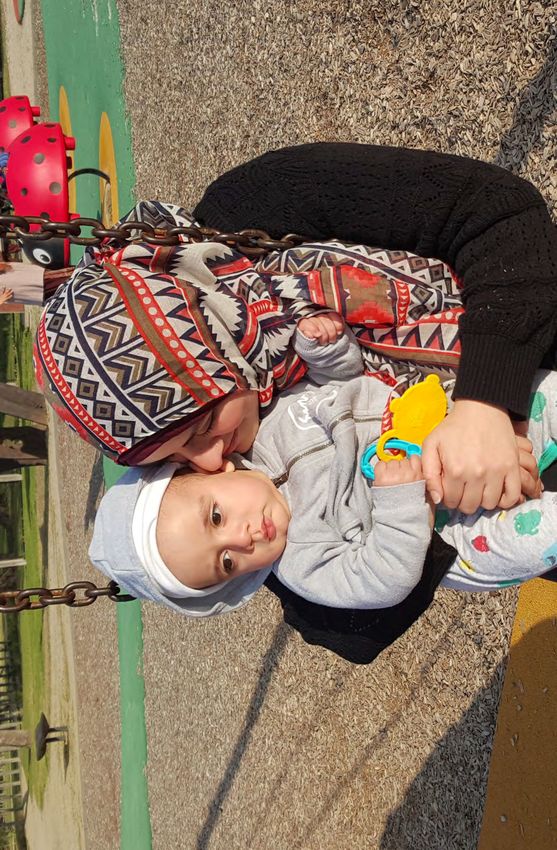
Afaf’s story
CAS E St u dy
steps to recovery.
Through more than 10,000 contacts via our Helpline every year we have built a unique and in-depth understanding
of the experiences of people living with perinatal anxiety and depression and postnatal psychosis. We are committed
to using this specialist expertise to improve the way governments, health providers and family services support
individuals and families.
Afaf’s son’s birth was very traumatic and stressful. Her “I just thought I was going crazy. I started researching
We know that many families still don’t know to look out for the signs of perinatal mental illness – and delayed
husband worked full time, so it was up to Afaf to do online and came across PANDA’s website. I looked at
understanding and treatment cause unnecessary suffering. PANDA is committed to raising community awareness
most of the caring on her own. At the same time she the symptoms of postnatal depression and realised I
about this common and serious illness.
was also struggling with her changed circumstances had nearly all of them. At that point I felt a lot calmer
– no longer working full time and having to care for a as I then knew what was happening, so it felt less We do this through national and local media, whether TV, radio, print or online, and through both national and
baby constantly. scary and confusing.” community-based events. We also create and distribute critical information, resources and stories about perinatal
mental health via PANDA’s websites, social platforms and other channels.
One night when her son was about three months old Things then started improving. Afaf started seeing a
At the centre of all this work are our hundreds of Community Champions who share their own stories of perinatal anxiety
Afaf suddenly woke up having a panic attack. Then psychologist and was also prescribed medication that
and depression and postnatal psychosis to help other expecting and new mums and dads to find the courage to seek help.
when she heard her son stirring in his cot and went to was safe for her to take while breastfeeding. She also
Directed by the voices of our Helpline callers and our Community Champions, PANDA remains true to our origins.
settle him, she suddenly felt terrified to pick him up. printed out some fact sheets from PANDA’s website
Many of our volunteers, staff and Board members have experienced perinatal anxiety or depression. They bring with
translated into Arabic for her husband to read.
“I didn’t understand what was happening,” she says. them a passion for making a difference. Our passion combined with our commitment to effective operations ensures
“I woke my husband and said I can’t pick up our son. “He had struggled to understand what I was going the best possible benefit to families across the country.
He didn’t understand. He picked up our son and through as he had never experienced anxiety or Today PANDA is proud to be a specialist national consumer organisation supporting the mental health of expecting
brought him over to me but I freaked out and had depression himself and had little understanding of and new parents right across this vast and diverse country.
another anxiety attack. From that point on I felt I mental health, as he grew up in a Lebanese culture
couldn’t be alone with my son, I didn’t think he was that didn’t discuss such issues. As soon as he read the
safe around me.” fact sheets he understood much better what
was happening.”
On top of the anxiety she was also feeling a strange
numbness. She started thinking her son would be “It was a big learning experience for me and my family
PANDA has been supporting PANDA is a specialist
better off being raised by someone other than her, but and a bit of a culture shock for them. But as soon as Australian families for national organisation that
she kept it to herself because she was afraid of being they learnt what I was going through they provided 35 years and has helped raises community awareness
seen as a failure as a mum. me with ongoing support and that really helped me
hundreds of thousands of perinatal anxiety and
in my recovery.”
One evening the extended family was around for of Australians get much- depression and postnatal
dinner and Afaf tearfully confided in her aunt what she
needed information, psychosis and provides
had been feeling. Afaf’s aunt told her she might have
postnatal depression, which Afaf had never heard of. support and treatment for support services to families
perinatal mental illness. to assist in their recovery.
About perinatal                                                                                    PANDA Strategic Plan
                       mental illness                                                                                          2019 – 2022

Perinatal anxiety and depression can occur anytime from the beginning of pregnancy
through to one year after birth. It is a serious and common illness, affecting up to one                                  Vision:
in five expecting and new mums and one in ten expecting or new dads. Every year it                                        A society where perinatal mental health is valued and understood and where stigma and
sends potentially devastating ripple effects through 100,000 families across Australia.                                   systemic barriers to seeking help no longer exist.

Postnatal psychosis is an even more serious illness, although it is less common, affecting one or two new mums
in every 1000 births. Postnatal psychosis causes a range of serious and frightening symptoms and nearly always
requires hospitalisation.
Perinatal mental illness does not discriminate – it can happen to any new or expecting parent, regardless of their        Our Purpose:
culture, background, sexual orientation, socio-economic status or gender. However it is still not talked about very
                                                                                                                          For every expecting and new parent to know that help is available and how to access it
openly. There is still a great deal of stigma around perinatal mental illness, and many of those affected feel isolated
                                                                                                                          should they experience perinatal mental illness.
and ashamed about their feelings.
                                                                                                                          To amplify the voice of those who have experienced perinatal mental illness to influence
In fact, the persistence of stigma around mental illness often causes new and expecting parents who are
                                                                                                                          governments, health planners and providers, employers and the wider community to
experiencing difficulties to delay seeking help. Yet we know that early intervention is the key to addressing perinatal
                                                                                                                          respond positively to people experiencing perinatal mental illness.
mental illness. The sooner those who are affected seek help, the sooner they can recover. With the right support and
early intervention most women and men make a full recovery.
Left untreated, however, perinatal mental illness can leave women, their baby and their families vulnerable to a wide
range of negative and lasting consequences. It can have a devastating impact on nearly every area of life, including:
                                                                                                                          Our Principles
    pressure in parenting when there should be joy
                                                                                                                          Below are the principles upon which we have based our Strategic Plan. These principles are
    difficulties connecting with the baby
                                                                                                                          drawn from PANDA’s expert knowledge as a consumer organisation and data from PANDA’s
    relationship difficulties and breakdown                                                                               National Helpline together with evidence generated from national and international research.
    parentification of older children
                                                                                                                          PRINCIPLE 1:     Awareness raising, information, support and clinical services should be
    suicide and/or infanticide                                                                                                             informed by the lived experience of those who have been affected by
    increased risk of their partner experiencing perinatal mental illness.                                                                 perinatal mental illness

The pregnancy and the first year after birth is a crucial time of development for the baby. Improving mum’s (and          PRINCIPLE 2:     Perinatal mental illness is common and treatable but still not readily
dad’s) wellbeing is important for both parents and the baby.                                                                               talked about with partners, families, health providers and workplaces
We want to be sure that any parent suffering with perinatal mental illness can recognise what is happening to them
                                                                                                                          PRINCIPLE 3:     By listening to the voice of those who have experienced perinatal mental
and seek help as soon as possible. This is why raising awareness in communities right around the country about this
                                                                                                                                           illness governments, service providers, workplaces and the community
serious and common illness is a key component of PANDA’s Purpose.
                                                                                                                                           will be better able to support expecting and new parents affected by
                                                                                                                                           perinatal mental illness

                                                                                                                          PRINCIPLE 4:     Early intervention reduces the impact and severity of perinatal mental
          There is still a great deal of stigma around perinatal mental                                                                    illness on individuals, their families and future generations
             illness, and many of those affected feel isolated and                                                        PRINCIPLE 5:     Increasing understanding of perinatal mental illness and reducing
                           ashamed about their feelings.                                                                                   stigma resulting from the illness will help people seek help sooner and
                                                                                                                                           reduce the impact of perinatal mental illness.
PANDA Strategic Plan
2019 – 2022
Our Community
PRIORITY AREA 1 PRIORITY AREA 2
AWARENESS RECOVERY
Widespread community awareness and Everyone experiencing perinatal mental
understanding of perinatal mental illness illness can access effective services
While the focus of PANDA’s work is expecting and new parents affected by perinatal
mental illness our community is much larger than that. The diagram below shows
the various components of PANDA’s community. OBJECTIVE 1.1 OBJECTIVE 2.1
Increased, community-wide understanding of Effective screening for perinatal mental illness
We need to share our awareness message across the entire Australian population and rely heavily on
the signs, symptoms and impact of perinatal
traditional and social media to achieve this. We need to reach state and federal governments and agencies with
mental illness
responsibility for planning, funding and impact of perinatal services as well as health professionals and family
services who are providing local support for families. We also see Australian workplaces as an important ally
OBJECTIVE 2.2
because they have an opportunity to share information and to support their employees through pregnancy and Parents experiencing perinatal mental illness
after the birth of a new baby. OBJECTIVE 1.2 seek and receive support quickly
Reduced stigma surrounding perinatal mental
illness
OBJECTIVE 2.3
l i a n Co m A range of accessible service models allow
ra m OBJECTIVE 1.3 parents experiencing perinatal mental illness
u
s
t
e S oc
M andTraditioniaall
d ia -
un
it
Workplaces understand the impact of perinatal
mental illness and provide support to expecting
to access person-led, family focused care at the
right time
A and new parents
es
y
ervic
y and
mil
d
s
fa up
Health an
Gove
S
d
PRIORITY AREA 3 PRIORITY AREA 4
p
de
o
rnments
Family
y
rt
CAPABILITY POLICY
E xt e n
nit
affected
u
Syst e m
m
by Perinatal Health professionals are supported, Governments, funding bodies and policy
m
skilled and equipped to provide the makers are sufficiently informed to make
o
Mental
C
Illness highest standard of care evidence-based decisions
als
OBJECTIVE 3.1 OBJECTIVE 4.1
ssion
ofe Wor Perinatal mental health is valued equally
to perinatal physical health issues by
Informed health policy at regional, state and
federal levels
th Pr kplace health professionals
Heal s OBJECTIVE 4.2
OBJECTIVE 3.2 Funding and investment decisions are based
Health professionals have access to high quality on expert knowledge, lived experience and
and evidence-based training and resources to accurate data
deliver best practice perinatal mental healthcare
PANDA Strategic Plan
                                                                                                                                                                                        2019 – 2022

PRIORITY AREA 1                   OBJECTIVES                                                              ACTIONS
AWA R E N ESS                      OBJECTIVE 1.1 Increased, community-wide understanding of the           1.1.1 Continue to build awareness of perinatal mental health through traditional and social media drawing on
                                                 signs, symptoms and impact of perinatal mental illness         PANDA’s Community Champions Program and knowledge from PANDA’s Helpline to promote local and
Widespread community                                                                                            national awareness raising
awareness and understanding                                                                               1.1.2 Develop and implement a national campaign to raise awareness and understanding of the incidence and
of perinatal mental illness                                                                                     impact of antenatal anxiety and depression to ensure early intervention
                                                                                                          1.1.3 Continue to build PANDA Week to focus attention on perinatal anxiety and depression and promote
                                                                                                                PANDA’s services and expertise
                                                                                                          1.1.4 Raise awareness of the impact and incidence of anxiety both during pregnancy and in the year after birth
                                                                                                          1.1.5 Build targeted programs to increase awareness in underserviced and harder to reach communities

                                   OBJECTIVE 1.2 Reduced stigma surrounding perinatal mental illness      1.2.1 Continue to promote prevalence data to normalise perinatal mental illness and reduce stigma
                                                                                                          1.2.2 Maximise the Community Champions Program to amplify the voice of those who have experienced
                                                                                                                perinatal anxiety and depression and postnatal psychosis to reduce both stigma and barriers to seeking help
                                                                                                          1.2.3 Increase the diversity of Community Champions to better reflect the population of expecting and new
                                                                                                                parents in Australia
                                                                                                          1.2.4 Build the Ambassador Program to break down stigma
                                                                                                          1.2.5 Increase the diversity of consumer stories in all promotions including PANDA’s websites
                                                                                                          1.2.6 Develop and implement a program to work with expecting and new fathers to raise awareness and break
                                                                                                                down stigma about perinatal mental illness for fathers

                                   OBJECTIVE 1.3    Workplaces understand the impact of perinatal         1.3.1 Develop resources to assist workplaces to promote awareness and understanding of perinatal anxiety and
                                                    mental illness and provide support to expecting             depression for expecting and new parents
                                                    and new parents                                       1.3.2 Engage workplaces to support the mental health of expecting and new parents
                                                                                                          1.3.3 Increase workplace awareness of PANDA’s services, information and expertise

PRIORITY AREA 2                   OBJECTIVES                                                              ACTIONS
                                   OBJECTIVE 2.1 Effective screening for perinatal mental illness         2.1.1 Advocate for effective screening for perinatal anxiety and depression
RECOVERY
                                                                                                          2.1.2 Promote the importance of valuing mental health screening equally to physical health screening
Everyone experiencing perinatal
mental illness can access
                                   OBJECTIVE 2.2 Parents experiencing perinatal mental illness seek       2.2.1 Continue to build the National Helpline as a key service where parents can seek support
effective services
                                                 and receive support quickly                              2.2.2 Support families through high quality website information drawn from consumer experience
                                                                                                          2.2.3 Promote Mental Health Checklist to support expecting and new parents to understand their perinatal
                                                                                                                mental health
                                                                                                          2.2.4 Use Helpline data to identify and advocate for service gaps
                                                                                                          2.2.5 Promote the need for awareness of postnatal psychosis so that symptoms can be recognised early
                                   OBJECTIVE 2.3 A range of accessible service models allow parents
                                                 experiencing perinatal mental illness to access          2.3.1 Expand Helpline model to increase accessibility and choice
                                                 person-led, family focused care at the right time
                                                                                                          2.3.2 Continue to develop partnerships with key organisations to further develop capacity to support
                                                                                                                diverse communities
                                                                                                          2.3.3 Advocate for and facilitate consumer involvement in the development of local, regional and state based services
PANDA Strategic Plan
                                                                                                                                                                                                              2019 – 2022

PRIORITY AREA 3                             OBJECTIVES                                                                      ACTIONS
CAPABILITY                                    OBJECTIVE 3.1 Perinatal mental health is valued equally to perinatal          3.1.1 Build the capability of health professionals to support early identification and treatment of perinatal mental illness
                                                            physical health issues by health professionals                  3.1.2 Undertake research into the consumer experience of perinatal care and the models of care which result in
Health professionals are
                                                                                                                                  optimal outcomes for parents experiencing perinatal mental illness
supported, skilled and equipped
to provide the highest standard               OBJECTIVE 3.2 Health professionals have access to high quality and
of care                                                     evidence-based training and resources to deliver                3.2.1 All Australian pre-service midwife and Child and Family Health Nurse training to include PANDA’s perinatal
                                                            best practice perinatal mental healthcare                             mental health unit as an assessable component
                                                                                                                            3.2.2 Explore opportunities for inclusion of consumer voice in pre-service GP training
                                                                                                                            3.2.3 Contribute to health professional development opportunities to share PANDA’s unique knowledge and
                                                                                                                                  consumer experience
                                                                                                                            3.2.4 Engage with professional bodies/colleges etc to facilitate access to consumer input for ongoing professional
                                                                                                                                  development
                                                                                                                            3.2.5 Expand opportunities for promotion of PANDA’s consumer and health professional resources including to
                                                                                                                                  GPs, obstetricians, mental health professionals, midwives and Child and Family Health Nurses

PRIORITY AREA 4                             OBJECTIVES                                                                      ACTIONS

POLICY                                        OBJECTIVE 4.1 Informed health policy at regional, state and                   4.1.1 Amplify the consumer voice and facilitate opportunities for consumers to contribute to perinatal policy
                                                            federal levels                                                        development and planning
Governments, funding
bodies, and policy makers are                                                                                               4.1.2 Develop a comprehensive, national consumer participation program
sufficiently informed to make                                                                                               4.1.3 Influence all Primary Health Networks to consider the lived experience of perinatal mental health in regional
evidence-based decisions                                                                                                          planning and service provision

                                              OBJECTIVE 4.2 Funding and investment decisions are based
                                                            on expert knowledge, lived experience and                       4.2.1 Contribute to all relevant national and state consultations to promote consumer experience of perinatal
                                                            accurate data                                                         mental health
                                                                                                                            4.2.2 Use lived experience, traditional research and economic impact to influence federal and state
                                                                                                                                  funding decisions
                                                                                                                            4.2.3 Identify key knowledge gaps about lived experience of perinatal mental health and seek funding/partnerships
                                                                                                                                  to address these gaps
Advocating for better services                                                                                              4.2.4 Develop and promote a State of the Nation report to document the lived experience of perinatal
Contributing the voice of affected individuals and families to the way perinatal services and perinatal mental health
                                                                                                                                  mental health across Australia
services are planned and provided is an important role for PANDA. PANDA’s unique understanding of the real
experiences of those affected by perinatal mental illness is leveraged to influence government, health organisations
and health professionals nationally and in states and territories.
With a unique national overview from PANDA’s Helpline we make it our business to speak up for better services
and care. National and state governments will continue to be an important target, as will national and state based
conferences where we will present the lived experience to audiences of health professionals.
We will also continue to distribute tailored messages to thousands of health professionals via e-newsletter, direct email
and traditional and social media, emphasising the importance of listening carefully to the concerns of their patients
and providing a safe space for those potentially affected by perinatal mental illness to share their concerns and know
they will be heard.
Photo credit: Janie Barrett, Fairfax Media
Signs of
Representing perinatal anxiety
the experience and depression
of perinatal Signs and symptoms vary from person to person, but
mental illness there are some more common ones to look out for.
As a consumer-led organisation with SIGNS MAY INCLUDE:
genuine specialist expertise informed Feeling sad, low, or crying for no obvious reason
by the experiences of people affected Persistent, generalised worry, often focused on
by perinatal anxiety and depression fears for the health or wellbeing of your baby
and postnatal psychosis, PANDA has Being nervous, ‘on edge’, or panicky
a crucial role in representing these Being easily annoyed or irritated
Gabrielle’s story
experiences to improve outcomes for Withdrawing from friends and family
families across Australia. Difficulties sleeping, even when your baby
is sleeping
CAS E St u dy
To ensure our voice is truly driven by the experiences
of real people affected by these illnesses, and to Abrupt mood swings
place the consumer experience as central to all our Feeling constantly tired and lacking energy
communications and advocacy, PANDA draws on the
Postnatal psychosis is a serious mental illness that affects our house and we were under surveillance for plotting to following strategies: Physical symptoms like nausea, vomiting, cold
one to two new mothers in every 1000. It is a potentially kill my baby. I was completely detached from reality.” sweats, lack of appetite
life-threatening condition that nearly always requires We share data from PANDA’s National Helpline
Gabrielle received psychiatric assessment and treatment Having little or no interest in the things that
hospitalisation. And for Wollongong mother Gabrielle and other program areas to highlight the
relatively quickly. But recovery was painfully slow. normally bring you joy
Micallef, it consumed her first months of parenthood – twice. authentic experience of perinatal anxiety and
The scariest psychotic symptoms started to subside
depression in Australia. Fear of being alone or with others
After the birth of her first boy, Gabrielle knew she wasn’t with medication, but she continued to suffer ongoing
feeling right, but as a new parent learning the ropes she had symptoms of depression and anxiety. She felt exhausted, Where possible we use the personal and Finding it difficult to focus, concentrate or
no way of knowing what was normal and what was not. depressed and lacked confidence in herself and her skills inspirational stories of women or men affected remember
as a mother. by perinatal anxiety and depression, including
“I felt my mood plummet. I became teary, felt very Increased alcohol or drug use
our Community Champions.
overwhelmed and had no confidence in myself to care With support from friends, family and her church
for this vulnerable little human,” she says. Gabrielle finally made it through the darkness. But it We use direct quotes from those we support Panic attacks (racing heart, palpitations, shortness
wasn’t her last experience of postnatal psychosis. After a to bring to life the real experience of perinatal of breath, shaking or feeling physically ‘detached’
Gabrielle’s GP prescribed medication and referred her
period filled with renewed hope and optimism, Gabrielle anxiety and depression and to provide hope for from your surroundings)
to a psychologist, but she continued to worsen. She
remembers shutting down. She became a shell of her became pregnant again. This time she was sure she’d those currently struggling with the illness. Developing obsessive or compulsive behaviours
former self. She stopped talking and eating. Sometimes be prepared – but despite all their preparations and
We also draw on individual feedback from Thoughts of death, suicide or harming your baby.
her thoughts were racing, at other times she just felt awareness the illness descended again. Gabrielle again
Helpline callers and input from PANDA’s
completely numb. experienced delusional thoughts and struggled to There are also many other symptoms not listed here.
Community Champions and Community
function. This time she ended up in a psychiatric ward. If you experience any symptoms or feelings that worry
“I could barely function. Engaging in basic care for myself Education Volunteers.
“It was extremely frightening and I felt like a prisoner. I you for two weeks or more, please seek support.
and my baby was impossible. I pushed my poor beloved
wasn’t with my young baby and that completely tore me These strategies are used in developing PANDA’s
husband away. The illness made me not want to trust him
apart. I couldn’t believe I’d won the postnatal psychosis key communications including resources (website
and my mind had me believing that he was doing ‘bad’
lottery twice.” material, brochures and information sheets), media
things behind my back and also wanted to harm the baby.
comment, policy statements, health professional
I felt like an empty vessel. Unable to love. Unable to live. Gabrielle has recovered now, and looking back, she
training and general advocacy.
Everything felt bleak, black and meaningless.” can take positives out of her experience: “Even though
“I was standing in a hurricane of my terrifying thoughts. postnatal psychosis comes out of the blue and is scary,
My mind was leading me to believe outrageous and scary painful and traumatic, it is treatable and you can recover.
things. I remember believing that there were cameras in There is hope.”Our Enablers Get Involved
To achieve our Strategic Priorities we will rely on the PANDA relies on the wonderful generosity of many people and organisations
following enablers. to support the mental health of expecting and new parents struggling with the
transition to parenthood.
Our People We are supported financially by a number of organisations and businesses ranging in size from small owner-
operators up to significant corporate players. We also join with business to help raise awareness by sharing our
Attract and retain quality staff with a wide range of skills and experience to
information and resources through their networks.
deliver PANDA’s important services
As a business, you can help raise awareness about perinatal mental illness by:
Engage our Community Champions, Peer Support Volunteers and
Community Education Volunteers to support PANDA’s work Distributing PANDA’s information and stories through newsletters, websites and social platforms
Sharing knowledge and stories within your organisation through your internal communications channels.
At PANDA we recognise that business has a critical role to play in helping expecting and new parents, both within
their workforces and also in their wider networks, to better understand perinatal mental illness.
Our Supporters
Build on existing funding support from federal and state governments, and Help support expecting and new parents
explore further options for corporate and philanthropic support to ensure Each of our supporters, whether large or small, believes passionately in helping PANDA to support the emotional
financial stability and expand our services and mental health of expecting and new parents across Australia. By working with PANDA, they also receive a
range of benefits including aligning with a health issue that affects 100,000 Australian families every year and
demonstrating through their support a strong commitment to expecting and new parents.
Our Partners We are grateful to the many small businesses that generously allocate a portion of their profits or fundraise to
support our work and to the larger businesses who contribute significant financial support for components of
Collaborate with service providers, organisations representing specific
PANDA’s work.
target groups, researchers and health professional bodies to improve our
If your organisation or business sees the benefits of making a positive difference in the lives of mums, dads and
work and extend our reach
families across Australia, please reach out to us today.
Donate , fundraise or volunteer!
Our Knowledge As an individual there are also many ways you can get involved to support our crucial work:
Draw on our internal and external research, and leverage the thousands of Make a donation
stories shared through PANDA’s Helpline to continue to build our expertise Organise or attend a fundraising event such as a lunch, barbecue, dinner, cinema screening, trivia night, stall at
a local market or a morning tea or picnic.
Take part in fun runs or other physical challenges or sporting events
Our Technology Make regular gifts from your pre-tax income through your workplace.
Explore opportunities provided by smart technologies to share information If you have experienced perinatal mental illness, you can apply to join our PANDA Community Champions program.
and maximise our reach and impact These fabulous mums and dads help us raise awareness, reduce stigma and share a message of hope and recovery.
The Priceline
Sisterhood Foundation
The Priceline Sisterhood Foundation has been a generous and loyal
supporter of PANDA’s for many years. We are particularly grateful to the
Foundation for their financial support in enabling this comprehensive
strategic planning process.Our Language
We know that language is powerful. The language we use is important because it
helps change attitudes. We have given careful consideration to the language we
use in this Plan.
The reasoning behind some of the key terms is described below.
Antenatal - this describes the period from conception up until the birth. We use this
interchangeably with ‘during pregnancy’.
Babies - we all know what a baby is but sometimes in health services and research babies are
CAS E St u dy
called infants. We prefer the more inclusive term baby!
Parents and families - we recognise that families come in all shapes and sizes
and PANDA is here to support everyone. When we talk about parents and families we recognise that not
all families have a mum and a dad. Single mums or single dads, LGBTIQ parented families and extended
family groups are all included when we talk about parents and families.
Clarissa increasingly started to feel like her kids would Perinatal - while we generally steer away from medical terms in favour of common use
be better off if her husband raised them. “I felt like I language we do use the term perinatal. Perinatal describes the time from the beginning of pregnancy
Clarissa’s story
wasn’t a good enough mum. I didn’t want to care for up to one year after the birth. We have also adopted this term in our name.
them, but I also didn’t want them to see me angry or
depressed. I just wasn’t in the right frame of mind to Perinatal Mental Health - this is what we are aiming for across the
raise them.” Australian community. We use this positive term to remind everyone that looking after your perinatal
It was at this point that Clarissa as well as those around mental health is as important as looking after your physical health.
During the first three months after the birth of her
second daughter, Clarissa found she wasn’t feeling the her – particularly her husband and wider family –
same bond that she had with her first daughter. Her realised something was very wrong. Clarissa organised Perinatal Mental Illness - this is a broad ranging term which incorporates
to speak with a counsellor she had previously seen, the range of mental illnesses that can be experienced during pregnancy and in the year after birth.
new baby, Madeleine, had trouble breastfeeding, which
who suggested she might be experiencing postnatal While depression is the most well known of these illnesses, anxiety is at least as common and can have
added to Clarissa’s stress levels and affected everyone’s
anxiety and depression and might do well to see a serious impact. Perinatal mental illness also includes the less common but very serious condition of
ability to sleep.
doctor. postnatal psychosis.
“I felt frustrated that she wouldn’t feed properly or go to
sleep when I wanted her to,” says Clarissa. “It was a shock The GP confirmed this diagnosis and prescribed anti-
depressant medication for Clarissa. Within a month or
Postnatal - while we generally talk about the year after birth we do also use the term
to me how hard it was, and I just felt quite annoyed, like postnatal because it is quite well understood in the community.
it was her fault. A bit resentful that she was keeping me two, with the medication making a huge difference
up at night and all I wanted to do was sleep.” and Clarissa continuing to see her counsellor and GP,
Clarissa felt she had things well and truly back on track. Postnatal psychosis - is typically referred to as postpartum or puerperal
Clarissa felt very emotional during these early days too. “I psychosis in medical settings but for this serious and little known illness we use ‘postnatal’ as it is better
would get very upset and cry over the smallest things. I “I started going out a lot more, connecting with others understood.
also needed more help than I had with my first daughter. again and also rebuilding that bond with my daughters.
I would lie in bed all day, leaving my husband to do most Once I sought professional help things improved
Pregnancy - this describes the period from conception up until birth. We generally use
of the caring, just coming out to feed Madeleine then quite quickly actually. I suppose I was lucky that the
pregnancy rather than antenatal (a more medical term).
going back to my bedroom to disappear. I didn’t feel medication helped so quickly, as I know it doesn’t
motherly at all. Just no connection.” always happen that way.”National Perinatal Anxiety & Depression Helpline:
1300 726 306
Monday - Friday 9:00am - 7:30pm AEST/AEDT
www.panda.org.au
www.howisdadgoing.org.au
Perinatal Anxiety & Depression
Australia Inc. (A0007201S)
Admin Line: 03 9926 9090
PANDA OFFICE
810 Nicholson Street
North Fitzroy, VIC 3068You can also read


