BUILDING A SIX WEEK RE-OPENING PLAN AS THE FOUNDATION FOR A SAFE AND SUCCESSFUL SCHOOL YEAR! LORI LYNASS, EDD BRIDGET WALKER, PHD - MTSS FEST 2021 ...
←
→
Page content transcription
If your browser does not render page correctly, please read the page content below
Building a Six Week
                 Re-Opening Plan as the
                 Foundation for a Safe and
                 Successful School Year!
                 Lori Lynass, EdD
MTSS FEST 2021   Bridget Walker, PhD
Closed Captioning
Closed captioning can be activated by clicking
the cc button at the bottom of the screen.
•   NWPBIS
•   Kaiser Permanente
•   MHTTC
•   OSPI Departments
     • Special Education
     • Student Supports
     • Center for the Improvement
       of Student Learning (CISL)
     • Office of System and School
       Improvement (OSSI)
4

Visit Sound Supports K-12 for resources and ideas:
www.soundsupportsk12.com
Who We Are
Lori Lynass Ed.D.                Bridget Walker, Ph.D.
• Executive Director of Sound   •   Associate Director of Sound
  Supports.                         Supports
• 23 years in education         •   25 + years in Education
• Coached over 1,000 schools    •   Teacher Educator and
  and 100 districts in MTSS         Consultant
• Specialist in MTSS, Restorative Extensive experience coaching
                                •

  Justice & Special Education       and consulting schools in MTSS
                                    & Special Education
                                                      5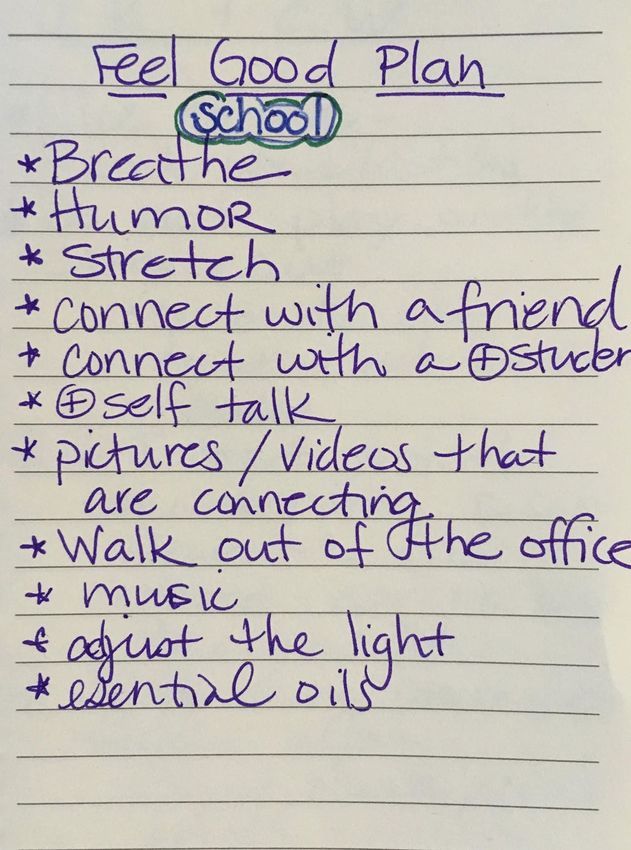
Things Keep
Being Messy
The need for the systems
and structures of MTSS has
never been more important
than it is right now.

                             7
8

We Need To Build or Strengthen:
 1. Trauma                2. SEL Skills &          3. School
 Responsiveness           Emotional Safety         Connectedness:
 ✘   It’s not enough to   ✘   For Ourselves        ✘   Relationships
     be trauma                                     ✘   Psychosocial
                          ✘   For Students
     aware/informed                                    Climate

4. Predictability &           5. Belonging and
Consistency                   Purpose:
✘    Expectations &           ✘   Class Charters
     Routines
                              ✘   Clubs
✘    Acknowledgement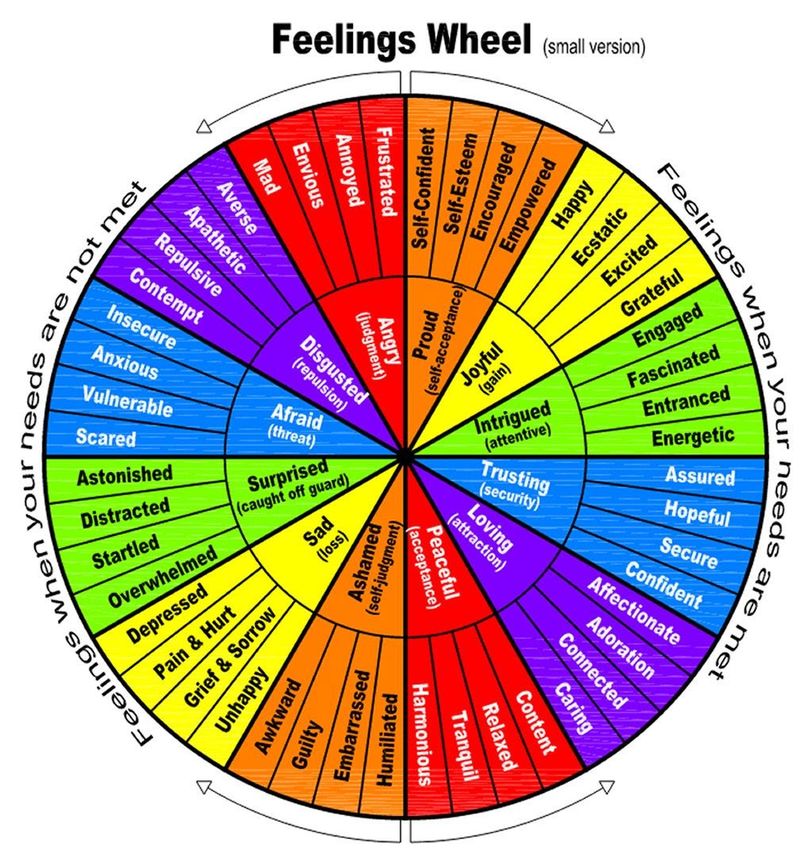
1. Trauma
Responsiveness
10

“Trauma is when we have encountered an out of control,
frightening experience that has disconnected us from all sense of
resourcefulness or safety or coping or love”. (Tara Brach, 2011)

A traumatic event can involve a single experience, or enduring
repeated events, that completely overwhelm the individual’s
ability to cope or integrate the ideas and emotions involved in that
experience (trauma-recovery.ca).

    Trauma is very subjective and relative. We can’t minimize
             someone’s response to an experience.

                       (C. Anderton, 2020)
The Latest ACES Study
Nationally representative CDC survey “Children’s exposure to
of 214,000 adults:
Adverse Childhood
Experiences is the greatest
62% reported at least 1 ACE
25% reported 3 or more ACEs
unaddressed public health
Significantly more ACEs: threat of our time.”
Poor
Black, Hispanic or multiracial - Dr. Block, American Academy
LGBTQ+ Community of Pediatrics
Not just students - affects all of us
11Students with learning &
behavior challenges often lack
important SEL skills.
SEL provided in the context of
a trauma informed, positive,
safe learning environment
provides ALL students with
important skills. For those who
are struggling and need them
most, it offers them the skills
they need to cope, develop
In her 2011 study, Burke Harris found a powerful link between the number resiliency and be successful.
of childhood ACEs and the onset of learning and behavioral issues.13
What is Toxic/Chronic Stress?
“A toxic stress response can occur when a child experiences strong, frequent,
and/or prolonged adversity without adequate adult support.”
Stress Responses
Positive - Brief increases in heart rate, mild elevations in stress hormones
Tolerable - Serious, temporary stress responses, buffered by supportive
relationships
Toxic - Prolonged activation of stress response systems in the absence of
protective relationships
Center on the Developing Child at Harvard University14 Building Resilience- The process of adapting well in the face of adversity, trauma, tragedy, threats or significant sources of stress. As much as resilience involves "bouncing back" from these difficult experiences, it can also involve profound personal growth. American Psychological Association Can Be Developed Through social connection, wellness of the mind and body, asking for help, building emotional intelligence, finding purpose, etc.
15

Neuroplasticity
                  The brain's ability to reorganize itself
                  by forming new neural connections
                  throughout life. Neuroplasticity
                  allows the neurons (nerve cells) in
                  the brain to compensate for injury
                  and disease and to adjust their
                  activities in response to new
                  situations or to changes in their
                  environment.
2. Social-Emotional Learning & Emotional Safety
17

Transformational leaders and teachers
have a deep understanding of their own
emotional landscape and the landscape
       of others. ~ Brene Brown
Common Strategies for Managing Stress
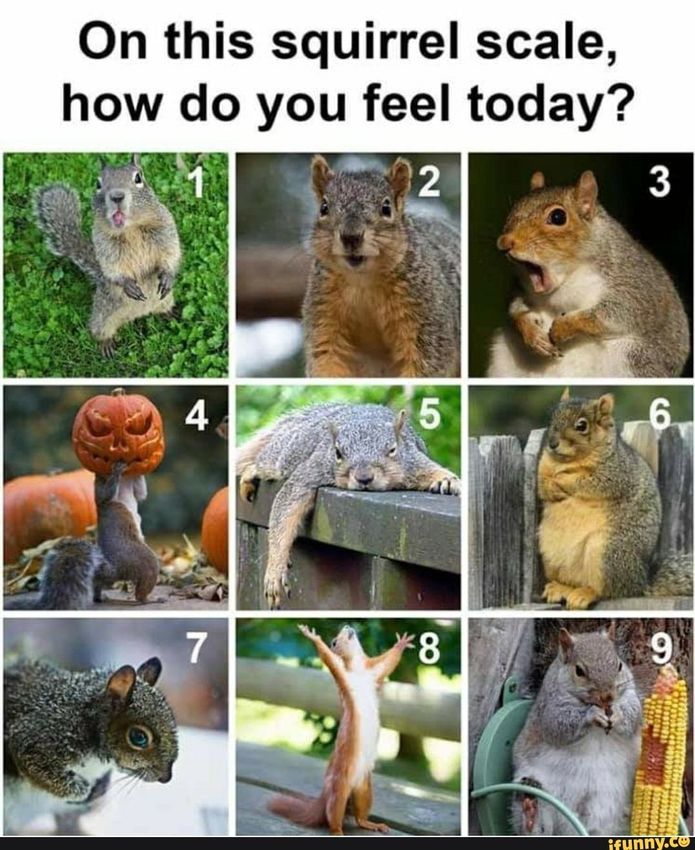
Check In and Reflect
Identify Feelings (Name it to tame it…)
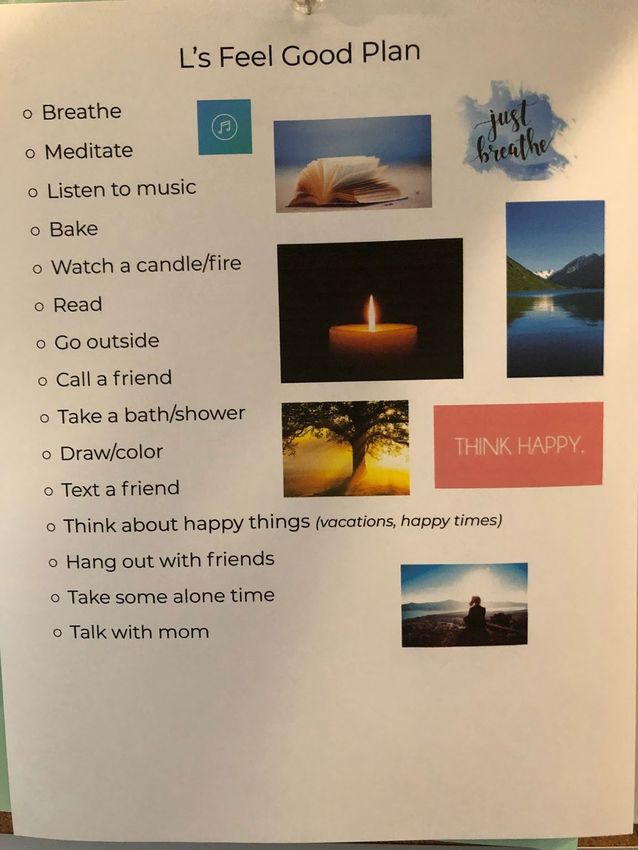
Self-Care/Feel Good Plan
Use Self Advocacy Skills
Adapted from C. Anderton, 2020As an SEL Tool it
can be used in:
• Class Meetings
• Check In
Systems
• Reflection
Forms
• Problem Solving
• Restorative
Meetings….
By Geoffrey Roberts based
on work of Dr. Gloria
Wilcox
www.feelingswheel.com21
Feel Good Plans/Self Care Plans (C. Anderton,
2020)
For resources on Feel Good Plans visit:
https://www.cheranderton.com22
Build Self Advocacy Skills
Keep in mind the following when it comes to problem solving and helping
students build self-advocacy skills…
We have never experienced something like this before and won’t know
the full effects on adults and kids for a long time - be thoughtful and
patient with yourself, families and kids
Think “kind” and “firm” when setting boundaries. Help young people
learn to ask for help and learn to meet their own needs
Utilize evidence-based, best practices for problem solving and
teaching/practicing self- advocacy skills
Validate experiences, allow platforms for all voices, empower others3. School Connectedness
24

                       Research...

Research has demonstrated a strong relationship between school
connectedness and educational outcomes such as attendance, staying in
school longer, higher grades and classroom test scores.

School connectedness is enhanced by a supporting psychosocial
climate. Policies related to discipline, opportunities for student
participation and classroom management practices.

McNeely 2009); Baitlin-Peason, Newcomb, Abbot, Hill, Catalano &
Hawkins (2000); Kiem & Connell (2004)
Observable Internal
Engagement Engagement
Academic Cognitive
Behavioral Affective26
Importance of Meaningful Family Connection and
Engagement
1. Student outcomes are better in schools with strong, meaningful family
engagement
2. Family engagement is essential to student and school success
3. Staff value, support and interact with family members regularly
4. School environment and atmosphere provides evidence of the
importance of family engagement (space, signage, communication
etc.)
5. All practices and policies are viewed and implemented through a
family connection and engagement lens
See Aligning and Integrating Family Engagement in Positive Behavioral Interventions and Supports
(PBIS): Concepts and Strategies for Families and Schools in Key Contexts at www.pbis.org4. Predictability and Consistency
28

  Creating Consistency & Building
                      Stamina
Daily systems of academic and behavioral routines and expectations help
to create the psychosocial safety and needed predictability & consistency
for both staff and students.

•   Class expectations should be clear and align with school-wide
    expectations.

•   Expectations & routines should be developed and taught for each
    activity and transition.

•   Establishment of expectations as they pertain to activities and
    transitions should be co-developed with students.

•   Self-monitoring and praise should be integrated in learning routines.
SACM
6. Belonging & Purpose
31
Relationship Building Strategies
        Connection Before Content
•   The first six weeks of school should have a hyper-focus on teachers getting
    to know kids by name, strengths and needs.

•   Community building restorative circles are a great way to implement ongoing
    relationship development.

•   Greet students by their name at the door each day. This is a good time to do
    quick connections.

•   Provide the magic 5:1 ratio of positive to corrective feedback.

•   2 x 10 Strategy for students who need more support
• Do I greet the student by name each day?
Questions for • Do we talk about topics that interest the student?
Examining •
•
Does the student know I care?
When the student has difficulty, do they know I
Your Student will work to support them?
• Do the student and I laugh together?
Relationships • Does the student know who I am beyond the
classroom?
• Do I know who the student is beyond the
classroom?
• Does the student think I believe they are smart?
• Have I taken steps to understand the students
culture?
Adapted from Howard, Milner-McCall & Howard; 202033 Building positive relationships that foster a safe supportive learning environment and student connection is the responsibility of all who touch a school.
Build a Roadmap to a Strong Re-Entry
with a Six Week Re-Opening Plan
Week 1                           Week 2                             Week 3
Focus Areas:                     Focus Areas:                       Focus Areas:

• Getting to know names,         • Getting to know names,           • Getting to know names,
  strengths and needs              strengths and needs.               strengths and needs.

• Schoolwide& Classroom          • Schoolwide& Classroom            • Schoolwide& Classroom
  Expectations                     Expectations                       Expectations

• Class Charters/Agreements      • Peer and Class Problem Solving   • Formal SEL Lessons

• Community Circles              • Classroom Community Activities   • Diagnostic Academic Work

• Mindfulness/Calming            • Feel Good/Self Care Plans        • Bystanders Program

• School & Classroom Community   • Zones of Regulation              • Academic Routines & Transitions
  Activities
                                 • Diagnostic Academic Work         • Interactive Structures
• Recess/Break Games

• Academic Goals
36
Week 4 Week 5 Week 6
Focus Areas: Focus Areas: Focus Areas:
• Build on Weeks 1-3 • Build on weeks 1-4 • Build on weeks 1-5
• 2 x 10 relationship building • Increase Self-Monitoring & • Universal Screening
where needed Independence
• Increase Self-Monitoring &
• Whole class projects • School Climate Survey Independence
• Circle Keepers • Emotional Regulation • Increase Academic Stamina
• Begin focused academic content • Increase Academic Stamina • Schoolwide Expectations Video
Challenge
• Independent Reflections • Begin Class Rotations for Math &
Specials • Fall Spirit Week
• Empathy Building
• Character Trait/Dare of the • Character Trait/Dare of the
• Character Trait/Dare of the Week Week
Week37 Resources! National PBIS Technical Assistance Center: www.pbis.org Northwest Mental Health Technology & Transfer Center: https://mhttcnetwork.org/centers/northwest-mhttc/home OSPI MTSS Framework and Resources: https://www.k12.wa.us/student- success/support-programs/multi-tiered-system-supports-mtss The Culturally Responsive PBIS Center: www.crpbis.org CASEL’S Roadmap to ReOpening Schools: https://casel.org/reopening-with-sel/
Join us for more in depth learning!

 Online Self Paced Courses             Interactive Workshops

                                      Restorative Practices   Initial Restorative
                                      for the Classroom       Justice
                                      Dates TBD               Oct 7th-8th, 2021
All follow up questions are to be emailed to CISL@k12.wa.us with the presenter name, and the session title the question relates to. Presentation materials, and recordings of sessions will be available on August 18 with closed captioning. (clock hours are not available for watching recordings) Clock hours will be awarded no later than August 31, 2021 and can be claimed up to a year after the event. Participants must fill out the MTSS Fest survey to be awarded hours. The presentation materials will be uploaded to our MTSS webpage and will be linked in the archive materials section.
Be In Touch!
                                                                lori@soundspportsk12.com

                                                                bridget@soundsupportsk12.com

              These slides are being provided for training purposes only by Sound Supports
& Associates. Permission to use these slides outside of this training must be obtained by contacting Sound
                   Supports & Associates. All rights reserved. © Sound Supports, 2021
You can also read


