Special Report on Mental Health and Well-being amid the COVID-19 Pandemic: Learnings from Qualitative and Quantitative Formative Research
←
→
Page content transcription
If your browser does not render page correctly, please read the page content below
Special Report on Mental
Health and Well-being amid
the COVID-19 Pandemic:
Learnings from Qualitative and
Quantitative Formative Research

November 2020

As the COVID-19 pandemic has progressed over the year—and                  ►    13.3% said that they were using substances to cope with
Americans have had to remain at home and socially distance                      stress or emotions related to the pandemic
from their families and friends, struggled financially, and been           ►    10.7% reported having seriously considered suicide in the
continuously exposed to information about the pandemic—reports                  previous month, more than double the rate reported in a 2018
of mental and behavioral health concerns have increased. With the               CDC survey
onset of the pandemic, rates of emotional and behavioral health
issues, such as depression, anxiety, substance use, domestic violence,    Additional research has suggested the need to prepare strategies
and suicidal ideation have increased markedly. 1,2,3
                                                                          that can successfully address challenges to both individuals’ and
                                                                          communities’ emotional and behavioral health.4
In June 2020, the Centers for Disease Control and Prevention (CDC)
released a report2 revealing concerning findings related to people’s      In order to shed light on and to help alleviate mental health
mental health amid the COVID-19 pandemic (caused by the novel             challenges amid the COVID-19 pandemic, the How Right Now
coronavirus SARS CoV2). Among people surveyed, findings included:         (HRN) initiative was developed. Based in research—and made
                                                                          possible with support provided by the CDC Foundation and
 ►    40.9% reported at least one adverse mental or behavioral            technical assistance from CDC—HRN aims to increase individuals’
      health condition                                                    coping skills and their ability to adapt and be resilient, and to reduce
 ►    30.9% reported symptoms of an anxiety or                            the risk of adverse behaviors during this time. The following report
      depressive disorder                                                 documents findings from the formative research that was conducted
                                                                          to better understand COVID-related mental health challenges and
 ►    26.3% reported symptoms of a trauma- and stressor-                  inform the development of HRN.
      related disorder

                                   Special Report on Mental Health and Well-being amid the COVID-19 Pandemic                                    3
Why How Right Now?
    Many people are experiencing feelings of grief, loss, anxiety, and
    depression as a result of the COVID-19 pandemic, but certain groups
    may be more at risk of experiencing mental health challenges during
    this time.8 HRN is particularly focused on these audiences:

     ►    Adults over 65 years of age and their caregivers

     ►    People with preexisting mental and
          physical health conditions
     ►    People experiencing violence

     ►    People experiencing economic distress

    Within each of these audience groups, HRN focuses on at-risk
    subpopulations, e.g., racial and ethnic and gender-identity
    minorities, who are disproportionately experiencing the effects
    of COVID-19.

4                              How Right Now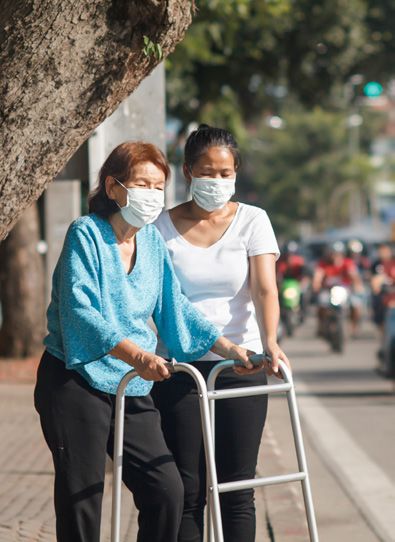
Informing the Development of How Right Now
To understand priority audiences’ thoughts, feelings, and behaviors       HRN is a partnership-based initiative. As such, partner
related to mental and emotional health challenges during the              organizations that serve the initiative’s priority audiences
COVID-19 pandemic, and to inform the development of the                   participated in the formative research. These included:
initiative, rapid mixed-methods formative research was conducted.
Guided by a culturally responsive approach and a commitment to             ►    AARP
include diverse voices, the primary aims of the formative research         ►    Alzheimer’s Association
were to understand HRN’s audiences’ urgent mental/behavioral
                                                                           ►    American Heart Association
health concerns, definitions and perceptions of resilience, mental
health resource needs, available mental health resources, and              ►    Association of Asian Pacific Community Health Organizations
trusted health information sources.                                        ►    Futures Without Violence

                                                                           ►    Human Right Campaign

Formative Research Areas of Discovery                                      ►    League of United Latin American Citizens

                                                                           ►    Mental Health America

                                                                           ►    National Association for the Advancement of Colored People
                Mental/behavior
                health concerns                                            ►    National Indian Health Board

                                                                           ►    National Latino Behavioral Health Association

                Resilience                                                 ►    National Suicide Prevention Lifeline/Vibrant Emotional
                                                                                Health
                                                                           ►    United Way
                Mental health resource needs
                                                                           ►    YMCA
                and availability
                                                                           ►    YWCA

                Trusted health sources                                    Formative research activities took place in both English and Spanish.
                                                                          Given the timing and concurrent nature of the formative research
                                                                          process, data collected early in the research process informed the
                                                                          creation of draft personas, message frames, and core messages that
                                                                          were then tested in the later stages of the research process. Research
                                                                          results are representative of the time in which they were collected.
                                                                          The main data collection activities are described below.

                                   Special Report on Mental Health and Well-being amid the COVID-19 Pandemic                                     5
Environmental Scan                                                          Partner-convened Listening Sessions
Using relevant search terms and parameters, more than 700                   with Audience Members
pieces of published and grey literature were collected and                  Following the needs assessment calls, seven listening sessions were
analyzed from May 4, 2020 to May 16, 2020. Published literature             convened. The national nonprofit organizations that participated
typically contained original research authored by professionals             in the needs assessment helped convene the sessions and recruit
and published in peer-reviewed journals. Grey literature included           participants. These were held with three to six members from each
preprints, preliminary progress reports, technical reports, statistical     of HRN’s priority audiences (for a total of 30 participants) via the
reports, memoranda, market research reports, theses, conference             Zoom platform between June 1, 2020 and June 16, 2020. In these
proceedings, and technical specifications. Excluded from the                sessions, participants discussed emotional health and well-being
analysis were blogs, opinion articles, pharmaceutical company               during the COVID-19 pandemic. The hour-long sessions also served
research, direct marketing advertisements, and companies selling            as an opportunity to obtain audience feedback on the initiative’s
COVID-19-related mental health products.                                    initial messages.

Data Distillation                                                           Online Focus Groups
More than 22 reports containing existing survey data related to             Online focus groups offered a forum for dynamic discussions during
COVID-19 and mental health from 11 organizations—including                  which participants could share their thoughts and experiences about
the Ad Council, the Pew Research Center, and Johns Hopkins                  emotional health, available and needed resources, trusted sources
University—were reviewed to gather information relevant to the              of help, and resilience. The 90-minute-long discussions, involving
emotional health of HRN’s priority audiences and to augment what            58 individuals in 10 groups (five each in English and Spanish), took
we learned in the environmental scan.                                       place via Zoom between June 10, 2020 and June 13, 2020. They also
                                                                            provided a forum for testing draft HRN messages with participants.

Social Listening
Applying similar terms used for the environmental scan, social              Omnibus Survey
listening was used to gain an understanding of how members of               Using AmeriSpeak® (NORC’s nationally representative probability
the initiative’s priority audiences were talking across social media        panel of more than 30,000 U.S. households), an online survey with
sites about mental and emotional health related to COVID-19.                23 items was fielded between May 29, 2020 and June 1, 2020 in
Content from HRN partner organizations was also acquired,                   order to obtain a broad perspective of the COVID-19 pandemic’s
mined, and analyzed. More than 1 million posts were collected and           emotional health impacts on HRN’s priority audiences. The
analyzed across social media platforms—Twitter, Reddit, Facebook,           AmeriSpeak Omnibus survey (administered every two weeks to a
Instagram, YouTube, and Pinterest—from February 1, 2020 through             probability sample of approximately 1,000 representative adults)
May 31, 2020.                                                               yielded data from 731 individuals belonging to one or more of the
                                                                            priority audiences.

Partner Needs Assessment
To serve as an introduction to the HRN initiative, gauge interest
in collaboration, and gather insights about partner organizations’
audiences and organizational needs, 14 one-hour-long interviews
were conducted between May 12, 2020 and June 4, 2020 with
representatives of national nonprofit organizations.

6                                                                  How Right Now
The Findings
Data collected as part of the formative research process were                     Urgent Mental/
blended and findings were triangulated in order to gain a deeper                  Behavioral Health Concerns
understanding of the HRN audiences’ urgent mental/behavioral              Data analysis revealed key urgent mental and behavioral health
health concerns, definitions and perceptions of resilience, mental        issues among HRN’s priority audiences, including:
health resource needs, available mental health resources, and
trusted information sources. Ultimately, this helped inform the            ►    Anxiety                         ►    Substance use
development of the initiative. Specific findings are described below.      ►    Depression                      ►    Experiences with violence,

                                                                           ►                                         trauma, and/or abuse
                                                                                Loneliness
                                                                                                                ►    Suicidal ideation
                                                                           ►    Isolation
                                                                                                                ►    Grief
                                                                           ►    Helplessness

                                                                           ►    Family tension

                                                                          These concerns often arose from disruptions to social determinants
                                                                          of health (e.g., loss of employment and income, lack of access
                                                                          to food and other basic needs) that have been exacerbated
                                                                          by COVID-19, changes in daily life, inability to access coping
                                                                          mechanisms, feelings of loss of control, and uncertainty about
                                                                          the future. All of these factors have increased dramatically since
                                                                          the onset of the pandemic. In addition, members of the priority
                                                                          audiences commonly reported feeling overwhelmed by too much
                                                                          conflicting information and sometimes reported feeling ashamed
                                                                          for needing help. Specifically, people experiencing violence or those
                                                                          in economic distress expressed the greatest concern about having
                                                                          access to food, unemployment, healthcare, and uncertainty about
                                                                          their future.

                                   Special Report on Mental Health and Well-being amid the COVID-19 Pandemic                                   7
When you have children,
                                                                                                          you don’t have the option
                                                                                                          of giving up. When there is
                                                                                                          love in the family, you can
                                                                                                          feel it and you have to fight
                                                                                                          for your loved ones.

                                                                                                              — Quote from online Spanish-speaking focus
                                                                                                                  group with people experiencing violence

            Definitions and Perceptions                                       In terms of what resilience means to HRN’s audiences, common
            of Resilience                                                     themes included relying on past experiences to get through this
Despite the fact that HRN’s priority audiences commonly reported              time, acknowledging the real challenges presented by the pandemic,
feelings of worry, fear, anxiety, and depression, the formative               and not giving up hope. Attitudes about resilience were generally
research also revealed how HRN’s audiences said they need to                  consistent across priority audiences, although adults over 65 years
be resilient during this time. Specifically, they reported needing            of age appeared to be more confident in their ability to be resilient
things such as social support, access to health care, and a sense of          compared to the other groups. By comparison, those experiencing
community in order to be resilient.                                           economic distress reported lower confidence in both their own (20%)
                                                                              and their communities’ (15.9%) abilities to be resilient (Figure 1).

Figure 1.
Resilience amid COVID-19 (N=731)

                                                             58.9%
    I can stay emotionally healthy during the                46.4%
                                                             46.2%
    reopening of the country amid coronavirus                38.9%
                                                             26.1%

                                                             51.0%
    I will bounce back quickly from these                    42.9%
                                                             38.2%
    hard times                                               28.2%
                                                             20.0%

                                                             32.2%
    My community will bounce back quickly                    15.5%
                                                             19.1%
    from these hard times                                    20.1%
                                                             15.9%

                                                                              Source: HRN formative research audience survey fielded through NORC
    65+        Caregivers of 65+              Preexisting conditions          Omnibus, Friday, May 29 – Monday, June 1, 2020

               Experiencing violence          Economic Distress

8                                                                    How Right Now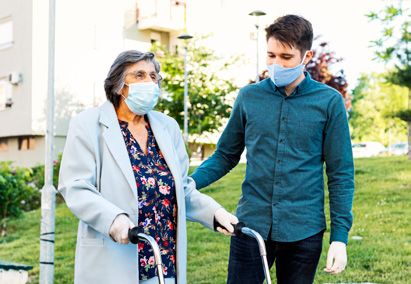
Mental Health Resource Needs Deepening the understanding of audience support needs and
Priority audiences commonly shared that they would like sources, analysis of the qualitative data indicated that priority
to have access to remote and readily available mental telehealth audiences want clear and consistent information about COVID-19
services and support groups to support their emotional health. and ways to mitigate its impacts (e.g., face coverings). Priority
Audiences also expressed a desire for ways to connect virtually with audiences also want actionable information about coping and
family, friends, and peer support. Specific needs that emerged from being resilient amid the pandemic. Even more specifically, priority
the blended data included: audiences want actionable guidance on how to connect virtually
with others.
► Culturally and linguistically appropriate information about
self-care and healthy coping strategies Support needs varied by audience group; the following needs for
► Reassurance that people’s feelings are not abnormal and that support ranked highest for each group:
they are not alone
► Individuals age 65 and older (and their caregivers): Ways to
► Family and friends as sources of support and companionship connect to others and to access mental telehealth services
to stay emotionally healthy
► People with preexisting physical or mental health conditions:
► Community groups for informational support Ways to connect virtually with loved ones, along with greater
► Government and social services for financial and support for coping strategies
informational support ► People experiencing violence: Access to social connection and
► Therapists for emotional and informational support support, specifically emotional support and tangible aid and
services for times when they are in distress or crisis, including
access to telehealth services, hotlines, and/or anonymous
Figure 2 presents HRN’s priority audiences’ reported preferred
remote therapy
emotional health support needs and sources, as reported in the
survey data. A significant majority of people (60%) expressed ► People experiencing economic distress: Readily available
needing emotional support from family, partners, or friends over remote therapy and connections to loved ones, which, in turn,
the next few months, whereas a third or fewer reported needing require access to technology and internet service
emotional, financial and material, informational, or companionship
support from other sources over the next few months. This is not
surprising since science suggests that strong social support (from
family and friends) is important for health and wellness.6
Figure 2.
Needed Types and Sources of Mental Health Support (N=731)
60.6%
27.8%
Family, partners, or friends 31.4%
43.7%
17.7%
17.8%
Community organizations or civic groups 32.8%
19.5%
12.3%
33.3%
Government or social services 34.1%
8.2%
25.5%
Therapists, counselors, or mental 9.6%
health providers 25.3%
8.7%
Source: HRN formative research audience survey fielded through NORC
Emotional support Financial and material support Omnibus, Friday, May 29 – Monday, June 1, 2020
Informational support Companionship support
Special Report on Mental Health and Well-being amid the COVID-19 Pandemic 9
Available Mental                                                     However, while much of the information and resources that people
         Health Resources                                                     need already exists, accessing it may be difficult for those who are
With respect to the mental health resources that are available to             already anxious, depressed, or otherwise stressed. HRN’s priority
people, formative research revealed an abundance of “how-to” lists            audiences commonly reported searching for:
and discussion threads focused on coping strategies and emotional
health. In addition, local and national hotlines—including phone-,             ►     Remote mental health services
text-, and internet-based chats—are available for the unique mental            ►     Ways to refill mental health medications
health needs of some of the priority audience members, as well
                                                                               ►     Insurance coverage for mental health services
as for those in crises. Platforms to connect with partners, family
members, friends, and faith communities are also available to                  ►     Help to cope with grief, loss, and other emotions
support individuals’ emotional well-being. Peer-to-peer forums on
social media are well-utilized platforms for reassurance, support,            For persons who reported that they have looked for information
and information (especially on www.reddit.com). Finally, a variety of         to support emotional health amid COVID-19, Figure 3 presents a
guides detailing how to access resources and address mental health            breakdown of where people look for emotional health support. Most
concerns is available for both individuals and organizations. Many            often, priority audiences reported seeking support through both
of these include information about how to access remote therapy for           informal support networks, e.g., friends or family members (56.8%)
mental health issues, in addition to other important resources.               and formal ones, e.g., therapists or other mental health professionals
                                                                              (31.1%). Surprisingly, only 16.1% reported looking to pastors or
                                                                              religious leaders for emotional health support resources.

Figure 3.
Available Mental Health Support Resources (N=137)

  Friend or family member                                   58.8%

  Therapist or other mental health professional             31.1%

  CDC website                                               22.7%

  Physician                                                 18.2%

  State-level government website                            18.2%

  Pastor or religious leader                                16.1%

  Local government website                                  15.2%

  Community organization                                    11.4%

  National Institute of Mental Health                         7.0%

  Professional organization                                   6.6%

                                                                              Source: HRN formative research audience survey fielded through NORC
                                                                              Omnibus, Friday, May 29 – Monday, June 1, 2020

10                                                                   How Right Now
Trusted Health We’re getting mixed signals from
Information Sources a variety of sources, and it’s not doing
Survey results revealed that priority audiences trust multiple, varied anyone any good.
sources of heath information. In general, people trust national
nonprofit organizations such as AARP, the American Civil Liberties — Quote from online focus group with people ≥65 years of age
Union (ACLU), the National Association for the Advancement of
Colored People (NAACP), Unidos-US (formerly called National In addition, findings suggested that Spanish-speaking audiences
Council of La Raza), the United Way, Alzheimer’s Association, YMCA, trust Spanish language media, such as Univision and Telemundo,
and YWCA, among others. They also trust national organizations to provide information about the COVID-19 pandemic (as well
focusing on mental health, such as Mental Health America and as on other general topics). This may be due to the fact that
the National Alliance on Mental Illness (NAMI), local public health these communication channels consistently offer culturally and
authorities, and faith-based organizations. Finally, people express linguistically appropriate information to their intended audiences
trust in federal and global health organizations such as the CDC and and therefore are trusted to provide necessary information related
the World Health Organization (WHO); see Figure 4. to COVID-19.
There was some variation in the sources primarily trusted by each of Finally, although priority audiences indicated that they trust
HRN’s priority audience groups: several sources to provide reliable information, the sheer volume of
information available can also be a challenge to individuals’ ability
► Individuals age 65 and older reported trusting to locate what they need.
faith-based communities
► Caregivers expressed trust in mental health professionals Moreover, some focus group participants said that they have to turn
off the news and take a break from information overload to help
► Individuals with preexisting conditions reported
manage their emotional health.
trusting celebrities
► People experiencing violence reported trusting peers in
similar situations or local crisis organizations Finding a balance between digesting
► People experiencing economic distress reported trusting important updates on COVID-19 while
local health centers reducing information that can cause us to
feel depressed is fundamental.
— Quote from environmental scan
Figure 4.
Level of Trust for Health Information Sources (N=731)
Healthcare provider groups 28.5% 50.1% 11.5% 8.5%
such as AMA, APHA, and ANA
Centers for Disease Control 28.8% 46.8% 11.5% 11.5%
and Prevention (CDC)
University scientists and researchers 24.1% 50.9% 12.2% 11.2%
Local elected officials 6.8% 44.0% 25.3% 21.8%
National elected officials 4.9% 36.1% 29.7% 27.0%
National organizations such as 11.1% 43.5% 23.0% 19.6%
AARP, ACLU, NAACP, UnidosUS
Organizations in your community 6.2% 51.1% 26.2% 13.5%
Source: HRN formative research audience survey fielded through NORC
Completely Somewhat Not very much Not at all Omnibus Friday, May 29 – Monday, June 1, 2020
Special Report on Mental Health and Well-being amid the COVID-19 Pandemic 1112 How Right Now
Conclusion
The complex medical challenges of the ongoing COVID-19                     These findings signaled the need for targeted messages to support
pandemic have been well documented,7 and the pandemic’s impact             mental health and emotional well-being for HRN’s four priority
on people’s emotional health is a growing concern. The formative           audiences who were at substantial risk for negative mental health
research conducted as part of How Right Now revealed that many             outcomes during COVID-19. This was particularly salient given
of the initiative’s audiences are experiencing feelings of worry,          the unique need during this pandemic to physically distance from
loss of control, isolation, and grief, stemming from inconsistent          others. The culturally responsive approach to this research resulted
information and from disruptions in employment, income,                    in the launch of an innovative partnership-based communication
education, and health access. Furthermore, research shed light on          initiative—now known as How Right Now—that is currently live and
priority audiences’ needs and sources of trusted information and           providing support to these populations.
support related to their emotional health.
                                                                           The HRN initiative reflects a robust research-based effort that
Findings from the formative research indicated that, in order to help      focuses on addressing people’s feelings of grief, loss, and worry by
mitigate the emotional health impacts of the COVID-19 pandemic,            increasing individual coping skills and reducing the likelihood of
messaging efforts should:                                                  adverse behaviors. A comprehensive evaluation of the initiative that
                                                                           will ultimately reveal findings related to process, outcomes, and
 ►    Validate what people are experiencing amid COVID-19                  lessons learned is currently underway.
 ►    Acknowledge the reality and seriousness of COVID-19
      and the range of experiences and needs across audiences
      (e.g., hopelessness)
 ►    Normalize people’s worry, stress, and reactions (e.g., feeling
      distress in a crisis is normal)
 ►    Provide practical, low-cost solutions to help people cope with
      grief, worry, and anxiety during this time
 ►    Avoid being overly prescriptive and focus on positive messages

 ►    Provide resources for health information and social or
      community support
 ►    Provide culturally and linguistically appropriate materials

                                    Special Report on Mental Health and Well-being amid the COVID-19 Pandemic                                   13
About the HRN Team
NORC
NORC at the University of Chicago is an objective, nonpartisan
research institution that delivers reliable data and rigorous analysis
to guide critical programmatic, business, and policy decisions.
NORC’s health communication group includes experts in digital
strategy and outreach, social media data analysis, and audience
research and evaluation.
Burness
At Burness, a mission-driven organization with ability to influence
social change, veteran communications, media, and policy experts
work with digital strategists, designers, writers, and producers to
create and execute communication strategies that move issues and
elevate organizations.
TMN
TMNcorp is a minority- and woman-owned full-service
communications and marketing company that combines a broad
range of media, research, and strategic management expertise not
ordinarily found in a single firm. TMN’s strength lies in personal
and professional diversity, commitment, and desire to make a
difference.
14 How Right NowReferences 1 Ettman CK, Abdalla SM, Cohen GH, et al. Prevalence of depression symptoms in US adults before and during the COVID-19 pandemic. JAMA Netw Open. 2020 Sep 1;3(9):e2019686. 2 Czeisler ME, Lane RI, Petrosky E, et al. Mental health, substance use, and suicidal ideation during the COVID-19 pandemic— United States, June 24-30, 2020. MMWR Morb Mortal Wkly Rep. 2020;69(32);1049-1057. 3 Volkow ND. Collision of the COVID-19 and addiction epidemics. Ann Intern Med. 2020;173(1):61-62. 4 Galea S, Merchant RM, Lurie N. The mental health consequences of COVID-19 and physical distancing; the need for prevention and early intervention. JAMA Intern Med. 2020;180(5:)817-818. 5 Pfefferbaum B, North CS. Mental health and the Covid-19 pandemic. N Engl J Med. 2020;383(6):510-512. 6 Reblin M, Uchina BN. Social and emotional support and its implication for health. Curr Opin Psychiatry. 2008;21(2):201-205. 7 https://www.cdc.gov/coronavirus/2019-ncov/cases-updates/ index.html 8 Pfefferbaum B, North CS. Mental health and the Covid-19 pandemic. N Engl J Med. 2020;383(6):510-512.
For questions about the How Right Now initiative, contact Dr. Amelia
Burke-Garcia at BurkeGarcia-Amelia@norc.org. If interested in
partnering with How Right Now, contact partners@howrightnow.org.
You can also read


