March 2022 - Illinois Sheriffs' Association
←
→
Page content transcription
If your browser does not render page correctly, please read the page content below
LAW ENFORCEMENT NEWSLETTER
                                                      To Serve & Protect
                                                         March 2022

                            Stop Demonizing the Police
                                                        By Dave Smith

                                                        It has become something of a political tactic used
                                                        daily among our elites to not debate an idea, but to
                                                        simply demonize, lumping all individuals so
                                                        identified into a condemned collective.

                                                        Once this ad hominem attack is employed, debate
                                                        is no longer necessary as the “demons” are not
                                                        worthy of dialogue or idea exchange. The problem
                                                        with this approach is it doesn’t actually take the
                                                        issue off the table or resolve anything. Worse, it
                                                        promotes actions and punishments far outside the
                                                        bounds of proportionality.

                                                        To “demonize” is to attribute total evil to whomever
                                                        or whatever is so stigmatized. Once identified as
                                                        such, it’s totally acceptable to do what you will to
                                                        these demons among us. Burn the witches,

incarcerate people of Japanese ancestry, defund the police, and on and on. A major problem with reviling
something so extremely is the negative impact it has, not just on the stigmatized group, but on those who
engage in the castigation, often without fact or logic.

During the trial of the Nazi Adolf Eichmann in Jerusalem, the world was stunned by the attending
psychiatrist’s statement that Eichmann was “more normal than I am.” It turned out the architect of the
murder of millions was thoughtlessly killing, with no conscience, no sense of guilt, no hostility, just cold
hard reason as he exterminated millions of Jews, Gypsies, Poles, and the disabled; people who had been
demonized during the post-World War I era of crisis for the German nation.

The brilliant holocaust survivor Hannah Arendt and the philosopher Jean Paul Sartre argued that, not only
was Eichmann guilty of choosing to be evil, but those who informed on their Jewish neighbors were guilty
as well, an idea that rankled the intellectual class that was so exposed. Apologists for the Germans and
for the French who collaborated with the Nazis believed that Hitler’s henchmen were so powerful they
could not be resisted. So, individual collaborators could not be judged. Arendt and Sartre disputed this,
asserting that evil was an individual choice and, whether an individual was a Nazi or a collaborator, each
person needed to be judged as part of the collective evil.

America’s Founders sought to avoid witch hunts by creating a Constitution denying government the ability
to judge groups. The powerful focus on the rights of individuals forces the government to deal with
individual guilt or innocence rather than collective guilt. Past demonizing of groups in America, such as
the treatment of Japanese-Americans in World War II, required a Supreme Court ruling and nationwide
fear; a lesson we have managed to unlearn.

We have now, once again, begun to stigmatize large groups of our own people in ways long unseen.
Calling people Fascists, Nazis, racists, homophobes, sexists, and so on, has replaced debate in our
nation. Under such extreme rhetoric, the ideas of the “othered” people no longer need to be listened to
and their rights no longer need to be protected, and the Constitution becomes an impediment to be
circumvented instead of a mandate to be honored.

For instance, rather than looking at the death of George Floyd or Michael
Brown as individual incidents that needed to be examined as singular
events, the media, the political class, and the intellectual elite all cried
that American law enforcement was somehow innately evil. No evidence,
no facts, just terrible emotion. Now we are reaping the fruits of such hysteria. The finding
that Michael Brown’s death was justified was given scarcely a footnote in the media, and every
subsequent critical incident has become a potential tripwire for civil violence, prosecutorial abuse, and
extended suffering for the officers involved.

It is time for America to wake up, remember, and follow the Constitution, and revere those who protect
and serve. It took our nation a long time to repent over the incarceration of our Japanese citizens. I hope
it won’t take nearly as long to repent of the hysteria of demonizing the police through name calling,
defamation, and destructive policy making.

A free society is tolerant of ideas and debate, reveres those who preserve and protect those freedoms,
and remembers that guilt and innocence are not collective traits but individual ones. Evil isn’t an abstract
concept, it is a concrete choice. As Hannah Arendt warned, evil is “banal”—in other words a common
thing among us all—and needs to be resisted at an individual level by each and every one of us.

And when evil does appear, there are those who rush to stop it. We call those men and women, not
“demons,” but “heroes.” They are the police.

                  Behind the Badge: Sheriff Kevin Turner

                          Click the above image to view the video

            What a Difference a Year Makes
                by Jim Kaitschuk, ISA Executive Director

The good news is that there are only 4 scheduled weeks left in the
legislative session. The better news is that there are very few bills left that
are still moving that we OPPOSE. The best news is that there is a
significant willingness by the General Assembly to address some of the
challenges facing law enforcement today.

As you are probably aware, there is an average law enforcement agency
vacancy rate of approximately 20% statewide. There are challenges
getting officers enrolled in academies, finding people that want to become
officers, a tremendous number of mandates we must meet, including both
training and body cameras and more. I have been told repeatedly by
members of the General Assembly that is their intention to help us address these issues through some
form of recruitment and retention package. We have been offering suggestions and working with others to
collaborate on areas such as money for salaries, property tax relief, income tax relief, money for training,
money for equipment, and pension enhancements to name a few. At this time I can’t tell you exactly what
this will look like, but I can tell you that many legislators recognize that the problem exists and have a
willingness to work toward strategies to help alleviate it.

There are also ongoing efforts to address the spike in violent crimes. You will likely see legislation to
address organized retail theft, expressway shootings (LPRs), gun crimes, hopefully enhancements
against violence towards police officers, additional felony charges to require DNA submission, and
more. As you know, not only do we need the funding to support the jobs that we do as outlined above, but
we need the legal tools and support to help us protect our communities.

I would encourage you to talk to your legislators so that they understand how important these issues are
to you and our profession and that their backing of these items is an important step to demonstrating
support for law enforcement.

Click HERE for bills the ISA is tracking as of 03/11/2022.

        Top 10 Police Podcasts To Follow in 2022
                                          Click on photos for links

                                                        1. Policing Matters
                                                        About Podcast: In the Policing Matters
                                                        Podcast, PoliceOne Senior Contributor
                                                        Doug Wyllie and San Francisco Deputy
                                                        Chief Jim Dudley (ret.) discuss current
                                                        news, offer advice, thoughts, tips and
                                                        laughs for officers.

                                                        Frequency: 1 episode / week

                                                        2. The Squad Room - Podcast
                                                        About Podcast: This podcast provides
                                                        lifestyle and leadership lessons for police
                                                        officers

                                                        Frequency: 1 episode / week

                                                        3. Inside The Squad
                                                        About Podcast: Inside The Squad is
                                                        brought to you by the Community Outreach
                                                        Unit of the Lafayette, Indiana Police
                                                        Department. From crime statistics to crime
                                                        prevention and everything in between, this
                                                        is your inside look into what's happening at
                                                        the LPD.

                                                        Frequency: 5 episodes / year

                                                        4. Police Off The Cuff
                                                        About Podcast: Two former NYPD
                                                        Detectives turned comedians sharing war
                                                        stories, giving you a peak behind the
                                                        badge, and talking about comedy, current
                                                        events and everything in between.

                                                        Frequency: 3 episodes / week
5. Code 4 : Police Podcast
About Podcast: A couple of officers with
over twenty years of collective experience
having conversations hoping to shed light
on a side not often shown

Frequency: 1 episode / quarter

6. Bend Don't Break
About Podcast: Bend Don't Break is a
podcast that tells the story of police officers
who have overcome significant adversity in
their personal and professional lives.
Through the power of story, the listener will
understand the depth of resilience and
personal strength that exists in the men
and women who protect our communities
24x7.

Frequency: 3 episodes / quarter

7. Police Academy Podcast
About Podcast: Episodes of Police
Academy Podcast include police news
topics, analysis of officer involved
shootings, use of force situations,
explanations of media coverage of the
police, answers to citizen questions and
stories from both civilian and police
sources.

Frequency: 7 episodes / quarter

8. The Off Duty Podcast Law
Enforcement
About Podcast: The podcast that interviews
the men & women of law enforcement and
learns about the person behind the badge!
#HumanizeTheBadge

Frequency: 4 episodes / month

9. Quality Policing Podcast
About Podcast: A quality discussion about
policing and crime prevention with a focus
on current events and honest data.

Frequency: 1 episode / week

10. Cop Life | | A Police
                               Podcast from Behind the
                               Badge
                               About Podcast: This is the show that takes
                               an in-depth look at the life of a veteran
                               police officer and the way he balances
                               work, home and plays all while giving
                               insight into the daily dilemmas and
                               situations encountered in any given week.

                               Frequency: 1 episode / week

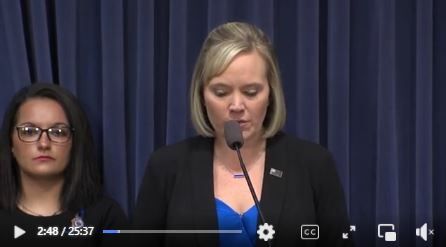
Please CLICK ON THE IMAGE to listen to this powerful message
      by family members of fallen Illinois police officers.

       5 Myths & Truths About Officers and PTSD
                               It is encouraging to see how far law
                               enforcement culture has progressed in
                               recognizing the critical role of mental health
                               in officer safety and wellness.
Even so, PTSD continues to impact thousands of
                                                         officers each year. Sadly, many of these officers
                                                         receive little or no help, leading to significant time
                                                         away from work, to leave their chosen profession
                                                         prematurely, and sometimes end their own lives.

To encourage law enforcement officers in their efforts to understand PTSD, I want to address five
common myths I hear about PTSD in the police community. By squashing these myths, my goal is to
improve LEOs’ ability to know when to seek help, and to strengthen their capacity to get the support they
need to heal.

MYTH 1: AS A LAW ENFORCEMENT OFFICER, IT’S ONLY A MATTER OF TIME BEFORE I GET
PTSD.

Fact: Most LEOs will not develop PTSD.

While officers are exposed to traumatic events at alarmingly high rates compared to the general public,
trauma exposure alone does not necessarily lead to PTSD.

Humans are wired for resiliency: we are built to withstand severe hardship and trauma. Researchers don’t
fully understand why some people develop PTSD and others don’t. We do know that there are known risk
factors, including social isolation and a history of childhood trauma, as well as protective factors, including
strong connections with others and healthy living habits.

MYTH 2: HAVING PTSD MEANS I’M WEAK.

Fact: PTSD impacts some of the strongest people among us.

No amount of physical or mental toughness can completely prevent the onset of PTSD. There is a
misperception that “tough” people handle things effortlessly, that nothing gets to them. I often hear stories
from my clients about some of their fellow officers, whom they believe are bulletproof. They typically
describe these officers as incredibly physically fit and stoic.
But sometimes, these are the very kinds of officers who avoid, rather than confront their emotions, and
use coping mechanisms like alcohol, busyness, or other compulsions to push away difficult feelings.

Unfortunately, avoiding, rather than confronting our reactions to traumatic events is very often a
precursor to the development of PTSD.

It is normal to experience distress after an abnormal event like a critical incident. Working through the
discomfort, often beginning with speaking with a trusted peer or participating in a critical incident stress
debrief (CISD), rather than pushing it away, is helpful in reducing the long-term negative effects of a
critical incident. However, it’s important to note that even when officers handle a difficult experience well,
they can still develop PTSD.

PTSD is not a choice.

MYTH 3: PTSD WILL NEVER GO AWAY.

Fact: PTSD is one of the most treatable mental health conditions.
Many of the officers I meet believe that once someone has PTSD, they must live with it forever. Nothing
could be further from the truth!

People often ask me how I’m able to do my job, listening to stories of people’s worst memories and
experiences day in and day out. My answer is always the same: I get to see officers recover and reclaim
their personal and professional lives. PTSD is not something just to be managed; it really can go away.
The memories will always be there, just like lingering pain from an old bone fracture, but with the right
treatment, the hypervigilance, irritability, fear and lack of control over the memories will lessen and
disappear.

MYTH 4: PTSD REQUIRES A LIFETIME OF THERAPY.

Fact: PTSD typically can be treated in months, not years.

One of the best parts of treating PTSD is being able to see people feel better quickly. For this to happen,
it’s important for LEOs to find a clinician specifically trained in an evidence-based model for treating
PTSD, not merely someone who says they treat PTSD or trauma on their website without any further
information.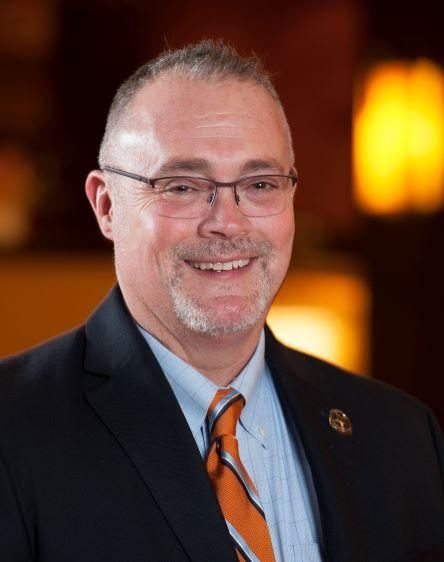
The three models with the most consistent research to support their effectiveness areProlonged
Exposure (PE), Cognitive Processing Therapy (CPT), and Eye Movement Desensitization and
Reprocessing (EMDR). In my work, I’ve seen people recover from PTSD in as few as five or six sessions,
but four to six months is often a reasonable timeline. It’s also important to mention that treatment is more
effective when LEOs work with a clinician they trust who understands and respects the unique challenges
of police work.

MYTH 5: I DON’T DESERVE THERAPY. THERE ARE OTHER PEOPLE WHO HAVE IT WORSE
THAN I DO.

Fact: Everyone experiencing PTSD, regardless of the severity of the traumatic event or their symptoms,
deserves to feel better.

It’s always possible to find someone who has it harder. I have had clients tell me that they feel guilty for
taking a spot on my schedule, believing that it should go to someone who “needs it more.” And while it is
understandable that LEOs, who voluntarily risk their lives to protect others, might see it this way, it’s vital
for LEOs to prioritize their mental health and get the help they need. As the saying goes, put on your own
oxygen mask first.

PTSD drastically impacts people’s ability to move through life: it can lead to physical health
complications, withdrawal from social and interpersonal connections, and even suicide. I meet many
officers each year who are unable to function effectively at work or at home because of the debilitating
effects of PTSD. No matter the cause or severity of the PTSD, nobody deserves to live with PTSD longer
than they must.

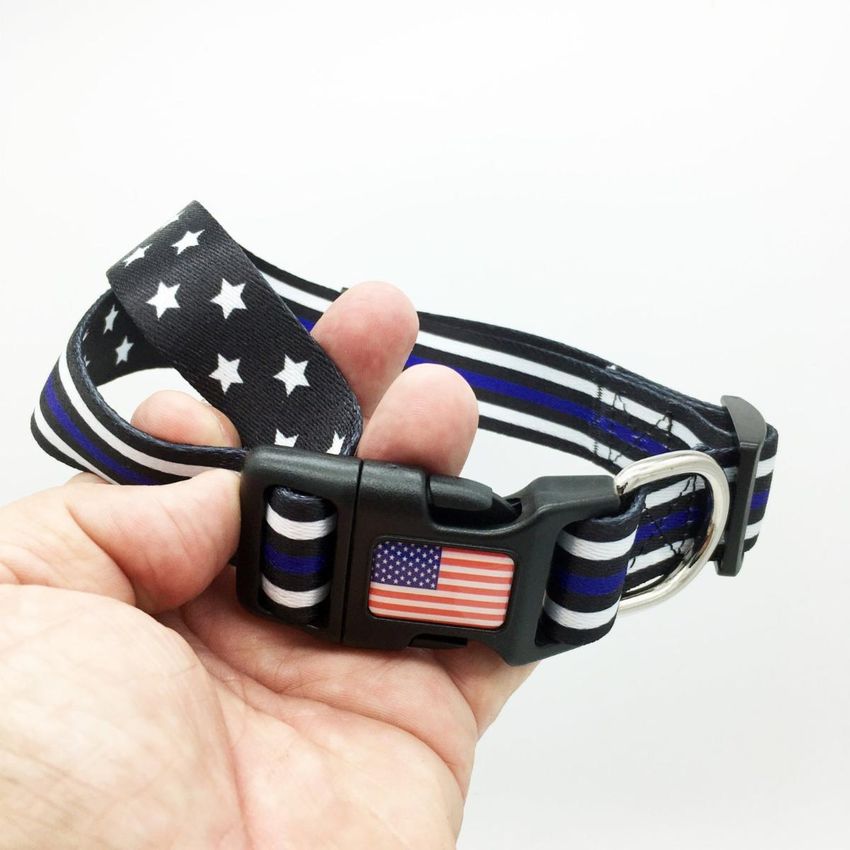
                          ISA Store Opening March 28th!
ISA T-Shirts,
Sweatshirts, Polos,
 Hats, Visors, Dog
Collars & Leashes,
    and more!
You can also read


