Original Article Anxiety disorder in menopausal women and the intervention efficacy of mindfulness-based stress reduction
←
→
Page content transcription
If your browser does not render page correctly, please read the page content below
Am J Transl Res 2023;15(3):2016-2024
www.ajtr.org /ISSN:1943-8141/AJTR0148421

Original Article
Anxiety disorder in menopausal
women and the intervention efficacy
of mindfulness-based stress reduction
Suna Huang1, Zhonghai Wang1, Danyi Zheng2, Lizhu Liu3
1
 Guangdong Medical University, Dongguan 523808, Guangdong, China; 2Department of Gastroenterology, Dalang
Hospital of Dongguan, Dongguan 523777, Guangdong, China; 3Department of Physical Examination, Dalang
Hospital of Dongguan, Dongguan 523777, Guangdong, China
Received December 12, 2022; Accepted February 20, 2023; Epub March 15, 2023; Published March 30, 2023

Abstract: Objectives: The purpose of this study was to investigate the current situation of anxiety disorder in meno-
pausal women and to analyze the intervention effect of Mindfulness-Based Stress Reduction (MBSR). Methods:
A total of 489 patients diagnosed with menopausal syndrome from July 2021 to June 2022 were selected as the
study object. There were 120 patients with menopausal syndrome complicated with anxiety who were screened out
by the Generalized Anxiety Disorder (GAD-7). The patients were divided into an experimental group (62 cases) and
a control group (58 cases) according to the random number table method. The experimental group received MBSR
intervention, and the control group received routine intervention. The present situation of menopausal women’s
anxiety disorder was analyzed. The Five Facet Mindfulness Questionaire (FFMQ) score, GAD-7 score, follicle stimu-
lating hormone (FSH), estradiol (E2), and 5-hydroxytryptamine (5-HT) levels of the two groups were compared. Re-
sults: After a statistical analysis, it was found that the incidence of anxiety in patients with menopausal syndrome
was 24.54% (120/489). The severity of menopausal syndrome was positively correlated with the degree of anxiety
(r = 0.621, P
MBSR for menopausal women’s anxiety disorder

                                                         years old population the proportion of female
                                                         patients is twice that of male patients [7].
                                                         Perimenopause poses unique challenges to
                                                         women’s physical and mental health. When the
                                                         traditional biomedical model is transformed
                                                         into a bio-psycho-social medical model, and
                                                         China enters the aging stage, we propose the
                                                         following views: The Generalized Anxiety Di-
                                                         sorder Scale (GAD-7) is used to actively screen
                                                         the anxiety disorder of perimenopausal women
                                                         in the outpatient department, to identify the
                                                         mental and psychological factors associated
                                                         with physical symptoms in the early stage.
                                                         Mindfulness-Based Stress Reduction (MBSR)
                                                         [8]-based group counseling is an intervention
                                                         method to rapidly open patients’ inner chan-
                                                         nels, help them to carry out cognitive recon-
                                                         struction, reduce adverse emotions, and im-
                                                         prove their social functions. MBSR can reduce
                                                         the psycho-neurological symptoms of patients,
                                                         ensure physical and mental health to the maxi-
                                                         mum extent, and improve the quality of life [9].
                                                         There are few studies on the application of this
                                                         method in menopausal syndrome patients with
                                                         anxiety disorder. Based on the above research
                                                         background, the purpose of this study was to
                                                         explore the status quo investigation of anxiety
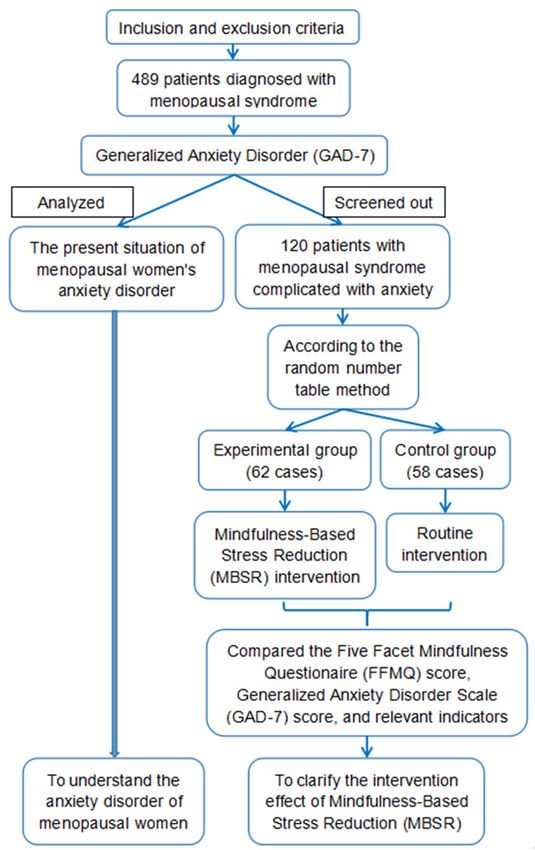
Figure 1. The flow chart of this research design.
There were 489 patients diagnosed with menopaus-         disorders in menopausal women and the effect
al syndrome who were selected. A total of 120 pa-        of an intervention, to provide a practical basis
tients with menopausal syndrome complicated with         for the inclusion of anxiety screening and inter-
anxiety were screened out by Generalized Anxiety         vention in routine menopause outpatient work.
Disorder (GAD-7). According to the menopausal syn-
drome and anxiety, patients voluntarily choose differ-   Material and methods
ent intervention methods and were divided into an
experimental group (62 cases, MBSR intervention)
and a control group (58 cases, routine intervention).    Selection of suitable research subjects
The present situation of menopausal women’s anxi-
ety disorder was analyzed. The Five Facet Mindful-       The flow chart of this research design is shown
ness Questionaire (FFMQ) score, Generalized Anxiety      in Figure 1. Menopausal syndrome patients
Disorder Scale (GAD-7) score, and hormone index
                                                         diagnosed with an anxiety disorder from July
levels of the two groups were compared.
                                                         2021 to June 2022 were selected.

chemotherapy [4]) is more likely to cause me-            The following criteria must be met for inclusion
nopausal syndrome [5]. The menopausal syn-               (inclusion conditions): (1) The outpatient diag-
drome refers to a series of mental and physical          nosis of the menopausal syndrome; (2) GAD-7
manifestations of perimenopausal women due               was evaluated as an anxiety disorder; (3) Sign
to decreased sex hormone content. We specu-              informed consent. Patients with the following
lated that the occurrence of menopausal syn-             conditions were excluded (exclusion option): (1)
drome, changes in hormone levels, and psycho-            Abnormal menstruation caused by pathological
logical factors are important reasons. Studies           diseases; (2) Serious substantial lesions of the
show that [6] the prevalence of mood disorders           heart, liver, and kidney; (3) Complicated with a
worldwide is 9.5% in women and 5.8% in men.              malignant tumor. A total of 489 patients were
As a common mental disorder, the prevalence              included. This study was approved by the Me-
rate of anxiety is 1.9% to 5.1% in the middle            dical Ethics Committee of Dalang Hospital of
age of the general population. In the 45-55              Dongguan.

2017                                                            Am J Transl Res 2023;15(3):2016-2024
MBSR for menopausal women’s anxiety disorder
Table 1. GAD-7 Psychological Scale
Question Not at all Several days More than a week Almost every day
Feeling nervous, anxious, or eager. 0 1 2 3
Inability to stop or control worry. 0 1 2 3
Worry too much about a variety of things. 0 1 2 3
Difficulty to relax. 0 1 2 3
Unable to sit sedentary due to restlessness. 0 1 2 3
Easily become annoyed or irritable. 0 1 2 3
Fear something terrible will happen. 0 1 2 3
Diagnostic criteria tine intervention) according to the random
number table method. Both groups received
Menopausal syndrome diagnostic criteria: Re- basic treatment on the day of admission, in-
fer to the Chinese Obstetrics and Gynecology cluding hemostasis, menstrual cycle adjust-
[10] menopausal syndrome-related standards, ment, and endometrial disease prevention.
clinical manifestations of mild symptoms of hot
flashes, sweating, lasting ≥2 min, severe cases Control group: Routine intervention was per-
appear multiple times within 1 day, night, stress formed based on basic treatment, including
state prone; skin thinning, itching, and walk routine health education and psychological
feeling; depression, insomnia, excitement, anx- nursing, all of which were performed by the
iety; palpitation, false angina, chest tightness; responsible nurse. The intervention was per-
joint deformation, back pain, night cramps; formed once a week for 8 weeks.
vaginal dry itching, difficulty in sexual inter-
course, frequent urination and urgency; and The experimental group was provided with
follicle-stimulating hormone and luteinizing hor- MBSR intervention based on basic treatment.
mone increased, estradiol decreased. Specific methods: The patients were organized
to perform group MBSR activity once a week.
Screening of patients with anxiety disorders Each activity lasted for 1 hour, for 8 weeks.
During the activity, the patient’s age, course
The Generalized Anxiety Disorder (GAD-7) was of disease, symptoms, family background, and
used to assess the anxiety of patients. Meno- knowledge of the disease were understood.
pausal patients with anxiety were screened The patient was guided to self-perceive the
out. changes of the disease symptoms and psycho-
logical emotions without making value judg-
GAD-7 Psychological Scale scoring criteria [11]:
ments. The inducement factors, common
The self-rating anxiety scale based on the
symptoms, and treatment plan of menopause
Diagnostic and Statistical Manual of Mental
syndrome were explained in detail to the
Disorders IV (DSM-IV) (Table 1), consisted of 7
patient, so that the patient correctly under-
items. Each of them are composed of 4 choic-
stood the disease and could actively face their
es; Not at all, several days, more than a week,
physical and psychological adverse reactions.
and almost every day. Scores ranged 0, 1, 2,
Guidance on medication, diet, physical exer-
and 3 out of 21. Results Analysis: The total
cise, and health was provided. A list of success-
score of 0-4 was no anxiety, 5-9 was mild anxi-
ful cases was shared to improve patients’ con-
ety, 10-14 was moderate anxiety, and 15 or
fidence in the treatment. Patients were guided
above was severe anxiety. Gpad-7 scale score
≥5 was diagnosed as anxiety disorder. to relieve anxiety through meditation, breath-
ing training, and developing hobbies. The fa-
Grouping and intervention methods mily members were advised to provide ade-
quate emotional support and mental encour-
Patients with menopausal syndrome and an- agement to the patient, reduce the anxiety
xiety disorder were divided into an experimen- and mental and neurological symptoms of the
tal group (mindfulness-based stress reduction patient during perimenopause, and help the
therapy intervention) and a control group (rou- patient proceed through the perimenopause
2018 Am J Transl Res 2023;15(3):2016-2024MBSR for menopausal women’s anxiety disorder
smoothly. The intervention was performed Sample size calculation method
once a week for 8 weeks.
This study was a randomized controlled trial.
Observation target The experimental group was the MBSR in
tervention group. The control group was the
(1) Baseline data: Age, body mass index (BMI), conventional intervention group. The inefficien-
duration of anxiety symptoms, educational cy of the intervention of the subjects was the
level, marital status, occupational status, the outcome index of the observation. According
severity of the menopausal syndrome, and to the literature, it was expected that the
degree of anxiety. (2) Evaluation criteria for the inefficiency of the MBSR group was 30%. The
severity of menopausal syndrome: Using the inefficiency of the control group was 40%,
modified Kupperman scale [12], the clinical the bilateral α = 0.05 was set, and the test
manifestations of the menopausal syndrome efficiency was 90%. According to the sample
were summarized into the following 13 symp- - # (Za + Zb)
size calculation formula: n = ( 2P (1(P1P) - P2)
#
2
2
).
toms: Hot flash and sweating, sensory distur- In the equation, P = (P1+P2)/2. Calculation
bance, insomnia, excitations, depression and results: Experimental group and control group
suspicion, vertigo, fatigue, joint pain, heada- each need 84 cases of research objects.
che, palpitation, skin and sensation, decreas-
ed sex life, urinary system infection. Symptom Statistical approach
score = weighted factor × degree score, the
total score was 0-53 points. There were 13 SPSS 17.0 software was used for the statistical
weighted factors (basic points), with hot flashes analysis of data in this study. Measured data
and sweat scoring four points and the rest one were described by mean ± standard deviation
or two points. Symptoms were scored on four and analyzed using a t-test. For intragroup
scales: 0 (no symptoms), 1 (occasional symp- before-after comparison, the paired sample
toms), 2 (persistent symptoms), and 3 (affect- t-test was used. the between-group compari-
ing life). The sum of all symptom scores was the son, the independent sample t-test was used.
total score. Severity was classified according to Count data were expressed as number (%) and
the total score: 6-15 was mild, 16-30 was analyzed using the chi-square test. The corre-
moderate, and ≥31 was severe. (3) Five Facet lation between anxiety and the severity of
Mindfulness Questionaire (FFMQ): It is divided menopausal syndrome was calculated by the
into five themes, observe, description, aware- Spearman correlation coefficient. The test level
ness, nonjudgmental, and inaction. The higher was α = 0.05.
the total score was, the higher the level of
mindfulness would be. (4) GAD-7 score. (5) Results
Relevant indicators: Including serum follicle-
A survey of anxiety disorders in menopausal
stimulating hormone (FSH), estradiol (E2), and
women
5-hydroxytryptamine (5-HT). Assay methods:
Before and after the intervention, 5 mL of fore- A total of 489 patients with menopausal syn-
arm venous blood was collected in the early drome were selected, and 120 patients with
morning (8:00-8:30) of patients on an empty menopausal syndrome complicated with anxi-
stomach (3-5 days of menstruation, before and ety were evaluated by the GAD-7 scale. The inci-
after treatment of menopause). After centrifu- dence of anxiety in menopausal syndrome
gation at 3000 r/min, the serum was collect- patients was 24.54%. The severity of meno-
ed and stored in the refrigerator for testing. pausal syndrome was positively correlated with
Serum FSH and E2 levels were detected by anxiety (r = 0.621, PMBSR for menopausal women’s anxiety disorder
Table 2. Comparison of anxiety degree of patients with different symptoms of menopausal syndrome
Severity of menopausal syndrome Number of cases No anxiety Mild anxiety Moderate anxiety Severe anxiety
Mild 23 0 (0.00) 11 (47.83) 8 (34.78) 4 (17.39)
Moderate 71 0 (0.00) 2 (2.82) 54 (76.06) 15 (21.13)
Severe 26 0 (0.00) 0 (0.00) 2 (7.69) 24 (92.31)
χ2 69.994
P 0.05; non-judgmental were all higher in the experi-
Table 3). mental group than those in the control group
after the intervention (all PMBSR for menopausal women’s anxiety disorder
Table 4. Changes of FFMQ scores and GAD-7 scores
FFMQ scores GAD-7 scores
Group
before intervention after intervention before intervention after intervention
Control group (n = 58) 112.38±3.07 111.45±3.15 14.28±2.16 11.26±2.56a
Experimental group (n = 62) 112.44±3.11 114.24±3.30a 14.39±2.01 8.13±1.82a
t 0.106 4.731 0.289 7.758
P 0.916MBSR for menopausal women’s anxiety disorder
Table 6. Changes in the level of the two groups of relevant indicators
FSH (mIU/mL) E2 (ρg/mL) 5-HT (μmol/L)
Group before after before after before after
intervention intervention intervention intervention intervention intervention
Control group (n = 58) 45.63±3.36 41.55±4.58c 23.58±3.21 26.72±3.39c 0.63±0.20 0.75±0.22c
Experimental group (n = 62) 45.58±3.47 31.58±4.43c 23.72±3.15 34.57±4.16c 0.64±0.21 1.68±0.29c
t 0.080 12.120 0.241 11.290 0.267 19.690
P 0.936MBSR for menopausal women’s anxiety disorder
patients with anxiety can be the same as the ral menopause: a systematic review and meta-
above mechanism, but strong evidence was analysis. Maturitas 2022; 159: 15-32.
needed to confirm. [4] Ko SH and Kim HS. Menopause-associated
lipid metabolic disorders and foods beneficial
In conclusion, the incidence of anxiety disorder for postmenopausal women. Nutrients 2020;
in menopausal women was high and its severi- 12: 202.
ty was related to the severity of the menopaus- [5] Jang YC, Leung CY and Huang HL. Comparison
of severity of genitourinary syndrome of meno-
al syndrome. MBSR intervention can alleviate
pause symptoms after carbon dioxide laser vs
anxiety symptoms and improve hormone levels vaginal estrogen therapy: a systematic review
in patients. This study was a single-center and meta-analysis. JAMA Netw Open 2022; 5:
study, with deficiencies such as selectivity bias e2232563.
and small sample size. This would have an [6] Okereke OI, Reynolds CF 3rd, Mischoulon D,
affect on the experimental results. It was nec- Chang G, Vyas CM, Cook NR, Weinberg A,
essary to expand the sample size and confirm Bubes V, Copeland T, Friedenberg G, Lee IM,
the prospective randomized controlled experi- Buring JE and Manson JE. Effect of long-term
ment, to enhance the reliability of the conclu- vitamin D3 supplementation vs placebo on
sions of this study. Follow-up data of the sub- risk of depression or clinically relevant depres-
jects were not observed in this study. The sive symptoms and on change in mood scores:
a randomized clinical trial. JAMA 2020; 324:
long-term effects of MBSR intervention need to
471-480.
be studied. [7] Pappa S, Ntella V, Giannakas T, Giannakoulis
VG, Papoutsi E and Katsaounou P. Prevalence
Acknowledgements
of depression, anxiety, and insomnia among
healthcare workers during the COVID-19 pan-
This work was supported by General Project of demic: a systematic review and meta-analysis.
Dongguan Social Development Science and Brain Behav Immun 2020; 88: 901-907.
Technology (20221800901782). [8] Nejad FK, Shahraki KA, Nejad PS, Moghaddam
NK, Jahani Y and Divsalar P. The influence of
Disclosure of conflict of interest mindfulness-based stress reduction (MBSR)
on stress, anxiety and depression due to un-
None. wanted pregnancy: a randomized clinical trial.
J Prev Med Hyg 2021; 62: E82-E88.
Address correspondence to: Zhonghai Wang, Guang- [9] Barrett B, Harden CM, Brown RL, Coe CL and
dong Medical University, Songshanhu Science Park, Irwin MR. Mindfulness meditation and exer-
Dongguan 523808, Guangdong, China. Tel: +86- cise both improve sleep quality: secondary
0769-83009977; E-mail: wangzhonghai1105@163. analysis of a randomized controlled trial of
com community dwelling adults. Sleep Health
2020; 6: 804-813.
References [10] Wang Y, Xi YN, Zhang N, Sun X and Zhai Q.
Clinical efficacy of Jiawei Buzhong Yiqi decoc-
[1] Ali Ismail AM, Saad AE, Fouad Abd-Elrahman tion combined with kelingmeng in the treat-
NA and Abdelhalim Elfahl AM. Effect of Ben- ment of female menopausal syndrome with
son’s relaxation therapy alone or combined kidney yin deficiency and liver depression and
with aerobic exercise on cortisol, sleeping its effect on serum FSH and LH. Anhui Med
quality, estrogen, and severity of dyspeptic Pharm J 2022; 26: 2313-2317.
symptoms in perimenopausal women with [11] Graham AK, Greene CJ, Kwasny MJ, Kaiser
functional dyspepsia. Eur Rev Med Pharmacol SM, Lieponis P, Powell T and Mohr DC. Coached
Sci 2022; 26: 8342-8350. mobile app platform for the treatment of de-
[2] Khoshbooii R, Hassan SA, Deylami N, Muha- pression and anxiety among primary care pa-
mad R, Engku Kamarudin EM and Alareqe NA. tients: a randomized clinical trial. JAMA Psy-
Effects of group and individual culturally chiatry 2020; 77: 906-914.
adapted cognitive behavioral therapy on de- [12] Lu X, Liu L and Yuan R. Effect of the informa-
pression and sexual satisfaction among peri- tion support method combined with yoga exer-
menopausal women. Int J Environ Res Public cise on the depression, anxiety, and sleep
Health 2021; 18: 7711. quality of menopausal women. Psychiatr
[3] Grisotto G, Farago JS, Taneri PE, Wehrli F, Roa- Danub 2020; 32: 380-388.
Díaz ZM, Minder B, Glisic M, Gonzalez-Jaramil- [13] Gordon JL, Rubinow DR, Eisenlohr-Moul TA, Xia
lo V, Voortman T, Marques-Vidal P, Franco OH K, Schmidt PJ and Girdler SS. Efficacy of trans-
and Muka T. Dietary factors and onset of natu- dermal estradiol and micronized progesterone
2023 Am J Transl Res 2023;15(3):2016-2024MBSR for menopausal women’s anxiety disorder
in the prevention of depressive symptoms in [24] Marciniak R, Šumec R, Vyhnálek M, Bendíčková
the menopause transition: a randomized clini- K, Lázničková P, Forte G, Jeleník A, Římalová V,
cal trial. JAMA Psychiatry 2018; 75: 149-157. Frič J, Hort J and Sheardová K. The effect of
[14] Liu C and Liang C. Survey of anxiety and de- mindfulness-based stress reduction (MBSR)
pression in perimenopausal women and analy- on depression, cognition, and immunity in mild
sis of its influencing factors. Matern Child cognitive impairment: a pilot feasibility study.
Health Care China 2022; 37: 3302-3306. Clin Interv Aging 2020; 15: 1365-1381.
[15] Jia QS. Analysis of influencing factors of anxi- [25] Alrabadi LS, Dutton A, Rabiee A, Roberts SJ,
ety and depression in perimenopausal women. Deng Y, Cusack L, Silveira MG, Ciarleglio M,
Matern Child Health Care China 2021; 36: Bucala R, Sinha R, Boyer JL and Assis DN.
1974-1977. Mindfulness-based stress reduction may de-
[16] Wang J, Hu YL and Deng JX. Analysis on the crease stress, disease activity, and inflamma-
occurrence and influencing factors of peri- tory cytokine levels in patients with autoim-
menopausal depression and anxiety in women mune hepatitis. JHEP Rep 2022; 4: 100450.
in Lishui area. Matern Child Health Care China [26] Witek Janusek L, Tell D and Mathews HL. Mind-
2021; 36: 2851-2854. fulness based stress reduction provides psy-
[17] Tong ZL, Ji GP, Xu XW, Wang L and Liu JS. Inves- chological benefit and restores immune func-
tigation and analysis on anxiety status and re- tion of women newly diagnosed with breast
lated factors among perimenopausal medical cancer: a randomized trial with active control.
staff. Matern Child Health Care China 2020; Brain Behav Immun 2019; 80: 358-373.
35: 4533-4536. [27] Zhang L, Cui LQ, Wu JF, Yan MJ, Luo YB, Zheng
[18] Yan X, Ji GP and Du J. Analysis of perimeno- H and Sun RJ. Effectiveness of mindfulness
pausal menopausal syndrome among clerical training on emotional regulation and resilience
staff and its related factors. Matern Child of college students. Chin J Behav Med Brain
Health Care China 2020; 35: 2457-2460. Sci 2020; 29: 928-934.
[19] Hilcove K, Marceau C, Thekdi P, Larkey L, Brew- [28] Sanilevici M, Reuveni O, Lev-Ari S, Golland Y
er MA and Jones K. Holistic nursing in practice: and Levit-Binnun N. Mindfulness-based stress
mindfulness-based yoga as an intervention to reduction increases mental wellbeing and
manage stress and burnout. J Holist Nurs emotion regulation during the first wave of the
2021; 39: 29-42. COVID-19 pandemic: a synchronous online in-
[20] Shen MY and Zhou JH. Effect of mindfulness- tervention study. Front Psychol 2021; 12:
based stress reduction therapy on hormone 720965.
level alexithymia and benefit finding in women [29] Zhao XR, Chen ZF, Kang CY, Liu RX, Bai JY, Cao
with menopausal syndrome. Chin Rem Clin YP, Cheng YQ, Xu XF and Zhang YL. Mindful-
2018; 18: 2087-2089. ness-based cognitive therapy is associated
[21] Liu H, Gao X and Hou Y. Effects of mindfulness- with distinct resting-state neural patterns in
based stress reduction combined with music patients with generalized anxiety disorder. Asia
therapy on pain, anxiety, and sleep quality in Pac Psychiatry 2019; 11: e12368.
patients with osteosarcoma. Braz J Psychiatry [30] Riley TD, Roy S, Parascando JA, Wile K, LaGam-
2019; 41: 540-545. ma C, Dong H and Zgierska AE. Mindfulness-
[22] Green AA and Kinchen EV. The effects of mind- based stress reduction live online during the
fulness meditation on stress and burnout in COVID-19 pandemic: a mixed methods feasi-
nurses. J Holist Nurs 2021; 39: 356-368. bility study. J Integr Complement Med 2022;
[23] Conversano C, Orrù G, Pozza A, Miccoli M, 28: 497-506.
Ciacchini R, Marchi L and Gemignani A. Is
mindfulness-based stress reduction effective
for people with hypertension? A systematic re-
view and meta-analysis of 30 years of evi-
dence. Int J Environ Res Public Health 2021;
18: 2882.
2024 Am J Transl Res 2023;15(3):2016-2024You can also read


