What's new in Asthma? - Dr Alexandra Nanzer-Kelly Consultant Respiratory Physician Royal Brompton and Harefield Hospitals - GP Update Refresher
←
→
Page content transcription
If your browser does not render page correctly, please read the page content below
What’s new in Asthma?

      Dr Alexandra Nanzer-Kelly
   Consultant Respiratory Physician
Royal Brompton and Harefield Hospitals
Asthma is an inflammatory disease

                                         Relaxed                                                                     Air trapped
                                         smooth                                                                      in alveoli
                                         muscles
                                                                                                                     Tightened
                                                                                                                     smooth
                                                                                                                     muscles

                                                                         Inflamed and
                                                                        thickened wall
        Normal airway                                     Asthmatic                         Asthmatic airway
                                                           airway                             during attack
                                                                                          During an asthma attack,
                                               In the asthmatic airway, the wall
                                                                                         tightened smooth muscles
                                                   is inflamed and thickened
                                                                                             constrict the airway

Adapted from Doeing DC, Solway J. J Appl Physiol. 2013;114:834–843.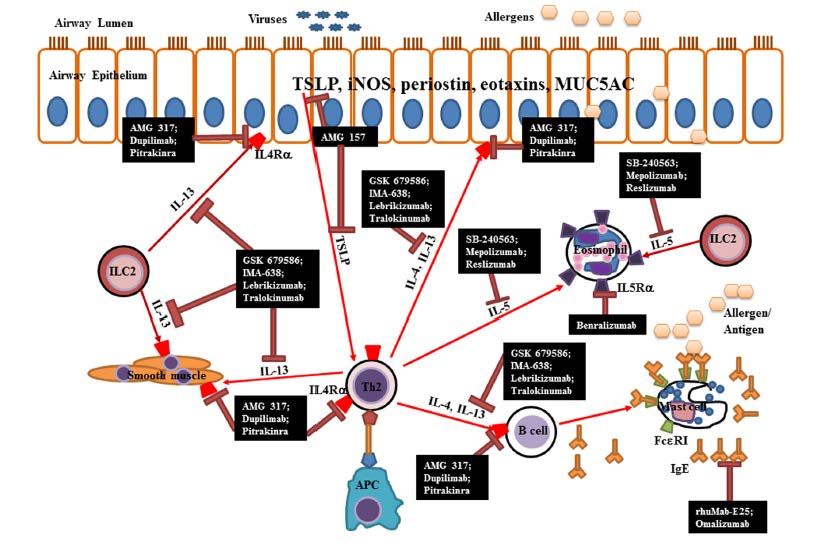
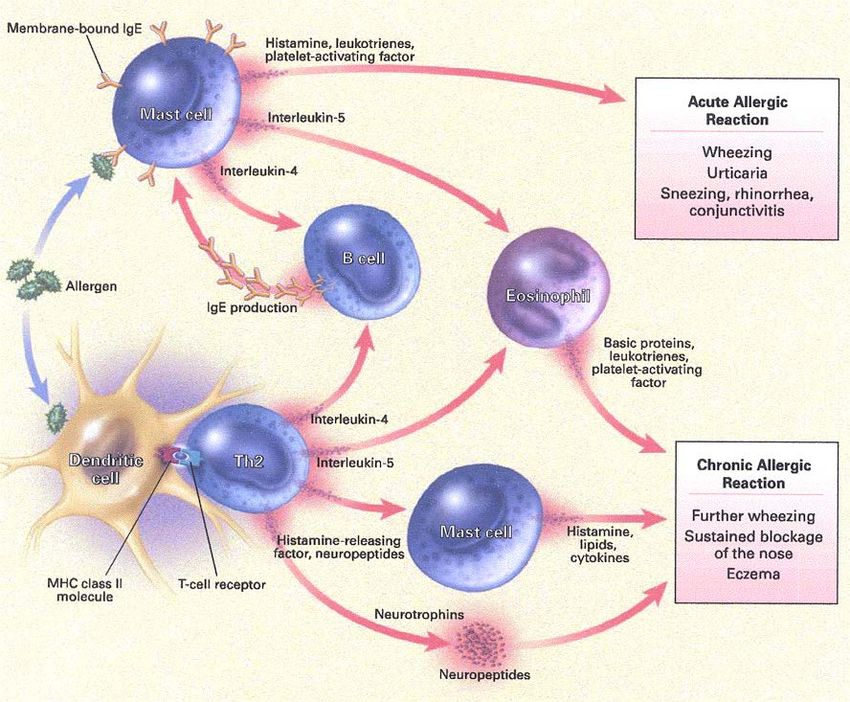
Asthma is an inflammatory disease

                              Bel, E ERSJ, 2015
Asthma: The scale of the problem

               5.4 million                                                                                  Every 10 seconds
                                                                                                            someone is having a potentially
               People living with asthma
                                                                                                            life-threatening asthma attack
               in the UK
                                                                                                            in the UK

      Every day, the lives of       three families  are devastated by                                           …yet   two-thirds      of these
      the death of a loved one to an asthma attack…                                                             deaths are preventable

Asthma UK. Asthma facts and statistics [online] 2016. Available from: https://www.asthma.org.uk/about/media/facts-and-statistics/ [Last accessed:
December, 2016].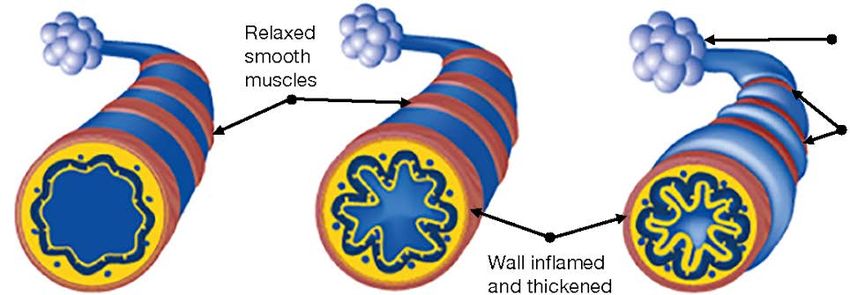
The NRAD report highlighted failings in medical care and
     prescribing

       The National Review of Asthma Deaths                                      Of 195 asthma deaths occurring between
       (NRAD) was the first national investigation                               February 2012 and January 2013:
       of asthma deaths in the UK.                                               • The majority of people (58%) who
       It aimed to understand the circumstances                                    died were thought to have mild or
       surrounding asthma deaths to identify                                       moderate asthma
       avoidable factors and make                                                • PAAPs were provided in only 44 (23%)
       recommendations to improve care and                                         individuals who died from asthma
       reduce the number of deaths.                                              • For 84 (43%) of those who died, there
       The report, published by the Royal College                                  was no evidence of an asthma review in
       of Physicians in May 2014, highlighted                                      the previous year
       issues with the quality of asthma care.                                   • Exacerbating factors, or triggers (eg
                                                                                   drugs, allergic reactions and viral
                                                                                   infections), were documented in only
                                                                                   half of those who died (95 patients)

NRAD=National Review of Asthma Deaths; PAAP=personalised asthma action plans
Royal College of Physicians. Why Asthma Still Kills? The National Review of Asthma Deaths (NRAD) [online] 2014. Available from:
https://www.rcplondon.ac.uk/projects/outputs/why-asthma-still-kills [Last accessed: December 2016]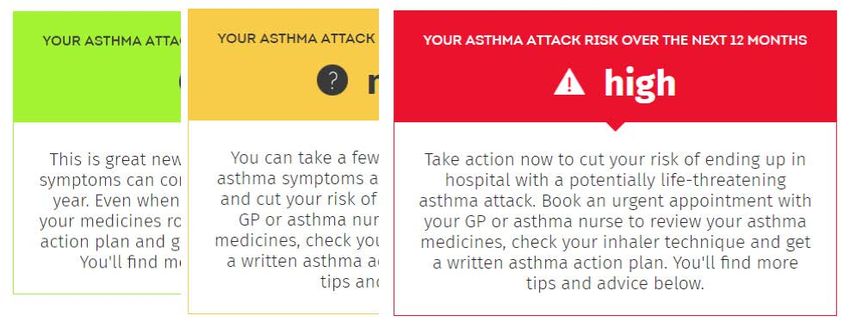
NRAD report: Excessive prescribing of SABAs
     and under-prescribing of preventer medication

                  Evidence of excessive prescribing                                                 Evidence of under-prescribing
                       of reliever medication                                                          of preventer medication

                    39%of patients who were on short-                                To comply with recommendations, most
                                                                                     patients would usually need at least
                     acting relievers at the time of death had
                     been prescribed more than

                    12 short-acting reliever inhalers                                12 preventer prescriptions per year
                     in the year before they died

                                                                                      38%of patients                and 80%     received

                                          50
                  4% had been                        reliever                        on preventer inhalers*
         prescribed more than                        inhalers                        received fewer than            fewer than 12

                                                                                     4 inhalers in the year leading preventer inhalers
                                                                                      up to their death…
*Of those patients for which the number of prescriptions was known. Among 189 patients who were on short-acting relievers at the time of death,
the number of prescriptions was known for 165. Among 168 patients on preventer inhalers at the time of death, either as stand-alone or in combination,
the number of prescriptions was known for 128.
NRAD=National Review of Asthma Deaths; SABA=short-acting ß-agonist
Royal College of Physicians. Why Asthma Still Kills? The National Review of Asthma Deaths (NRAD) [online] 2014. Available from:
https://www.rcplondon.ac.uk/projects/outputs/why-asthma-still-kills [Last accessed: December, 2016].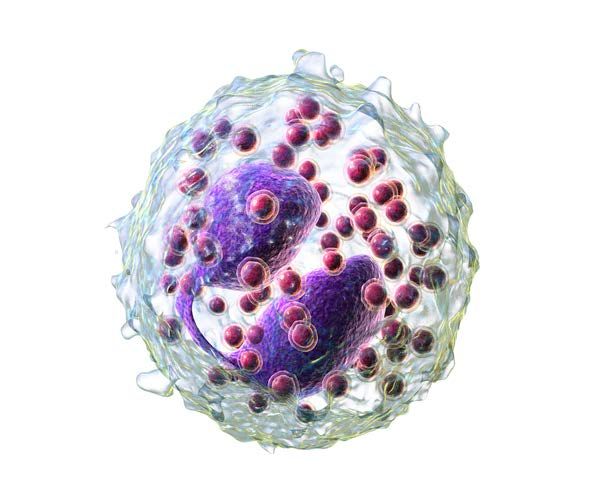
Guidelines

BTS/SIGN 2016 guidelines:
                                What has changed?
         Updated national guidance has been launched                                                    A key emphasis on medication
         to help reduce asthma attacks and save lives.1,2                                               to prevent future asthma attacks;
                                                                                                        ICSs remain the most effective ‘preventer’ drug2
                         A revision of the section on diagnosis1
                                                                                                     An emphasis on supported self-management1
                             No single test can definitively diagnose asthma
                                                                                                        Each patient should have an agreed written
                             HCPs should undertake a structured clinical                                PAAP, as it is key to the effective management of
                             assessment to assess the initial probability of                            their asthma
                             asthma

                         A revision of pharmacological management1,2
                             SABAs are no longer the first-line treatment for
                             asthma1
                             Instead, SABAs are the key ‘rescue therapy’
                             from symptoms or asthma attacks and can form
                             part of all treatment plans. They should rarely
                             be used on their own2

BTS=British Thoracic Society; ICS=inhaled corticosteroid; PAAP=personalised asthma action plans; SABA=short-acting ß-agonist; SIGN=Scottish
Intercollegiate Guidelines Network
1. British Thoracic Society. BTS/SIGN British guideline on the management of asthma [online] 2016. Available from: https://www.brit-
thoracic.org.uk/standards-of-care/guidelines/btssign-british-guideline-on-the-management-of-asthma/ [Last accessed: December, 2016];
2. British Thoracic Society. Updated national guidance launched to help reduce asthma attacks and save lives [online] 2016. Available from:
https://www.brit-thoracic.org.uk/pressmedia/2016/updated-national-guidance-launched-to-help-reduce-asthma-attacks-and-save-lives/ [Last accessed:
December, 2016].
BTS/SIGN 2016 guidelines:
                                What has changed?
         Updated national guidance has been launched                                                    A key emphasis on medication
         to help reduce asthma attacks and save lives.1,2                                               to prevent future asthma attacks;
                                                                                                        ICSs remain the most effective ‘preventer’ drug2
                         A revision of the section on diagnosis1
                                                                                                     An emphasis on supported self-management1
                             No single test can definitively diagnose asthma
                                                                                                        Each patient should have an agreed written
                             HCPs should undertake a structured clinical
                                                                                                        PAAP, as it is key to the effective management of
                             assessment to assess the initial probability of
                                                                                                        their asthma
                             asthma

                         A revision of pharmacological management1,2
                             SABAs are no longer the first-line treatment for
                             asthma1
                             Instead, SABAs are the key ‘rescue therapy’
                             from symptoms or asthma attacks and can form
                             part of all treatment plans. They should rarely
                             be used on their own2

BTS=British Thoracic Society; ICS=inhaled corticosteroid; PAAP=personalised asthma action plans; SABA=short-acting ß-agonist; SIGN=Scottish
Intercollegiate Guidelines Network
1. British Thoracic Society. BTS/SIGN British guideline on the management of asthma [online] 2016. Available from: https://www.brit-
thoracic.org.uk/standards-of-care/guidelines/btssign-british-guideline-on-the-management-of-asthma/ [Last accessed: December, 2016];
2. British Thoracic Society. Updated national guidance launched to help reduce asthma attacks and save lives [online] 2016. Available from:
https://www.brit-thoracic.org.uk/pressmedia/2016/updated-national-guidance-launched-to-help-reduce-asthma-attacks-and-save-lives/ [Last accessed:
December, 2016].
BTS/SIGN Structured Clinical Assessment
                                                                   Presentation with respiratory symptoms

                                                                        Structured clinical assessment

                                                                                Intermediate
                                High probability                                                                            Low probability
                                                                                probability of
                                   of asthma                                                                                  of asthma
                                                                                   asthma

                               Code as suspected
                                    asthma                                                                 Other
                                                               Poor
                                                             response
                                                                           SPIROMETRY                    diagnosis
                                   Initiation of                                                           likely
                                    treatment
                                                                       Options for investigations are:
                                                                     • Test for variability
                                                                     • Test for eosinophilic                               Investigate/treat for
                                 Assess response
                                                                        inflammation or atopy                                other more likely
                                   objectively
                                                                                                                                diagnosis

                                                                              Suspected asthma                    Poor
                                 Good response                               Watchful waiting (if               response
                                                         Good
                                                       response          asymptomatic) or commence
                                                                        treatment and assess response                        Other diagnosis
                                    Asthma                                       objectively                                   confirmed

                    Adjust maintenance dose. Provide self-
                    management advice. Arrange ongoing
                                  review

FEV=forced expiratory volume; FVC=forced vital capacity; PEF=peak expiratory flow
Adapted from British Thoracic Society. BTS/SIGN British guideline on the management of asthma [online] 2016. Available from: https://www.brit-
thoracic.org.uk/standards-of-care/guidelines/btssign-british-guideline-on-the-management-of-asthma/ [Last accessed: December, 2016].
The 2017 NICE guidelines
• Take a history but do not use symptoms alone without an objective test to
diagnose asthma
• Wheeze, cough or SOB particularly if diurnal or seasonal variation
• Ask about triggers
• Personal or family history of atopy
• Examination
• Listen for a polyphonic wheeze – normal examination common in asthma
• Diagnosis of asthma must be made using objective testsThe 2017 NICE guidelines
• Spirometry
– Offer if the diagnosis is being considered
– Remember that in between asthma exacerbations, many
asthmatics have unobstructed spirometry
• Exhaled Nitric Oxide (FeNO)
– Offer a FeNO to patients over 17 in whom a
diagnosis of asthma is being considered
– Positive test is FeNO≥40 ppb
– Smoking can lower FeNO both acutely and
cumulatively
– Inhaled ICS can also lower FeNOBTS/SIGN 2016 guidelines:
What has changed?
Updated national guidance has been launched A key emphasis on medication
to help reduce asthma attacks and save lives.1,2 to prevent future asthma attacks;
ICSs remain the most effective ‘preventer’ drug2
A revision of the section on diagnosis1
An emphasis on supported self-management1
No single test can definitively diagnose asthma
Each patient should have an agreed written
HCPs should undertake a structured clinical
PAAP, as it is key to the effective management of
assessment to assess the initial probability of
their asthma
asthma
A revision of pharmacological management1,2
SABAs are no longer the first-line treatment for
asthma1
Instead, SABAs are the key ‘rescue therapy’
from symptoms or asthma attacks and can
form part of all treatment plans. They should
rarely be used on their own2
BTS=British Thoracic Society; ICS=inhaled corticosteroid; PAAP=personalised asthma action plans; SABA=short-acting ß-agonist; SIGN=Scottish
Intercollegiate Guidelines Network
1. British Thoracic Society. BTS/SIGN British guideline on the management of asthma [online] 2016. Available from: https://www.brit-
thoracic.org.uk/standards-of-care/guidelines/btssign-british-guideline-on-the-management-of-asthma/ [Last accessed: December, 2016];
2. British Thoracic Society. Updated national guidance launched to help reduce asthma attacks and save lives [online] 2016. Available from:
https://www.brit-thoracic.org.uk/pressmedia/2016/updated-national-guidance-launched-to-help-reduce-asthma-attacks-and-save-lives/ [Last accessed:
December, 2016].The BTS/SIGN 2016 guidelines include a
revision of pharmacological management
Adult asthma: suspected Adult asthma: diagnosed
Diagnosis and Evaluation: ● assess symptoms, measure lung function, check inhaler technique and adherence
assessment ● adjust dose ● update self-management plan ● move up and down as appropriate
Continuous or
frequent use of oral
Additional add-on High-dose therapies steroids
therapies Use daily steroid
Initial add-on No response to LABA – tablet in the lowest
therapy stop LABA and consider Consider trials of: dose providing
Regular preventer increased dose of ICS adequate control
Increasing ICS up to
If benefit from LABA but
control still inadequate –
high dose Maintain high-dose
continue LABA and increase ICS
Addition of a fourth
Add inhaled LABA to ICS to
drug, eg LTRA, SR Consider other
Consider monitored low-dose ICS medium dose
theophylline, beta treatments to
initiation of treatment Low-dose ICS (normally as a If benefit from LABA but
Infrequent, control still inadequate - agonist tablet, LAMA minimise use of
with combination inhaler)
short-lived continue LABA and ICS and steroid tablets
low-dose ICS Refer patient to
wheeze consider trial of other
therapy - LTRA, SR
specialist care Refer patient to
theophylline, LAMA specialist care
Short-acting ß2 agonists as required – consider moving up if using three doses a week or more
Summary of management in adults
BTS=British Thoracic society; ICS=inhaled corticosteroid; LABA=long-acting ß-agonist; LAMA=long-acting muscarinic antagonist; LTRA=leukotriene receptor
antagonists; SABA=short-acting ß-agonist; SR=sustained release
British Thoracic Society. BTS/SIGN British guideline on the management of asthma [online] 2016. Available from: https://www.brit-thoracic.org.uk/standards-of-
care/guidelines/btssign-british-guideline-on-the-management-of-asthma/ [Last accessed: December, 2016].Treatment
• Infrequent wheeze with normal lung function
Short acting Beta2 agonist – Salbutamol
• If more symptomatic (eg nocturnal waking or symptoms 3x week)
Low dose inhaled corticosteroid - Beclomethasone (Clenil) or Fluticasone (Flixotide)
• If still uncontrolled
Add ICS/LABA combination or Montelukast
• Still symptomatic SEEK HELP!
High dose LABA/ICS combination – initially low dose ICS via MART and then consider
fixed dose LABA/ICS
Consider LAMA or theophylline. SEEK HELP!
NICE 2017What can specialist care offer?
• Difficult asthma is defined as • This assessment should be
persistent symptoms and/or frequent facilitated through a dedicated
asthma attacks despite treatment multidisciplinary
with high-dose therapies or difficult asthma service
continuous/frequent use of oral • Patients in specialist care may
steroids benefit from the other
• Patients with difficult asthma should medications, including:
be systematically evaluated, • omalizumab (anti-IgE
including: monoclonal antibody)
• confirmation of the diagnosis of • mepolizumab, reslizumab (anti-IL-
asthma, and 5 monoclonal antibody)
• identification of the mechanism of • immunosuppressants (eg
persisting symptoms and methotrexate)
assessment of adherence to
therapy
IL-5=interleukin 5
British Thoracic Society. BTS/SIGN British guideline on the management of asthma [online] 2016. Available from: https://www.brit-
thoracic.org.uk/standards-of-care/guidelines/btssign-british-guideline-on-the-management-of-asthma/ [Last accessed: December, 2016].Development of targeted therapies
based on asthma phenotype
• AMG317
• dupilimab
AMG 317; AMG 317; • pitrakinra
AMG 157 Dupilimab;
Dupilimab; SB-240563; • AMG157
Pitrakinra GSK 679586; Pitrakinra
Mepolizumab;
IMA-638; Reslizumab • GSK679586
Lebrikizumab;
Tralokinumab • IMA-638
SB-240563;
GSK 679586; Mepolizumab; • lebrikizumab
IMA-638; Reslizumab
Lebrikizumab; • tralokinumab
Tralokinumab
• SB-240563
Benralizumab
GSK 679586; • mepolizumab
IMA-638;
Lebrikizumab; • reslizumab
AMG 317; Tralokinumab • benralizumab
Dupilimab;
Pitrakinra • rhuMab-E25
AMG 317;
Dupilimab;
• omalizumab
Pitrakinra
rhuMab-E25;
Omalizumab
Fajt ML, Wenzel SE. J Allergy Clin Immunol 2015; 135: 299–310Omalizumab for asthma
Atopic asthma – perennial allergen
IgE 30-700* (approx)
4 courses of corticosteroids / year or
maintenance dose
16 week trial
* dosing table according to kg weight!Xolair dosing table
Targeting IL-5 or IL-5Rα
ADCC
Mepolizumab
Benralizumab Reslizumab
Eosinophil IL-5
Benralizumab: A humanised monoclonal Mepolizumab: A humanised monoclonal
antibody that depletes blood eosinophils in a anti-IL-5 antibody, specifically targeting the
rapid manner by specifically targeting the IL-5α α chain of
receptor on eosinophils and then recruits IL-5 and preventing interaction of
effector cells through ADCC IL-5α with its receptor
ADCC, antibody-dependent cell-mediated cytotoxicity; IL, interleukinMepolizumab / Reslizumab
Mepolizumab
Reslizumab
Mepolizumab:
Severe asthma with
blood eosinophil count ≥ 0.3x10⁹/L
4 or more courses of OCS / maintenance OCS
Reslizumab:
Severe asthma with
blood eosinophil count ≥ 0.4x10⁹/L IL-5
3 or more courses of OCS / maintenance OCSManagement of acute asthma
Assessment of acute asthma
Moderate acute asthma Life-threatening asthma
• Increasing symptoms PEF 50–75% best or predicted • SpO2NICE NICE quality statement 7: People with asthma who present with an exacerbation of their symptoms receive an objective measurement of severity at the time of presentation. NICE quality statement 8: People aged 5 years or older presenting to a healthcare professional with a severe or life-threatening acute exacerbation of asthma receive oral or intravenous steroids within one hour of presentation. NICE quality statement 10: People who received treatment in hospital or through out-of-hours services for an acute exacerbation of asthma are followed up by their own GP practice within two working days of treatment.
BTS/SIGN 2016 guidelines:
                                What has changed?
         Updated national guidance has been launched                                                    A key emphasis on medication
         to help reduce asthma attacks and save lives.1,2                                               to prevent future asthma attacks;
                                                                                                        ICSs remain the most effective ‘preventer’ drug2
                         A revision of the section on diagnosis1
                                                                                                     An emphasis on supported self-management1
                             No single test can definitively diagnose asthma
                                                                                                        Each patient should have an agreed written
                             HCPs should undertake a structured clinical
                                                                                                        PAAP, as it is key to the effective management of
                             assessment to assess the initial probability of
                                                                                                        their asthma
                             asthma

                         A revision of pharmacological management1,2
                             SABAs are no longer the first-line treatment for
                             asthma1
                             Instead, SABAs are the key ‘rescue therapy’
                             from symptoms or asthma attacks and can
                             form part of all treatment plans. They should
                             rarely be used on their own2

BTS=British Thoracic Society; ICS=inhaled corticosteroid; PAAP=personalised asthma action plans; SABA=short-acting ß-agonist; SIGN=Scottish
Intercollegiate Guidelines Network
1. British Thoracic Society. BTS/SIGN British guideline on the management of asthma [online] 2016. Available from: https://www.brit-
thoracic.org.uk/standards-of-care/guidelines/btssign-british-guideline-on-the-management-of-asthma/ [Last accessed: December, 2016];
2. British Thoracic Society. Updated national guidance launched to help reduce asthma attacks and save lives [online] 2016. Available from:
https://www.brit-thoracic.org.uk/pressmedia/2016/updated-national-guidance-launched-to-help-reduce-asthma-attacks-and-save-lives/ [Last accessed:
December, 2016].PAAPs are an essential component of supported
self-management
All patients (and/or their family or carers) should receive
self-management education, including a written PAAP
PAAPs should:
• Be easy to understand
• Be linked to the patient’s individual treatment goals
• Include information on trigger avoidance and the importance of a smoke-free environment
• Be supported by regular professional review
Other considerations for self-management
• For adults, written PAAPs are based on symptoms and/or peak flow values
• All patients admitted into hospital should undergo a review of their self-management skills,
and HCPs should ensure a PAAP is in place. A follow-up consultation should be considered
• During consultations for URTIs or other known triggers, ensure the patient knows what to do in the
event of their asthma deteriorating
PAAP=personalised asthma action plan; URTI=upper respiratory tract infection
British Thoracic Society. BTS/SIGN British guideline on the management of asthma [online] 2016. Available from: https://www.brit-
thoracic.org.uk/standards-of-care/guidelines/btssign-british-guideline-on-the-management-of-asthma/ [Last accessed: December, 2016].There are resources to help patients assess their risk of
having an asthma attack
Example questions
1. In the last month, have you had difficulty sleeping due to your asthma (including cough
symptoms)?
2. Has your asthma interfered with your usual daily activities (such as with your work, housework
or exercise)?
3. Have you had an asthma review with your GP or asthma nurse in the last 12 months?
Asthma UK. Asthma attack risk checker [online] 2016. Available from: https://www.asthma.org.uk/advice/manage-your-asthma/risk/ [Last
accessed: December, 2016].Thank you
Dr Alexandra Nanzer-Kelly
Consultant Respiratory Physician
Royal Brompton and Harefield HospitalsYou can also read


