Treating acute exacerbations of COPD and asthma in 2019 - what's different? - Dr Paul Walker University Hospital Aintree and University of Liverpool
←
→
Page content transcription
If your browser does not render page correctly, please read the page content below

Treating acute exacerbations of
  COPD and asthma in 2019 –
       what’s different?
              Dr Paul Walker
      University Hospital Aintree and
          University of Liverpool
The biggest opportunity to improve acute
 respiratory care is to better implement
              what we know

Organisation of care is vitally important to
           improving outcomes
COPD Exacerbation
“A sustained acute worsening of the person's symptoms from
their usual stable state, which goes beyond their normal day-to-
day variations”

                                               Burton et al. J Telehealth Telecare 2015
Acute COPD Management
• Bronchodilators – pMDI plus spacer vs. DPI vs. nebulised: no
  difference (van Geffen WH, Cochrane review 2016) but nebulised may
  be easier for some patients
• Antibiotics – 5 day course adequate if clinically indicated (NICE 2018)
• Corticosteroids – oral, lower dose and 5-7 days now established as
  effective as higher doses, intravenous or 10-14 days
• Aminophylline – no evidence of efficacy, more side effects. Not
  recommended
Antibiotics
Trust your clinical assessment – change in phlegm required: colour >
volume and thickness
Antibiotic Treatment for AE COPD
First line
Amoxycillin 500mg tds for 5 days
Doxycycline 200mg then 100mg daily for 5 days
Clarithromycin 500mg bd for 5 days
Second line
Any first choice alternative above
Alternative antibiotic
Coamoxiclav 625mg tds for 5 days
Levofloxacin 500mg daily for 5 days
Cotrimoxazole 960mg bd for 5 days

                                                COPD AE Antimicrobial Prescribing; NICE 2018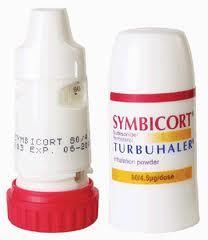
Corticosteroids

    FEV1 improved 90ml/day active vs. 30ml/day     Median length of stay 7 days active vs. 9 days
    placebo through day 1-5 (p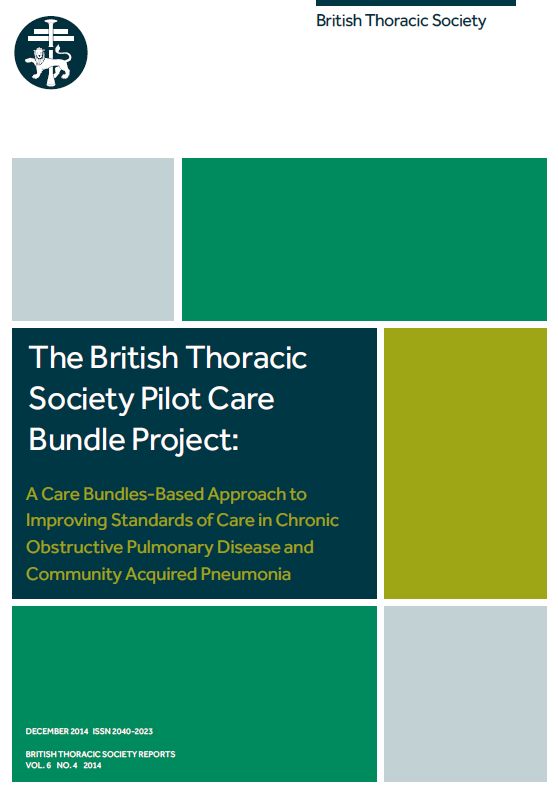
RCT Aminophylline vs. Placebo in AE COPD
80 subjects with no significant acidosis, loaded with 5mg/kg aminophylline then
0.5mg/kg/hr
Treatment stopped by clinician (not researcher) and f/up 5/7 plus discharge day

                 Aminophylline   Placebo
                    (n=39)        (n=41)
Deaths                0            2        NS
Days of               1.7          2.3     p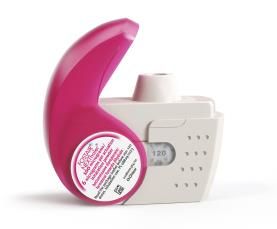
COPD Home Care Models
                        Patient Seen by GP
                        Acute Exacerbation

                                                          Admission Prevention
                    Seen in A&E/Admissions Unit

Early       Immediate Supported         Admission
                Discharge
Discharge
                          Supported Early         Normal Discharge
                            Discharge

Community Support
                                    Community Support      No Community Support
ESD (100)            Hospital (50)

                     Matched at baseline
     192/583 (33%) patients eligible, 150/583 (26%) entered
            50% on antibiotics and 37% on oral CS
Early readmissions             9%                    NA
Hospital Stay                  NA                 5 days
Mean visits                    11                    NA
90-day                       31%                    32%
readmissions
90 day mortality               9%                    8%
                                                     Davies et al. BMJ 2000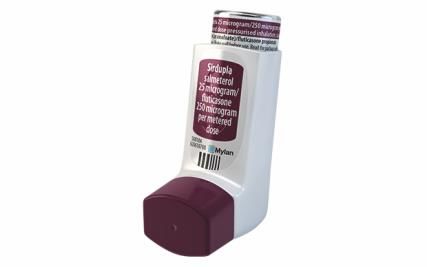
COPD Discharge Care Bundle

https://www.brit-thoracic.org.uk/document-library/audit-and-quality-improvement/cap-and-copd-care-bundle-docs-2016/copd-discharge-care-bundle/
BTS COPD Care Bundle Project
         • 19 hospitals participated in admission care bundle and 17
           discharge care bundle
         • 659 / 2263 people admitted with AE COPD received
           discharge care bundle
         • Completion rate rose throughout study

          Odds ratio of receiving measures of ‘Good Care’ when
          receiving bundle vs. not receiving:

                                                    Calvert et al. Thorax 2016
Reducing the Hospital Burden of AE COPD • Do your respiratory team change work plan between winter and summer? • When you see people regularly hospitalised with COPD but impacted by social support, anxiety, depression what do you do about it? What services do you have available? • Do you have an admission prevention and early supported discharge scheme locally – if not, why not? • Are you meeting BPT for COPD? Do you have an effective COPD discharge care bundle?
• 195 people who died of asthma in
  Feb 2012 –Jan 2013
• Many patient had inadequate
  treatment and monitoring, no written
  SMP and excess SABA use (12+
  inhalers/year)
• Increased death in the month
  following discharge from hospital
• Greater risk of death with severe
  asthma and one or more adverse
  psychosocial risk factor
Case Study
• 37 year old woman with known asthma and worsening breathlessness and
  chest tightness for 36 hours. Cough but little phlegm
• Hospitalised with asthma last winter
• Started rescue pack of prednisolone 40mg earlier today and using salbutamol
  200mcg at least 8-10 occasions last 24 hours
• Smoker 10/day. Works in bakery. Eczema and hay fever
• Treated for depression, lives with 9 year old daughter
• PEF at best 480 (predicted 400)
• Prescribed salbutamol 200mcg PRN, montelukast 10mg nocte, symbicort
  400/12 1 puff bd and tiotropium 18mcg daily
• On examination weight 89kg, saturations 93% air, pulse 116, BP 150/80,
  apyrexial, wheeze throughout chest but no crackles
• Best PEF 200
                 1. Is she high risk for a fatal or near fatal asthma attack?
                 2. Does she have acute severe asthma?
Asthma – high risk of fatal/near-fatal attack
SIGN/BTS Draft Asthma
Guidelines 2019Acute asthma severity • Admit anyone with any feature of
life-threatening or near-fatal
asthma
• Admit anyone with a severe
feature after initial treatment
• If PEF >75% after treatment
caution discharging:
• Still have significant symptoms
• Concerns about adherence
• Lives alone/social isolation
• Psychological problems
• Physical disability or learning
difficulties
• Previous near-fatal asthma
• Attack while on steroids
• Presentation at night
• Pregnancy
SIGN/BTS Draft Asthma
Guidelines 2019Acute Asthma Management • Oxygen – saturations 94-98% • Bronchodilators – beta-agonist pMDI or nebulised with oxygen. Can use continuous. Ipratropium if severe or if poor initial response • Corticosteroids – oral 40-50mg daily if can be swallowed and retained or hydrocortisone 100mg qds • Aminophylline iv – no evidence of efficacy. Not recommended • Beta-agonists iv – if unable to reliably use inhaled therapy or ventilated • Magnesium – consider single dose if severe. Evidence inconclusive • Continue usual inhalers
Magnesium
• 1109 people presenting to A&E
  with acute severe asthma
• Randomised to iv magnesium
  (2g), nebulised magnesium or
  placebo
• Primary endpoints
  breathlessness at 2 hours and
  admission within 7 days
• No effect of magnesium on
  breathlessness
• iv magnesium OR for
  hospitalisation 0.73 (CI 0.51-
  1.04; p=0.083)
                                   Goodacre et al. Lancet RM 2013
Poor inhaler usage associated with:
Inhaler Technique • Activity limitation
• More breathlessness
• Greater use of reliever inhaler
• 1664 subjects; COPD and asthma • Poor disease control
• Mixture pMDI and DPI • Sleep disturbance
• Inhaler misuse associated with:
• Older age
• Lower educational attainment
• Lack of instruction from
healthcare provider about inhaler
technique
Melani et al. Resp Med 2011Discharge and Follow-up • Written asthma action plan before discharge and medication optimised • Primary care practice is informed within 24 hours of discharge from ED or hospital following - ideally to a named individual responsible for asthma care within the practice, by means of fax or email. • Follow-up in primary care within 2 working days – GP or asthma nurse (NICE quality standard 4) • Follow-up in secondary care in a month – doctor or nurse
Questions
Summary
• Treatment of AE COPD and asthma hasn’t changed dramatically but
  we have greater clarity about some aspects
• Admission prevention/early discharge, community support and
  discharge bundles are a key part
• Recognition of which asthmatics do badly matters
• Inhaler technique is vital for airway disease
• Follow-up of asthma patients may be the key to improving outcomes
  and reducing deaths
You can also read


