The Experience of Universal Credit: A Tenant's Perspective - Written by Amanda Protheroe, Jane Mudd and Marc Fury - Community Housing Cymru
←
→
Page content transcription
If your browser does not render page correctly, please read the page content below
The Experience of Universal Credit 03.17.qxp_Layout 1 07/03/2017 14:44 Page 1

                 The Experience
               of Universal Credit:
              A Tenant’s Perspective

                                                                                Written by Amanda Protheroe,
                                                                                     Jane Mudd and Marc Fury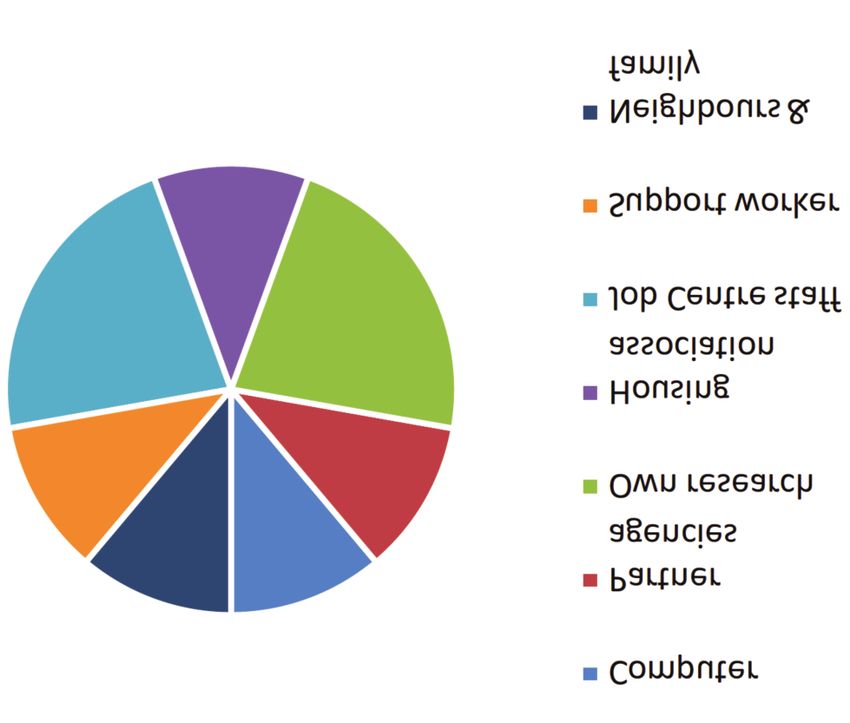
The Experience of Universal Credit 03.17.qxp_Layout 1 07/03/2017 14:44 Page 2

              Foreword
              Housing Associations in Wales provide 158,000 affordable homes and housing related services to around 10%
              of the Welsh population. They offer traditional as well as specialist social housing for the elderly, disabled and
              those with additional needs. They provide a wide range of other support services for tenants and residents in
              their communities and play a major role in the Welsh economy.

              Following the Welfare Reform Act 2012, we secured funding from the Oak Foundation to undertake several pieces
              of work under a ‘Welfare Defence Programme’. This included a piece of research to explore the impact of
              Universal Credit in Wales (UC).

              Universal Credit offers significant risk to both tenants and landlords in Wales. Currently Welsh housing
              associations receive over £350 million per year in rent payments for working age tenants via the housing benefit
              system. Under the new Universal Credit payment this money will go directly to tenants who will need to pay
              their rent themselves. Community Housing Cymru has worked with the Department for Work and Pensions
              Strategic Landlord Group and Welsh Operational Group to mitigate these risks.

              Housing Associations have invested in several areas of support for tenants such as employment and education
              initiatives, and advice and information to help tenants to the new system.

              Housing Associations have also engaged in many pilots to ensure good practice is shared on the new system,
              including Bron Afon Community Housing and Charter Housing’s (now Pobl) work in the Direct Payment
              Demonstration Project 2012. Universal Support delivered locally was trailed by housing associations based
              in Blaenau Gwent and NPT Homes and Cardiff based housing associations are part of the trial of Trusted Partner
              Status 2016.

              We are grateful to the Oak Foundation for not only supporting this piece of research, but for the support given
              to the Your Benefits are Changing team between 2012 and 2017. This team played a key role working with housing
              associations to mitigate the impact of welfare reforms, including raising awareness about the introduction of
              Universal Credit. Thanks also to the Gwent Welfare Reform Group and our national Universal Credit Network for
              their comments and support.

              This independent research, undertaken by the team at Cardiff Metropolitan University, gives us qualitative insight
              into the impact of Universal Credit in Wales on tenants. The research is the first academic research in Wales
              about Universal Credit from the tenant’s perspective; uniquely, undertaken by the tenant’s themselves. We hope
              it will provide food for thought for further discussions around the housing and support services required in Wales
              under the pressures of welfare reform, in particular UC.

              Stuart Ropke,
              Chief Executive, Community Housing Cymru.
The Experience of Universal Credit 03.17.qxp_Layout 1 07/03/2017 14:44 Page 1

              Acknowledgements
              The Cardiff Metropolitan research team would like to thank Community Housing Cymru for commissioning this
              research and the Oak Foundation for funding it.

              Thanks to the housing association staff who facilitated us meeting with tenants, helped arrange venues and
              helped identify potential tenant researchers. Thanks too to those who helped with the training itself.

              Sincere thanks to the participants of all of our focus groups who shared their views and who contributed to
              finding and suggesting solutions to this issue.

              Finally, huge thanks to our team of peer researchers who undertook training, created the questions and took
              on huge challenges when facilitating the focus groups. The quality of the data is a result of their work.

              Amanda Protheroe, Jane Mudd, Marc Fury, Cardiff Metropolitan University, February 2017

                                                                                                                            1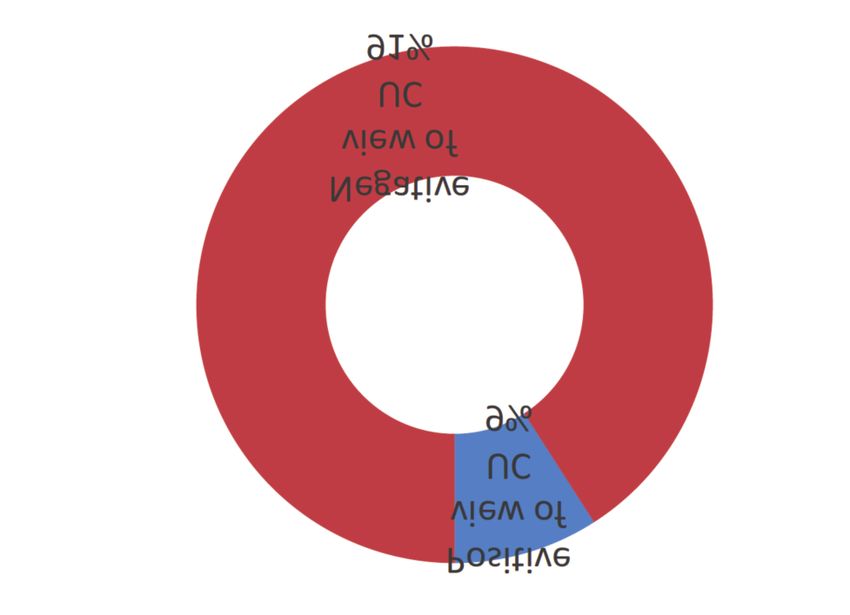
The Experience of Universal Credit 03.17.qxp_Layout 1 07/03/2017 14:44 Page 2

              1. Introduction

            “No one has tried to say ‘you have got these problems and we need to help you through them’
             and I think we need to get into partnership with local authorities, housing associations and
             other groups to make sure people’s problems and barriers are dealt with coherently.”
              Lord Freud, former Minister for Welfare Reform, discussing Universal Support in evidence from DWP to the
              Public Accounts Committee, February 2017

              There has and continues to be academic, operational               Universal Credit in Wales before moving to focus upon
              and strategic work around the issue of reducing the               the methodology and subsequent findings of the
              barriers to engage in the new Welfare Reform                      research. From these the report highlights a number
              landscape, particularly Universal Credit (UC). More               of points for further consideration.
              recently, the DWP (2016) themselves have evaluated
              their Universal Support pilot and how it can help                 The tenants and researchers, all eligible for claiming
              mitigate budgeting and digital barriers. Further                  or about to claim UC, were able to provide a clear
              studies (Power 2014, NFA & ARCH, 2016) have explored              insight into what mattered to them. The result was a
              the emerging impact on landlords and tenants and                  discussion around many areas and issues that really
              the reasons for benefit related arrears are becoming               impacted on the tenants. Some points of discussion
              better understood.                                                were very specific, about a process, some emotive but
              There has been some research undertaken on the                    all highly relevant.
              impact of the new system on tenants, however, this
              study aims to present the tenant’s perspective, using             The impact of this report and the quality of the findings
              research undertaken by the tenants themselves; the                are a reflection of the commitment and skills of the
              questions and areas for discussion decided by them.               peer researchers, who facilitated the sessions with
              The report sets the context for the introduction of               kindness, dignity and empathy.

     2
The Experience of Universal Credit 03.17.qxp_Layout 1 07/03/2017 14:44 Page 3

              2. Background to the Study
              In 2010 the UK coalition Government announced a                   The latest timetable for the roll out of Universal Credit
              wide ranging programme of welfare reform through                  in Wales was recently published by the DWP (2016).
              the Welfare Reform Act 2012. Universal Credit was                 The new timetable sets out an 18-month period of
              introduced as part of these reforms and the Universal             transition from the ‘Live’ service to the ‘Full’ digital
              Credit Regulations 2013 came into force on 29th April             service across Wales. The ‘Full’ service brings further
              2013. The national roll out of Universal Credit began             challenges for Universal Credit claimants such as an
              on 16 February 2015.                                              interactive online account rather than just an online
                                                                                application and 18 to 21 year olds will not be entitled
              Universal Credit combines six means tested benefits                to financial support for housing costs.
              and tax credits including; Income based Jobseeker’s
              Allowance, Income based Employment and Support                    Organisations across England and Wales are also
              Allowance, Income Support, Child Tax Credits, Working             experiencing an increase in demand for in-house
              Tax Credits and Housing Benefit into one single                    money and debt advice services, financial inclusion
              monthly payment. The benefit is paid in arrears to                 services, external debt and financial advice
              simulate work payment schedules and includes                      (independent advice services and credit unions),
              entitlement to housing costs.                                     foodbanks and applications to local hardship
                                                                                funds such as the Discretionary Assistance Fund (NFA
              Within the Welsh context the Your Benefits are                     & ARCH, 2016). The new services will continue to
              Changing team at CHC has worked with members in                   present challenges in terms of digital, financial, and
              live Universal Credit areas to consider what                      social inclusion and the way in which this impacts
              information could be obtained to assist the sector in             upon citizens will define how future services can
              mitigating the impact of this new benefit. After                   be delivered.
              discussions with the Gwent Welfare Reform
              Partnership (GWRP) it was proposed that the research              The Cardiff Metropolitan University team has trained
              could also include work with tenants who were likely              the peer researchers - Universal Credit claimants
              to move to Universal Credit (UC) in the future, firstly            themselves, in unique techniques enabling them to
              raising awareness of the change but secondly                      complete several workshops with their peers. The
              to engage tenants in conversation about future                    training in itself has been a significant undertaking for
              services and engagement opportunities. The                        those who agreed to participate. Cardiff Metropolitan
              Cardiff Metropolitan University team have undertaken               University has also been able to accredit the research
              this study, funded by the Oak Foundation, into the                training as a short course which means that the
              impact of the introduction of Universal Credit (UC) on            tenant peer researchers will also be awarded with
              tenants in Wales. The study has employed peer                     transferable academic credits.
              research, to ascertain the views of tenants, on the
              barriers to engaging with their landlords on this                 Engaging tenants in discussion about their awareness
              issue and how they would like future services and                 and experiences of UC, this study has aimed to present
              engagement opportunities to be modelled.                          the authentic voice of the tenants. The information
                                                                                and feedback gathered on a range of issues relating to
                                                                                Universal Credit will also allow organisations to better
              The Introduction of Universal Credit in Wales                     plan for the migration of legacy benefits through 2018
                                                                                to 2021.
              At the end of quarter 1 (June 2016) the DWP reported
              that there were 281,014 claimants in the UK of which
              15,347 were in Wales. At that time housing associations
              of Community Housing Cymru reported that they knew
              of 933 tenants receiving Universal Credit (6.1% of
              claimants) and that 238 (25.5%) had been switched to
              a Managed Payment via an Alternative Payment
              Arrangement (APA) because of a vulnerability. Of these,
              131 (14.1%) were making third party deductions for
              rent arrears. The total rent arrears for these
              933 tenants was £419,818.28 – an average of £449.97
              per tenant.

                                                                                                                                            3
The Experience of Universal Credit 03.17.qxp_Layout 1 07/03/2017 14:44 Page 4
3. Research Methods
When considering how best to address the key The advantages of using this method became obvious
questions on the impact of UC on claimants and the during the training and whilst the researchers were
desire to understand the barriers preventing claimants undertaking focus groups. There was a mutual
from fully engaging with their landlords, it was felt that understanding of the research topic and researchers
peer research could address some of the issues by and participants used a shared language within the
directly working with those claimants. The intent focus groups. This helped both build a rapport and
behind peer research is to provide meaningful support effective communication, (Alderson, 2001
opportunities for community involvement in research, cited in Fleming et al., 2009). The method reduced the
while enhancing the potential for individual gatekeeping role of academics and organisations, as
empowerment and local capacity building (through peer researchers were also claimants, thus enhancing
skills development). (Roche B et al 2010) the voice of the tenants.
What is Peer Research? The Research Process
Peer research is developed from the traditions of The sample population used, were those affected by
‘participatory’, ‘action’ and ‘empowerment’ research. It the welfare reforms; that is to say, working aged
is a form of qualitative research methodology which persons that reflect the mix of the tenants, who are
has been used very successfully to gather rich, receiving UC or will be in the near future.
experiential data from participants based upon their
lived experience of the issue. It has been widely used The key to effective peer research is to design a
in social policy based research in the UK (NCCOPE methodology that minimises bias, the inappropriate
2017). As the focus of this study is the tenant disclosure of information and any risk to the health
experience it was decided that members of the and safety of the researchers. In order to achieve this,
research target group (in this case tenants and the following methods were used:
claimants) adopt the role of active researchers,
The researchers underwent an intensive, two day
interviewing their peer group about their experiences.
training course which included ethics, bias awareness
and how to frame questions.
Peer research can also adopt a ‘bottom up’ approach,
where those individuals who are going to be directly
Themes and questions to be used in the focus groups
affected by the research play an active role in the
were formulated by the peer researchers. In line with
process. The standpoint here is that peers are ‘experts'
expected outcomes (Alderson 2001 cited in Fleming
within their field of experience, and so peer research
et al. 2009), the academic researchers learnt a great
can bring exper¬tise that is informed by life experience
deal about the nature of the sample group and what
to research projects; including perspectives on the
emerged from this were some potential issues around
issues at hand and insights about solutions.
language and communication (literacy being one
issue). This fed directly into the design and wording of
Peer research methodology was employed because
the questions which were enhanced by the ‘shared
the research team recognised that the ‘insider’
language and communication’. Peers had extensive
knowledge of the peer researchers and their
knowledge about the subject being researched and
assistance in framing the research questions and in
positively influenced research design to provide
interpreting the data may facilitate enhanced
valuable insights. It was decided to use visual prompts
understanding of the subject (Aldridge 2012).
and infographics to enhance the focus group
questions. Examples can be seen in the appendix.
The approach also has the potential to empower
participants by giving them voice and minimise power
Each focus group was supported by an academic
imbalances between the researcher and participant
member of the Cardiff Metropolitan University
which may reduce bias and enhance the quality of
team. Tenants did not question their own housing
data collected. Thus having the potential to reduce
association group.
hierarchies within the research environment (between
researcher and researched but also between
'academic' and 'peer’ researcher).
4The Experience of Universal Credit 03.17.qxp_Layout 1 07/03/2017 14:44 Page 5
Key Themes
After the training, the peer researchers formulated
questions which fell into three themes:
○ Experiences of Universal Credit
○ Barriers to engagement
○ Solutions
The peer researchers placed great emphasis on
seeking solutions. During the sessions there was a
strong sense of wanting to find solutions to the issues
rather than debate the rights and wrongs of UC.
Each one of these areas has specific questions which
were checked for bias. The use of visual prompts
assisted the ability to explore some areas without
guiding participants to a solution or opinion.
The Focus Groups
Guidelines on peer research (Roche B et al 2010)
do not suggest a representative sample size; the
key is to be representative. In this instance, the
housing associations used represented the sector
differences in size, from community to LSVT in six local
authority areas.
The focus groups consisted of tenants between 18 and
60 who were claiming or eligible for UC. Seven peer
researchers sampled 19% of the sample population.
All information was recorded and guarantees of
anonymity were given in writing to those taking part.
The peer researchers had extensive experience of UC
and their willingness to share personal experiences
and difficulties enabled the research to be conducted
in a sensitive and informed manner.
5The Experience of Universal Credit 03.17.qxp_Layout 1 07/03/2017 14:44 Page 6
4. The Findings
Experience of Universal Credit “Your benefits are changing…they plastered
that on buses and everything but it turns out
Have you received information about UC most people got the information from their
neighbours, family…”
“Whereas with other tenants, we’re going
through the same thing, we can relate to each
other on that level.”
Some participants were motivated to attend the
research focus groups in order to find out more
information about Universal Credit, to express their
concern about it or to tell their neighbour’s stories.
“Well when you’re at the bottom you’ve got to
care about each other because the people at
All the research participants knew about UC and the top certainly don’t give a shit.”
displayed quite detailed knowledge on some of its
aspects. As displayed in the above chart, 94% of the Research participants who had accessed information
research participants had received information about from the Job Centre, work agencies or by telephoning
UC. Some participants were confused about the UC did not have a positive experience overall.
purpose of the introduction of UC and asked why it had
been introduced. “They don’t look at me as a person”
“You feel punished for losing your job”
How did you find out about UC?
“Left hand doesn’t know what the right hand
is doing”
“An absolute technology balls up”
The cost of contacting organisations was prohibitive
for some:
“I replied to their texts and it cost me £18”
Some aspects of universal credit were viewed
positively, such as an easier administration process for
changing working hours.
It was the implementation, communication and
The information had been mainly provided by Job management of UC that caused real concern.
Centre staff or through participants researching the
subject themselves. Participants had very positive
comments about the support they had received by
support workers and named them often, some
participants couldn’t read and relied on their support
worker for assistance. A key source of information for
participants was family, friends and neighbours who
often provided clarity about the subject.
6The Experience of Universal Credit 03.17.qxp_Layout 1 07/03/2017 14:44 Page 7
Positive/Negative View of UC “People haven’t worked here for years and
then suddenly they have got all this money”
○ The attitude of staff and communication from
Universal Credit and work agencies was
commented upon
“Because they don’t understand, like I said
earlier, they’re just sat behind a desk earning
16 odd grand a year, they couldn’t give a crap
about me and my problems.”
○ The wait for money caused anxiety, with “But you’re actually here to help me, I’m on a
participants mentioning a 4 to 8 week wait to journey, and the one day the woman in there,
receive Universal Credit payment
she was really loud, she was screaming at me
○ Several participants were using food banks as and the whole of the office was looking and I
a direct result of these waiting times shrunk down to the size of a sugar grain you
○ The time taken to process applications and know? And I walked out!
the amount of money given as a lump sum
was causing confusion for some people I thought, hang on a minute, you’re here to
support me or you know, to have a go at me
you know, and it really affected me”
“Well…? gave me a form to sign and I said I’m
not signing it because I don’t understand it,
○ The wait for implementation caused huge
and she said fair enough but your account’s concern. There was discussion around the
going to get in arrears, she said there’s going date Universal Credit would be received
to be a £5 shortfall every week that the
Universal Credit payments aren’t going to
cover on your rent. That’s how I took it… “I live week by week, when it happens we’ll be
So you’ve got to find £5 yourself? And I just in dire straits”
thought, I’m going to wait to see if I get
paid …… extra.”
“… because I haven’t been paid, I had a word to
say… when am I going to get paid, and how
much am I going to get paid? And then I just
go from there, rather than overwhelm myself
and worry about something that hasn’t
happened yet.”
○ The amount of money given as a lump sum
was also viewed by some as a potential issue
7The Experience of Universal Credit 03.17.qxp_Layout 1 07/03/2017 14:44 Page 8
Engagement with Landlord: How does your landlord get in touch with
you to discuss rent or benefits?
○ The most common form of communication
used by participants with their landlord was
the phone, followed by visit to the office.
○ The reception that participants got was vital
to their confidence and ability to engage in
the rent issue, some had positive experiences
and some not so positive.
“I’m too proud to say can you help me please…
you feel you are being judged.”
“If that person (reception staff) is a bit “oh well
wait” it’s going to get worse from there and I
“They (tenants) will say, I need my glasses and
haven’t got through the door, you know just
pretend they can’t find them…”
one person…”
The issue of literacy came up frequently during the “I have got more tenants that come to me
focus groups, often as a response to the fact that who are illiterate than come here (the
letters are used by landlords. Some liked the letters, housing association)
whilst others felt that many people couldn’t read or
understand the letters. “I am always amazed by the numbers of older
tenants who won’t admit to literacy problems
but say, oh can you help me fill that form in,
I’ve got bad hands?”
8The Experience of Universal Credit 03.17.qxp_Layout 1 07/03/2017 14:44 Page 9
Barriers to engaging with your landlord “Scare you off, those sort of letters, make you
wanna do a runner”
Digital
access/skills “I know people who are literally panicking, if
Courage or your level of understanding is only a few
confidence words you are just going to panic”
to contact
Illiteracy
“I thought, I can’t open that letter and left it for
Don’t want to a month”
share financial
problems
Words used by participants to describe how they feel
To afraid to
open rent letters when they receive rent arrears letters:
Ignore letters
Too embarrassed
to contact threatening
Can’t articulate
panic angry
scary
anxiety
how they feel
same
Too proud to
ask for help
Cost of
communication
Participants in one research group described the
annoying
housing association rent arrears letter as ‘the eviction’
letter. They were ‘rude and nasty’. blunt deplorable
An example was given of how two tenants had
received the same letter, one for £2.12 arrears and the “Just remember these are human beings sat in
other for £300 arrears. When the tenant with £300
their home…. What’s going on in their life?”
arrears discovered this, she was no longer worried
about paying her arrears. It had appeared to her
that everyone had the same letter, regardless of “I don’t care about generated letters”
the amount.
○ The internet/social media was not well used
The ‘eviction letter’ caused most discussion in the
to discover information or contact the
focus groups and the participants spoke about the
housing association.
rent arrears letters without connecting them to
the positive support they were getting from the ○ Participants were confident in their landlord’s
housing association. ability to help them deal with money matters.
○ The use of formal letters for rent arrears It was the housing association support staff, often
seemed to be ineffective named, who the participants valued. They felt there
was a clear disconnect with the housing association
○ Participants said it discouraged them from
staff who were writing the rent arrears letters and the
contacting the association
supportive staff.
There was an appreciation that rent had to be
collected by housing organisations but those who
went the “extra mile” were valued greatly.
9The Experience of Universal Credit 03.17.qxp_Layout 1 07/03/2017 14:44 Page 10
Solutions: How would you prefer to be communicated
with about your rent?
The main solutions suggested by the participants
concentrated on 3 main areas:
1. The rent arrears letters
2. How tenants are told about UC, how
long it takes to receive money and
what money will be received.
3. How tenants can work with
their landlords.
“People need to feel comfortable to talk”
“Remember letters are going to human beings
in their homes”
The timing of information was very important with
“Try not to alienate your tenants” many UC claimants awaiting information as to how
much they would receive.
“You don’t need know what else is going on in
their lives” Participants had no way of knowing if rent increase
charges had been taken into account and urged for
“You have to know your client group” more communication between their landlord and the
Department of Work & Pensions.
“Say, look babe is there a problem because
you’ve missed payments?”
“Tenants have to keep the housing association 3. How tenants can work with their landlords:
informed too”
Participants suggested open surgeries and hubs with
“No big terminologies! Get back down to how available IT to help them look for work.
we really speak”
A friendly voice or face was very important to
participants, as was the person who supported them
1. The rent arrears letters: being available to help them.
Participants wanted the letter to be “gentle, kind, a
personal reminder” another word used was “tender”.
2. How tenants are told about UC, how long
it takes to receive money and what
money will be received:
Participants valued the focus groups as they could talk
to each other. Some suggested dealing with UC and
the DWP in groups, so that UC could be explained to a
small group at a time.
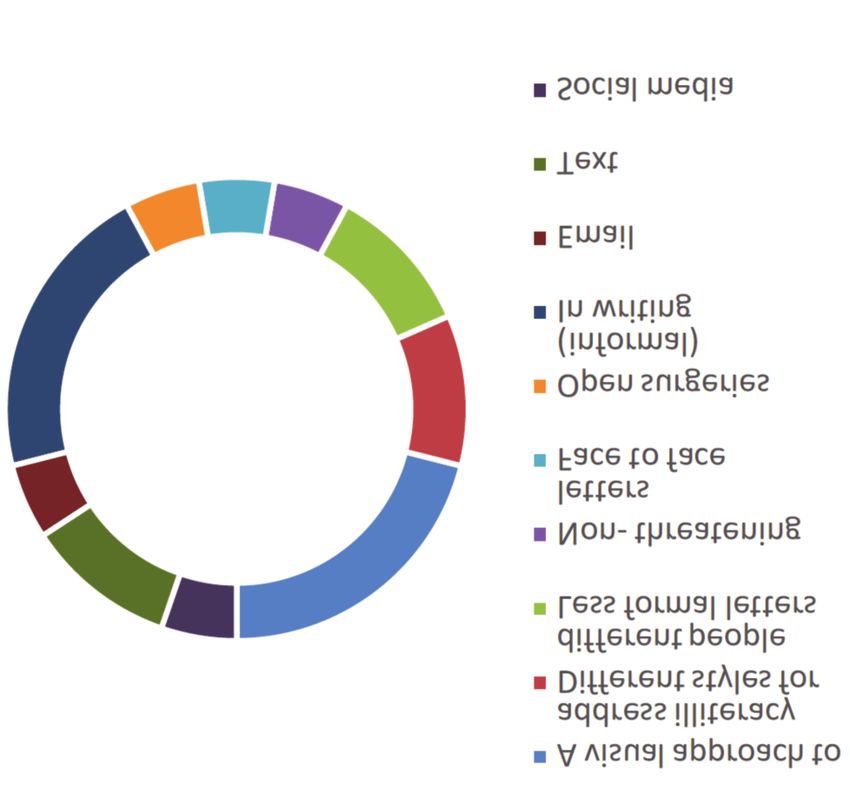
The use of info graphics (a visual communication tool)
was received really positively in the focus groups. Many
of the participants mentioned illiteracy as a barrier.
10The Experience of Universal Credit 03.17.qxp_Layout 1 07/03/2017 14:44 Page 11
5. Points to consider around the findings
A thematic analysis of the findings has results in three DWP/Partners: Implementation of
areas which merit discussion and consideration: Universal Credit
○ Impact and effectiveness of formal rent The findings of this study echo the CASE (2014) request
arrears process for a more people centred approach – if claimant is
○ Management, communication of UC, timing at the centre of activity then areas like housing and
of support sustaining a tenancy will be understood as crucial to
the ability of a person to work.
○ Re-setting of the relationship between landlord
and tenant, how to move closer to tenants. The length of time and issue of rent increases were
considered to be contributing to high levels of anxiety.
The Tone and Content of the Formal Rent Points to consider
Arrears Letters: ○ Working more closely with partners to place the
“Gentle, kind, a personal reminder “ claimant at the centre of process. The argument for
a relational approach, rather than a transactional
“Just remember these are human beings sat approach (Cottam, op.cit) could be considered here.
The DWP model of Universal Support begins this
in their home….what’s going on in their life”
process but. Closer work with the claimant more
centrally placed could be considered.
“I thought, I can’t open that letter and left it
○ Facilitate sessions for potential claimants so they
for a month” can support each other in questioning and
understanding the process of claiming. This mirrors
All participants realised rent was to be collected but the findings of the DWP (2016) report on Universal
wanted and valued a more supportive approach, this Support. Claimants are asking for it to be easier
is a view evidenced by other research in this area and cheaper to contact the DWP.
(Herden E, Power A et al, 2015).
○ Accelerate the use of landlord portal for housing
and rent increase information; this was causing
Points to consider
anxiety amongst tenants who were waiting to see
○ The rent protocol guidelines (2017) do not require if the rent increase had been applied.
formal letters to be in a specific style or manner.
Certain key information is required but “..And I thought, I’m going to see if I get paid
organisations could consider different approaches
extra and then just go from there, rather than
to the presentation and content of the letters.
overwhelm myself about something that
○ Consideration could also be given to offer an info
hasn’t happened yet”
graphic version of information, in addition to
letters. This could help address the barrier of
literacy issues. Claimants were very concerned about the ability to
manage money over the time frame and the wait for
○ Housing Associations could also consider how to claims to be processed caused huge worry
evaluate and analyse the impact and efficacy of
these letters and work with tenants to devise the
○ Consider reducing the time for claim to be
most effective approach. processed and increase frequency of payments.
One approach could be to evaluate the cost
effectiveness of using different methods of engaging Resetting the Relationship between
with claimants. There is increasing evidence (Shelter, Landlord and Tenant - “Who is
2016) that a supportive approach is more cost effective my Landlord?”
that a formal process driven approach. The Carnegie
Trust report (2017) echoes the impact of kindness on The welfare reform agenda has changed the
the effectiveness of the structural relationships. relationship between landlords and tenants (LSE 2015).
The opinion of the focus groups mirrors previous
11The Experience of Universal Credit 03.17.qxp_Layout 1 07/03/2017 14:44 Page 12
research (Power, Herden, 2015) which asks landlords ○ The methods of communication could be
to ‘reach out’ to tenants, be clear who the point of reconsidered in the light of limited internet use.
contact is and facilitate support. There are now several reports (Herden op cit) on
views of tenants which echo this. Tenants told us
Points to consider most people will use telephone or would use drop
in space to contact their landlord.
○ For Housing Associations, how is your association
understood by your tenants? If different
For claimants, incurred expense is often barrier to
departments are working in different ways with
effective and timely communication. Organisations
different agendas, how is this explained?
may wish to consider how they can help reduce this
○ Consider different models of delivery for example; cost to help facilitate cheaper methods of
consider the relational approach versus the communication and availability and accessibility.
traditional transactional approach (Cottam 2014).
One aspect of this approach is ‘infrastructure light
and relationship heavy’. This could mean applying
a model where the tenant and all aspects of the
tenancy were at the centre of any decision making,
where a strong relationship is managed with a
consistent contact.
○ Evaluate approaches within a Value for Money
context or consider newer models of evaluation
such as a tripartite measurement framework
context. Where evaluation might be more holistic
using a cost benefit analysis. (Cottam, 2015)
“I have got more tenants that come to me
who are illiterate than come here”
(Focus group participant)
○ Organisations may want to consider supporting
peer networks so tenants can advise and help
others. Focus groups stated the desire for easily
accessible facilities, ‘open surgeries’ with staff on
hand in their communities. The groups who met
valued the experience of sharing experiences and
often advised each other in the group. There was a
desire to see this replicated on a day to day basis.
Most organisations conduct some pre tenancy work
(Campbell et al, 2016). Support and early intervention
was valued by tenants; organisations could consider
how the relationship that has been established pre
tenancy could be maintained throughout the tenancy.
○ Frontline staff and their attitudes and knowledge
are crucial to the confidence of claimants in their
being able to continue to ask for help. Having
available staff to help was highly valued:
“The reception is front of house”
12The Experience of Universal Credit 03.17.qxp_Layout 1 07/03/2017 14:44 Page 13
6. Conclusion 7. References
This report captures the voice of tenants of housing Aldridge J. (2012) Working with vulnerable groups
associations, who were or were going to soon be in social research: dilemmas by default and design:
receiving universal credit payments. What is striking DOI: http://dx.doi.org/10.1177/1468794112455041
about their comments are that they echo the outcome
of other research in this area, that the emphasis of Campell J., Golten A., et al. (2016)Accessing and
discussion was on solutions to make the system work Sustaining Social Tenancies: the barriers to
and that their requests mirror the academic and homelessness prevention. Shelter Cymru
societal debates around changing service delivery
models and revaluation of structural relationships Cottam H .(2014) Relational Welfare Particple.net
therein. accessed2/17 http://www.participle.net/
“The voluntary sector is a much caught up in D.W.P. (2016) Evaluation of the Universal Support
this ‘institution think’ as government. But a delivered locally trial London DWP.
perceived lack of humanity is impinging on
Ferguson, Z (2016) Kinder Communities: the Power of
our trust in all these institutions and there are Everyday Relationships. Carnegie Trust
important questions about the role of
organisations in reasserting basic values.” Fleming, J (2010) Young Persons Involvement in Re-
(Ferguson, 2016) search: Qualitative Social Work. 10-2, pp 207-223
It is hoped that the report goes some way to address Herden E., Power A., Provan B. (2015) Is welfare reform
the answers that are being sought around barriers to working? Case 90London L.S.E.
engagement, alongside the technological, physical,
confidence and literacy issues. However, a Kaur, M (2017) Universal Credit: Progress Update.
fundamental point was the request that relationships Coventry NFA/ARCH
are not judgmental and negative but that support and
kindness are crucial in working with the tenants to LSE (2015) The Impact of Welfare Reform on Social
achieve the aim of facilitating the transition into a new Housing Tenants, CASE 86
way of managing their lives.
Power A, et al. (2014) The impact of welfare reform on
social landlords and tenants York JRF
Written by Amanda Protheroe, Jane Mudd and
Roche, B., Guta, A., Flicker, S. (2010) Peer research in
Marc Fury:
action: models of practice Ontario. The Wellesley
Cardiff Metropolitan University Institute
Western Avenue, Cardiff CF5 2YB
NCCOPE(2017)https://www.publicengagement.ac.uk/d
o-it/techniquesapproaches/peer-led-qualitative-
research accessed 1/2017
Julie L. Ozanne, Bige Saatcioglu; Participatory Action
Research. J Consum Res 2008; 35 (3): 423-439. doi:
10.1086/586911
13The Experience of Universal Credit 03.17.qxp_Layout 1 07/03/2017 14:44 Page 14
Twitter: @housing_studies
Published: March 2017You can also read


