SACE 2018 South Australian Certificate of Education
←
→
Page content transcription
If your browser does not render page correctly, please read the page content below

2018
                          SACE
South Australian Certificate of Education
page 2

The SACE – How do I get it?
There are two stages of the SACE – Stage 1 and Stage 2.
Most students start Stage 1 in Year 10, and finish it in Year 11. Stage 2 is
usually studied in Year 12.

Year 10                               Year 11                                Year 12
Most students will start their SACE   Year 11 is when most students          Like Year 11, you choose your
in Year 10 with the Personal          begin a full year of SACE study.       subjects and courses – this time
Learning Plan (PLP).                  You can choose from a range            at Stage 2 – from those offered at
                                      of Stage 1 subjects offered at         Concordia.
The PLP is a 10-credit Stage 1
                                      Concordia, as well as Vocational
subject. All students need to                                                At Stage 2, 70 percent of your
                                      Education and Training (VET)
achieve a C grade or better in                                               assessment tasks (reports,
                                      courses and other options.
this subject to get their SACE.                                              tests, presentations, etc.) will
                                      In Stage 1, all of your assessment     be marked by teachers at
Studying the PLP at the start
                                      tasks (reports, presentations, etc.)   Concordia and checked by
of the SACE gives you a good
                                      will be marked by teachers at the      moderators outside the school.
foundation for your Year 11 and
                                      school.                                This ensures that marking is
Year 12 studies, and can help in
                                                                             consistent across schools.
your subject selection later on. It   There are two compulsory
is a way to get you thinking about    requirements for the SACE that         The remaining 30 per cent will
your options for the future and       students usually complete at           be assessed outside of the
how the SACE can help you get         Stage 1 – a full-year of an English    school. These assessments could
there.                                subject, and at least a semester       take the form of examinations,
                                      of a Mathematics subject. You          performances or investigations.
                                      will need to get a C grade or
                                                                             There is one compulsory subject
                                      better in both. Your assessments
                                                                             in Year 12 – the Research Project.
                                      in these two areas are marked by
                                                                             It is a one-semester (10-credit)
                                      your teachers and checked by
                                                                             subject that gives you the
                                      moderators outside the school to
                                                                             chance to research in depth a
                                      ensure that grades are consistent
                                                                             topic that you are interested in.
                                      across schools.
                                                                             At Concordia the Research
                                      The English and Mathematics
                                                                             Project is usually completed in
                                      requirements highlight the
                                                                             Year 11.
                                      importance of graduating
                                      from school with literacy and
                                      numeracy skills.
page 3

Credits                                Putting it another way
To gain your SACE you                  The table below shows how many credits are needed at each stage
                                       of the SACE to meet the 200 credit requirement.
need to achieve 200
                                       There is also a useful online tool to help you plan your SACE in Students
credits.
                                       Online (www.sace.sa.edu.au/students-online).
The compulsory parts make
                                       If you need more help understanding how the SACE works, talk to your
up 50 credits – 10 credits for
                                       teachers or the SACE coordinator.
the Personal Learning Plan, 20
credits of literacy, 10 credits of     You can also find useful information on the SACE website – just click on
numeracy, and 10 credits for the       the link for ‘Students and Families’ on the homepage.
Research Project.
You will also need to complete
at least 60 credits from Stage 2       Requirements                                               Credits
subjects – you can choose the           Year 10
subjects, but they have to be           Personal Learning Plan                                             10
worth at least 60 credits in total.
You must achieve a C- grade or          Year 11 (Stage 1) or Year 12 (Stage 2)
better in the 60 credits of your        Literacy (from a range of English subjects and courses)     20
Stage 2 subjects, plus 10 credits of    Numeracy (from a range of mathematics subjects and courses) 10
the Research Project, to gain your
SACE.                                   Year 12 (Stage 2)
                                        Research Project                                                   10
The table on the opposite page          Other Stage 2 subjects and courses*                        60 or more
shows the SACE requirements.
Remember that 10 credits                Year 11 or 12 (Stages 1 or 2)
equates to one semester of              Other subjects and courses of the student’s choice           up to 90
study in a subject, and 20 credits
equates to a full-year subject.         Total                                                             200

                                       n    Stage 1 compulsory subjects and courses

Grades                                 n    Stage 1 or Stage 2 compulsory subjects and courses
                                       n    Stage 2 compulsory subjects and courses
In the SACE, achievement in
each subject is reported using
                                       n    Other subjects and courses

grades. At Stage 1, the highest        *Many students will complete subjects or courses worth more than 70
grade is A and the lowest is E. At     credits at Stage 2.
Stage 2, the highest grade is A+
and the lowest is E-.
page 4

Subjects
Whether you want to go to university, study a trade or go straight into the
workforce, the SACE can be tailored to suit your needs.

All SACE students need to               Learning areas
complete the compulsory
                                        Subjects are grouped into nine learning areas:
requirements, but your other
subject choices are up to you.
                                         Arts
It is important to check the
Curriculum Handbook for the              Business, Enterprise and Technology
subjects Concordia offers – not
                                         Cross-disciplinary
every subject is offered at every
school.                                  English
SACE subjects that are worth 10
                                         Health and Physical Education
credits are usually one-semester
subjects, while 20-credit subjects       Humanities and Social Sciences
usually involve a full year of study.
A complete list of SACE subjects         Languages
at both Stage 1 and Stage 2 can
                                         Mathematics
be found on the SACE website,
under the Subjects tab.                  Sciences
When deciding on your
subjects for Year 11 and Year
12, remember to consider any
prerequisite subjects for university
courses you are interested in. You
may need to study the Stage 1
subject to be able to enrol in the
Stage 2 subject the year after.
Apart from studying SACE
subjects, you can also get credits
towards the SACE by studying in
other areas, such as Vocational
Education and Training (VET), or
Community Learning.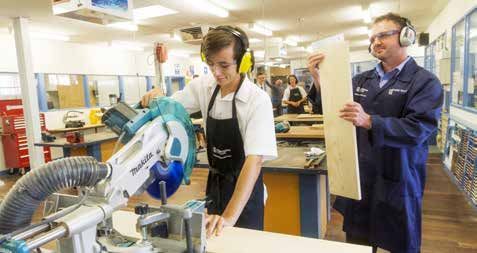
page 5

Vocational Education and
Training (VET)
Why should I study VET?             How do I get SACE                   What is the VET
If you are thinking about           credits for my VET?                 Recognition Register?
becoming a mechanic, want           Once you have chosen your           The VET Recognition Register is a
to work in child care, or imagine   VET options, the VET coordinator    useful tool on the SACE website
being an electronic technician,     can help you work out how           that lists more than 200 VET
Vocational Education and            many credits you could possibly     qualifications. The register can tell
Training (VET) could be the right   achieve at Stage 1 or Stage 2.      you the SACE level (Stage 1 or
choice for you.                     The number of SACE credits you      Stage 2), and the maximum and
Studying VET as part of your SACE   can gain is based on the amount     minimum SACE credits you could
can give you a head start in        of VET you do as part of your       earn.
your career and earn you SACE       SACE.
                                                                        You can find the VET Recognition
credits. You can develop hands-     Each qualification is different     Register on the SACE website by
on skills in areas of work and      and has compulsory and              clicking on the VET box at the
industry that interest you, and     elective options, so the SACE       bottom of the homepage.
complete your SACE at the same      credits you end up gaining may
time.                               vary depending on the VET
Whether you decide to study         qualification you are working       Want more information?
an individual VET course, or a      towards.
                                                                        Find everything you need on the
school-based apprenticeship or      You can earn up to 150 out of       SACE website by clicking on the
traineeship, choosing VET can       200 SACE credits using VET, as      VET box on the homepage.
help you work towards a job-        long as you meet the literacy and
ready qualification.                numeracy requirements.
page 6

Other Courses –
Recognising Your Learning
There are a number of other ways to gain SACE credits. Most students earn
credits by studying subjects at school; however you can also gain SACE
credits through recognition arrangements, such as Community Learning.
Studying for your SACE means         Community Learning                   Community-developed
you can gain SACE credits for
skills and knowledge you gain in
                                     Students can count up to 90          programs
                                     credits of Community Learning        Many community organisations
a range of community programs
                                     at Stage 1 and/or Stage 2,           develop their own learning
and other courses.
                                     but it is important to note that     programs, which students can
The learning that students           Community Learning does not          undertake and count towards
undertake through VET,               count towards the requirement        their SACE at Stage 1 or Stage 2.
Community Learning and other         for 60 credits at a C grade or
recognised courses is called         better at Stage 2.                   These include programs such as:
‘recognised learning’ in the SACE.                                        • Duke of Edinburgh’s Award
                                     You can gain credits for             • Royal Life Saving Society
                                     community service or activities in   • SA Country Fire Service
                                     two ways:                            • Scouts SA
                                     • community-developed                • Australian Music Examinations
                                       programs                              Board
                                     • self-directed community            • Australian Army Cadets
                                       learning.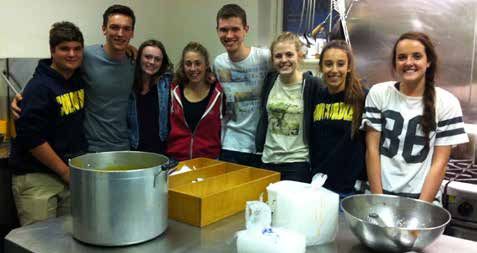
page 7

A full list of SACE-recognised         Other recognised                    • the International
community-developed courses                                                  Baccalaureate Diploma
can be found on the SACE
                                       learning                              Programme
website under Community                SACE credits can be granted         • interstate and overseas
Learning.                              for appropriate qualifications,       senior secondary school
                                       subjects, courses, or learning        qualifications
                                       experiences gained by local,        • languages courses
Self-directed                          interstate, or overseas students.
                                                                           This sort of learning is counted
community learning                     These can include:                  towards the SACE as a number of
                                       • university studies                SACE credits ‘granted’, and is not
You might be part of a program
                                       • educational exchange              accompanied by a result.
or course outside school which
                                          programs
is not formally accredited, but
which you could still be eligible to
receive SACE credits for.
This could include:
• participating in a sport at an
   elite level
• acting as a carer for an elderly
   or invalid person
• teaching others a specialised
   skill (such as dance)
• gaining a pilot’s licence
• volunteering.
You need to show evidence of
your learning when applying for
SACE credits for self-directed
programs.
page 8

A guide for SACE –
Choosing what to study
Choosing what subjects to study at Stage 2 in the SACE may seem daunting –
there are lots of options, after all. But have confidence in the work you have
done so far, ask the right questions and use the right resources, and you can
make informed choices that will get you where you want to go.

Review your Personal                 Concordia, and what might fit          If you want to study at TAFE SA,
                                     best with your goals.                  you will be looking at getting a
Learning Plan                                                               TAFE SA Entry Score, which has its
                                     Talk to people who know you well,
In the Personal Learning Plan,                                              own requirements.
                                     such as your parents and friends.
you considered your strengths
                                     As well as being a useful sounding
and interests – consider how
                                     board, they can give you the
these relate to the range of
                                     confidence and support to make         Use the SACE website
subjects available in Year 11 and
                                     choices that are right for you.        The ‘Learning’ section of
Year 12. Have another look at the
                                                                            the SACE website has lots
personal and learning goals you
                                                                            of information on the topics
identified, and think about how
these might flow into choices
                                     Think about future                     covered in each subject – this
about further study and work         career requirements                    should give you an idea of
                                                                            whether a particular subject is for
after you finish secondary school.   Consider the type of career you        you. You can use the information
Let your interests and strengths     may want to enter after school,        on the learning pages alongside
guide you.                           and what pathways there are to         the ‘Students Online’ tool to
                                     that sort of career.                   plan your SACE, look at different
                                     If you want to study at university,    subject combinations and check
Talk to teachers,
                                     you can use the SACE to gain           your progress. Students Online
parents and friends                  an Australian Tertiary Admission       can provide an overall picture of
You may have an idea about           Rank (ATAR) for entry into courses     how you are doing in your SACE
the areas of learning you            in SA and around Australia.            and how the subjects you choose
are interested in, such as           Some university courses also           can contribute to your certificate.
the sciences, mathematics            have pre‑requisite subjects.
or humanities, but have you          Many SACE students each year
decided on the particular            enter top universities around the
subjects you want to study?          world – if this is something you are
Your teachers can advise you         interested in, you will want to look
about the subjects offered at        at the entry requirements.
page 9

page 10

All About the Research Project
The Research Project subject gives you the chance to direct your own
learning while expanding on your planning, research, analysis and
communication skills. These are tools you can use throughout your life, both
in your career and in further education.

The Research Project is a one        Research Project A or B?            idea should be challenging but
semester, 10-credit Stage 2                                              achievable.
                                     There are two Research Project
subject, and you will need to get
                                     options – Research Project A and    In the Research Project you
a C- grade or higher to gain your
                                     Research Project B. Both can        can choose which capability
SACE.
                                     count towards your Australian       or capabilities to develop and
                                     Tertiary Admission Rank (ATAR).     reflect on.
Assessment
                                     Students who undertake              The purpose of the capabilities
The Research Project is split into   Research Project B must present     is to develop in students
three sections, each worth a         their evaluation in written form.   the knowledge, skills and
different portion of your final      Students studying Research          understanding to be successful
grade:                               Project A may present evidence in   learners, confident and creative
• Folio (30%)                        other forms, such as a PowerPoint   individuals, and active and
• Research Outcome (40%)             presentation, short film.           informed citizens.
• Evaluation (30%)
                                                                         The capabilities that have been
More information about each          Choice and Capabilities             identified are:
section of the Research Project                                          • literacy
                                     Take time to consider what it
can be found in the Learning                                             • numeracy
                                     is you may want to research –
section of the SACE website,                                             • information and
                                     something you are interested
under Research Project.                                                     communication technology
                                     in, or passionate about. Your
                                                                            capability
                                                                         • critical and creative thinking
                                                                         • personal and social capability
                                                                         • ethical understanding
                                                                         • intercultural understanding.
                                                                         The capabilities enable students
                                                                         to make connections in their
                                                                         learning within and across subjects
                                                                         in a wide range of contexts.
page 11 1. Communication This capability helps you explore your ability to communicate with others. This can include clearly expressing your ideas and opinions or building on your literacy and numeracy skills. Research Project: How to create a theatre production for the Adelaide Fringe Festival? 2. Citizenship How you contribute to the wider community is what this capability is about – this can include participating in activities outside of your school, such as youth forums or community events. Research Project: Why are not enough people volunteering, and how can this issue be addressed? 3. Personal development This is where you have the chance to reflect on and improve areas of your own personal development, identifying your strengths and areas for development and building your self-confidence. Research Project: What are the processes required to become a police officer? 4. Work In this capability you can explore workplace learning and employability skills. This could include participating in work experience or gaining skills you can use in the workplace. Research Project: How important are geologists to the mining industry? 5. Learning The learning capability helps you develop your ability to learn. This can be done by gaining feedback on your learning style and areas for improvement, learning organisation skills or building on your reflection and evaluation skills. Research Project: What are the most effective ways of learning a second language?
page 12

Making the Grade – Understanding
Performance Standards
Understanding the                    relation to the criteria set out for   Why use performance
                                     each subject.
standards                                                                   standards?
                                     Whenever you are given a grade
What determines whether you                                                 Having performance standards
                                     (A to E) for an assessment, you
receive an A, B, or C for the work                                          allows for fair grading across
                                     can check the performance
that you do? And how can you                                                the state. All SACE teachers
                                     standards to monitor your
get your work up to the next                                                and assessors are marking
                                     progress through the subject.
level?                                                                      with reference to the same
                                     They describe how well you have
                                                                            performance standards, so
The answer is in the performance     demonstrated what you know,
                                                                            students receive comparable
standards!                           can do and understand. They
                                                                            grades.
The standard of work you must        can also help you to set goals for
                                     improvement.                           As a student, you can use
demonstrate to achieve each
                                                                            the grades and performance
grade in each SACE subject is        The performance standards can
                                                                            standards to help guide you from
described by a performance           be found in the subject outline
                                                                            one level to the next.
standard.                            of each SACE subject – these
                                     documents can be found on              You can look back and see
The standards outline how well
                                     the subject pages on the SACE          where you have been and look
you demonstrated what you
                                     website.                               forward to see what you want to
know, can do, and understand, in
                                                                            achieve, with a clear idea about
                                                                            how to get there.
page 13
Stage 2 Assessment
School assessment: 70%
In Stage 2, you will be awarded grades in your assessments from A+ to E-, and for your final grade. Your
teachers will assess 70% of your work, while 30% will be assessed by the SACE Board.
School assessment Validating school Confirming or adjusting
These are the tasks set and assessment grades
assessed by the school, as part of A sample of student work from Teachers across the state mark
each subject you are studying. the school, representing a with reference to the performance
Teachers undertake training to range of grades across every standards in the subject outlines.
assess students’ work in line with Stage 2 subject, will be sent off There is a statewide process at
the performance standards. to the SACE Board. Assessment the end of each year to ensure
experts will check to confirm the that grades given at one school
grades that have been given are are comparable with grades in
accurate, fair and comparable another school. The process of
with other students across the confirming and adjusting school
state. assessment grades is referred to as
‘moderation’.
External assessment: 30%
The SACE Board marks the external assessment component of all subjects. These assessments can take the
form of oral and/or written examinations, investigations or performances.
Examinations Investigations Performances
Some Stage 2 subjects have Many Stage 2 subjects have A range of Stage 2 subjects
written exams, which are externally assessed investigations. (drama, dance and some
produced and assessed by the These are first assessed by your music subjects) have externally
SACE Board. The majority of these teacher, then sent to the SACE assessed performances. They
examinations take place in Term 4, Board for external assessment. are marked independently by
during October and November. subject teachers and SACE Board
assessors at the time of each
The exam timetable is made
performance.
available on the SACE website
during the first semester of each
year.page 14
Results
At the end of your SACE journey, you will receive your Year 12 results.
On the day of results release, > Access your SACE > Access your SATAC
results will be sent through the
post but students will also be able
Results Tertiary Entrance
to access them online on the Clicking this link will access the Statement
SACE website. main SACE results screen, where Your Tertiary Entrance Statement
you will find a list of the subjects will show your Australian Tertiary
Following is a guide to
you completed and the results. Admission Rank (ATAR) and TAFE
understanding your results, and
Clicking on the name of each SA Selection Score.
the information you will receive.
subject will bring up your Student
Subject Record for that subject.
On the screen The subject record shows > About your SATAC
If you have your PIN and SACE
the grades you received for Tertiary Entrance
individual assessments (both
registration number, you can
school-based and external), the
Statement
access your results on the
weighting of each assessment, This section helps you understand
morning they are released, via
as well as a graph highlighting your Tertiary Entrance Statement,
the Students Online system.
where your final grade sits in and provides information about
If you can not remember your comparison to all students scaling, and how university
PIN, you can reset it to your date studying the subject. aggregates and TAFE SA
of birth on the Students Online Selection Scores are calculated.
login page www.sace.sa.edu.au/
students-online. > About the SACE
On the day results are released, Results In the post
resetting PINs may take a few While most students check their
This section helps you understand
hours, so it pays to check that results online, if you meet all
your SACE results as shown online.
you can log in a week or more requirements of the SACE, you will
The way your results appear
beforehand. receive your SACE certificate in
online is similar to the Record of
Achievement you will receive in the post.
Once you log in to Students
Online on the day of results the mail. If you achieve a result in one
release, you will have access to a or more Stage 2 subjects,
range of information about your you will receive a Record of
results. Achievement. There is also an
information booklet to help you
understand your documents.page 15
Contact Details

Aliki Papapetros                           Robert Gogel
SACE Coordinator                           VET Coordinator
apapapetros@concordia.sa.edu.au            rgogel@ concordia.sa.edu.au

24 Winchester Street
Highgate, Adelaide
South Australia 5063

t. (08) 8272 0444
e. mail@concordia.sa.edu.au
CRICOS Provider Code 00360J

www.concordia.sa.edu.au

Some of the information contained in this brochure is provided courtesy of the
SACE Board of SA. To find out more about SACE, visit www.sace.sa.edu.au
You can also read


