Influential Women Celebrating the best and brightest - 'Bro culture' - Faegre Drinker Biddle & Reath LLP
←
→
Page content transcription
If your browser does not render page correctly, please read the page content below

2020

     Influential Women
Celebrating the best and brightest

                      ALSO IN THIS ISSUE:

‘Bro culture’          Hidden stigma              The great exodus
 Silicon Valley’s   Are D&I initiatives leaving    Why are minorities
worst-kept secret       disability behind?           leaving law?

                                                              www.worldipreview.com
Better Together
Become a member of the International Trademark Association
       community and enjoy these exclusive benefits!

                               Belonging to
                               INTA Means…
                                 Connections with global brand owners
                                 and intellectual property professionals

                                 Reliable, in-depth legal resources

                                 Benchmarking best practices and
                                 future trends

                                 Leadership, volunteer, and professional
                                 development opportunities

                               +
                                 Up to 30 percent member discount
                                 on INTA’s live and online educational
                                 programs

 Visit www.inta.org to join/renew membership,
      and learn about our upcoming events.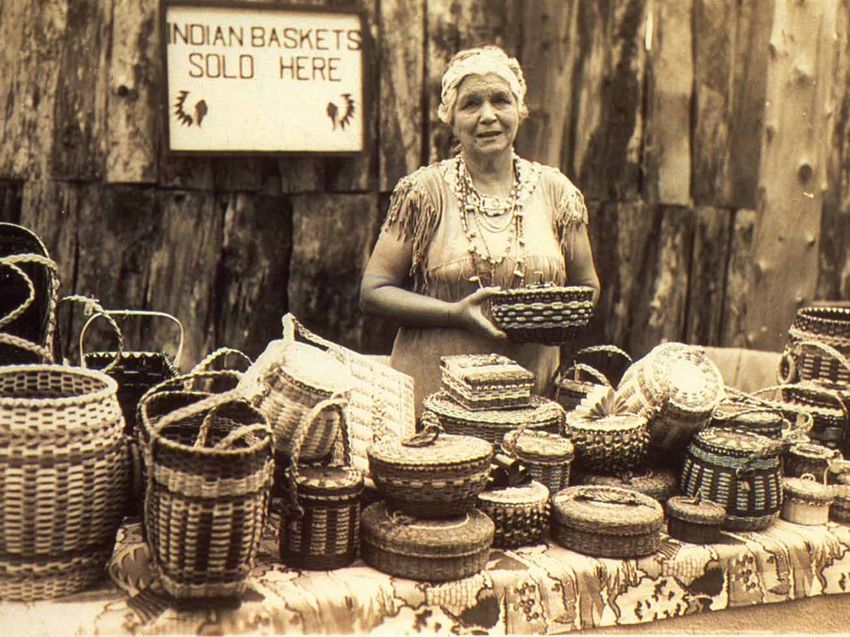
WIPR Influential Women in IP 2020
www.worldipreview.com Editor’s Note 3
WIPR INFLUENTIAL WOMEN IN IP 2020
2020
Influential Women
Celebrating the best and brightest
‘Bro culture’
Silicon Valley’s
worst-kept secret
ALSO IN THIS ISSUE:
Hidden stigma
Are D&I initiatives leaving
disability behind?
The great exodus
Why are minorities
leaving law?
The good work
must go on
A NEWTON MEDIA PUBLICATION
www.worldipreview.com
I began this project in the hope of doing my part to celebrate the work women
have done, and will continue to do, in the IP sector.
We published the inaugural issue in early 2019, a landmark year for women
in law. It marked the centenary since women were allowed to become barristers
Published by: Newton Media Limited and solicitors in the UK. Calls for gender diversity echoed across the industry,
Kingfisher House, 21-23 Elmfield Road, carried along by the #MeToo movement.
Greater London BR11LT, United Kingdom
Director: Nicholas Lipinski But diversity comes in many different forms, and some are less visible than
Group publisher, editor-in-chief: Peter Scott others, so it’s time we shone a spotlight on these too. That’s why, in our second
Telephone: +44 203 301 8217
Email: pscott@newtonmedia.co.uk edition, we’re focusing on more than just gender diversity.
Group editor: Tom Phillips
Telephone: +44 203 301 8210 That’s not to say gender equality in IP has been ‘achieved’—we still need to
Email: tphillips@newtonmedia.co.uk fight for it. Alongside our features, we highlight 100 Influential Women in IP,
Editor: Sarah Morgan
who are all playing a significant role in championing diversity and changing
Sub-editor: Ros Bromwich
Journalist: Rory O’Neill
the IP system.
Advertising sales manager: Amy Samra The people we’ve spoken to within these pages have stories to tell, both good
Telephone: +44 203 301 8223
Email: asamra@newtonmedia.co.uk and bad, and all have been open with us. It is only by making voices heard can
Production manager: Pat Jones we, as an industry, change for the better.
Email: production@newtonmedia.co.uk
Project manager: Louise McMillan We put together this publication amid the COVID-19 pandemic, during
Email: lmcmillan@newtonmedia.co.uk which black, Asian and minority ethnic people have topped the list of those
Subscriptions: Adrian Tapping
Telephone: +44 203 301 8203 dying from the virus.
Email: atapping@newtonmedia.co.uk
Without forgetting the amazing work done by frontline workers and
Content access: Atif Choudhury
Telephone: +44 203 301 8233 volunteers, it’s important to focus on how this global healthcare crisis has
Email: achoudhury@worldipreview.com
upended our working lives. The lines between work and life have become
Production and design: Fisherman Creative
increasingly blurred, and caring responsibilities and mental health are being
©Newton Media Limited 2020
All rights reserved. No part of this publication
talked about more than ever before.
may be reproduced, stored in a retrieval But what worries me is whether diversity and inclusion (D&I) issues are
system, or transmitted in any form or by any
means, electrical, mechanical, photocopying,
being placed on the back burner as budgets tighten and focus turns solely to
recording or otherwise without the prior immediate needs, at the expense of long-term objectives. There’s precedent—
written permission of the publisher. diversity in law firms took a huge hit after the financial collapse of 2008. It’s
The views expressed in World Intellectual
Property Review are not necessarily those crucial that this isn’t allowed to happen again.
shared by the publisher, Newton Media I’m not the only one with these concerns—law firms and organisations
Limited. Wishing to reflect the true nature of
the market, we have included articles from a committed to promoting D&I are raising the alarm, through partnerships and
number of sources, and the views expressed open letters.
are those of the individual contributors.
No responsibility or liability is accepted by The current healthcare crisis could truly be the ultimate test for D&I in
Newton Media Limited for any loss to any the legal profession, and it’s incumbent on everyone in the industry to play
person, legal or physical, as a result of any
statement, fact or figure contained in World
their role.
Intellectual Property Review. Sarah Morgan, editor
This publication is not a substitute for advice
on a specific transaction.
The publication of advertisements does not
represent endorsement by the publisher.
World Intellectual Property Review:
ISSN 2041-1170 (Print)
Cover image:
Shutterstock / LilKar
WIPR is a registered trademark of Newton Media Ltd
WIPR Influential Women in IP 2020

4          Contents                                                                       www.worldipreview.com

    5    The pressing need for equality
         Increasing diversity and achieving gender equality are more important than ever as
         we face the COVID-19 pandemic, says Francis Gurry, director general of the WIPO.
    6    Positive strides
         WIPR’s latest survey on diversity and inclusion in law offers a snapshot of an industry
         that’s behind the times. Sarah Morgan reports.
    10   Protecting the entrepreneurial spirit
         Becoming an entrepreneur is not an easy route to take, but when you’re an
         indigenous woman, it can be even tougher, as Sarah Morgan finds.
    12   Silicon Valley’s ‘bro culture’: faulty pipeline, or old fashioned misogyny?
         The tech industry has started to acknowledge its problem with sexism and diversity,
         and is publishing more data, but is any real progress being made? Rory O’Neill reports.
    16   In the spotlight
         WIPR celebrates the achievements of 80 of the most prominent female lawyers in
         the industry.
    20   Class of 2019: Spring Chang
         Spring Chang has played a central role in the growth of her firm, Chang Tsi & Partners,
         and is proud of its successes in promoting diversity.
    22   The hidden stigma
         Diversity initiatives are gaining traction across the legal profession, but one characteristic
         has been left behind: disability. Sarah Morgan investigates what can be done.
    28   Class of 2019: Laura Collada
         Laura Collada, managing partner of Dumont, outlines her path to modernising the
         Mexican law firm and her diversity efforts.
    32   Reclaiming language: are IP offices behind the times?
         What happens when the meaning of traditionally offensive or abusive terms changes,
         and how should IP offices respond? Rory O’Neill reports.
    36   A culture of growth and equality
         Borghildur Erlingsdóttir, director general of the Icelandic Intellectual Property Office,
         sees massive opportunities at a time when Iceland’s economy is at a turning point.
    42   Class of 2020: Vivien Chan
         Vivien Chan helps major multinational corporations and listed companies to do
         business in Greater China.
    45   Evolving inclusivity—designing a modern platform for success for all
         The categorisation of individuals due to gender, race, ethnicity or sexual orientation
         doesn’t encourage equality, says Karen Fraser of UDL Intellectual Property.
    46   The great exodus
         Bullying, a dearth of opportunities and lower pay are just some of the reasons why
         the legal profession is bleeding its minority groups. Sarah Morgan investigates.
    50   Doing it for herself—and others
         After a career beginning with a dramatic trial and two decades of experience,
         Stacy Grossman decided to strike out on her own.
    52   Friends in D&I places
         Creating a diversity culture at work needs allies who aren’t afraid to get a little
         uncomfortable, as Tom Phillips discovers.
    56   The best advice
         WIPR spoke to some of the 2019 Class of Trailblazers about their advice for those
         entering the IP profession and the challenges they’ve overcome.
    58   Finding your own voice
         Gender equality should continue to be a driving force in law firms across the world,
         says Melisa Litvin, founder of Litvin Marzorati Legales.
    60   Trailblazers: a bright future
         WIPR profiles 20 talented women who are paving the way for great achievements in
         the IP sector.
WIPR Influential Women in IP 2020

                              www.worldipreview.com                                                                       Foreword                                   5

                              The pressing
                              need for equality

                              As the world deals with the COVID-19 pandemic, increasing diversity and achieving
                              gender equality is even more important, says Francis Gurry, director general of the
                              World Intellectual Property Organization.

                                           t is my great pleasure to contribute a                               missed innovation opportunities, which is particularly

                                  I        few words of introduction to World
                                           Intellectual Property Review’s “Influential
                                                                                                                worrisome now when the need for innovation is
                                                                                                                so acute, although a growing presence of women
                                           Women in IP” publication.                                            inventors in the life sciences is encouraging.
                                 IP exists to encourage innovation and creativity,                                  While numbers are moving in the right direction,
                              which stimulate improvements in our quality of life                               the rate of progress has stagnated for most of the
                              and provide opportunities to confront and overcome                                previous decade and, as of today, parity among PCT-
                              systemic challenges. Without gender equality, however,                            listed inventors will be reached only in 2044—24 years
                              humanity is sadly missing out on realising its full                               from now!
                              innovative and creative potential.                                                    I am also concerned by the fact that the economic
                                 With the emergence of the COVID-19 pandemic,                                   crisis may impose new additional barriers on women
                              increasing diversity and achieving gender equality is
                                                                                           Humankind            inventors, further reducing the pace of change. While
                              even more important: humankind needs all hands
                                                                                           needs all hands      ensuring that the current gains are maintained, we
                              on deck in the fight against this pathogen. New              on deck in the       must speed up progress towards the day when we may
                              treatments, therapeutics and, hopefully, a vaccine are       fight against this   all benefit from the entirety of human ingenuity.
                              anxiously awaited by the global public.                      pathogen.                This year, International Women’s Day on March 8
                                                                                                                took on a particular significance as it coincided with
                              Numbers matter                                                                    the 25th anniversary of the Beijing Declaration, the
                              It is estimated that, globally, women make up                                     roadmap for the empowerment of women and girls
                              approximately two-thirds of all the essential health                              adopted by United Nations member states in 1995. So
                              and care workers who are risking their lives to fight this                        2020 represents a key opportunity to reflect on gaps and
                              pandemic, but they are still severely underrepresented                            gains over the past 25 years, while turning towards the
                              in the science, technology, engineering and math                                  future with renewed commitment and determination.
                              (STEM) fields that fuel medical research.                                             Sustainable Development Goal (SDG) number
                                 This underrepresentation is confirmed by new                                   five—gender equality—is a key, cross-cutting target and
                              World Intellectual Property Organization (WIPO)                                   a precondition for sustainable progress toward the
SHUTTERSTOCK / NADIA GRAPES

                              figures on applications filed under the Patent                                    goals to be achieved by 2030. WIPO is pleased to be
                              Cooperation Treaty (PCT). In 1995, women represented                              leading the drive to boost innovation among women
                              only 9.5% of the 82,000 inventors listed in PCT                                   and girls across the globe for a worldwide benefit and
                              applications published by WIPO. By 2019, that figure                              the success of the SDGs.
                              had risen to almost 19% of 656,000 PCT-listed inventors.                              Please join us in this important effort, while
                                 Anything in our PCT filings that shows less than 50                            celebrating the model Women in IP we see featured in
                              percent participation by women points to potentially                              this publication. l
WIPR Influential Women in IP 2020

6                             Diversity in law                                                                           www.worldipreview.com

Positive strides
WIPR’s latest survey on diversity and inclusion provides another sombre snapshot
of an industry that’s behind the times but trying hard to catch up through a variety of
initiatives. Sarah Morgan reports.

              arlier this year, WIPR undertook a                                          policy in both this year’s survey and last year’s. Private

    E         global survey to learn more about your
              thoughts and experiences of diversity in
                                                                                          practice respondents pushed up the results, with 67%
                                                                                          stating that their firm has a policy.
              the legal profession. While our inaugural                                       But there’s worse news: our survey found that only
survey in 2019 mainly focused on gender diversity,                                        three-quarters believe their senior management team
this year we broadened the focus to include all kinds                                     was committed to D&I.
of diversity and inclusion (D&I) issues for a fuller                                          Brian Winterfeldt, principal of Winterfeldt IP
picture. The results were, once again, sobering.                                          Group, says: “It is very unfortunate that although we
   As in our first survey, the majority of our respondents                                are in the year 2020, a quarter of survey respondents
were women, with men and ‘other’ making up 20% and                                        believe their senior management team is not
5%, respectively. The majority (70%) of respondents                                       demonstrably committed to D&I.”
came from private practice, while in-house, service                                           It’s crucial for a diverse and inclusive culture to
providers, IP offices and others made up the rest of the                                  come from the top and be reinforced at every step
cohort, and a third of respondents consider themselves                                    of the way. Otherwise, staff can end up feeling like
to be part of a minority.                                                                 one respondent, who warns: “The initiatives feel like
                                                                                          public-facing statements not internal goals.”
Personal stories and accountable leaders                                                      Véronique Durand-Rettally, counsel at Baker
Approximately three-quarters of respondents believe                                       McKenzie in Mexico, adds that having accountable
that D&I is a stated value for their organisation.                                        leaders is of the utmost importance when you’re
D&I seems to be more of a priority for those in              It’s important for           looking to develop better D&I programmes.
private practice, with 82% believing it’s a priority         an organisation                  “It’s important for an organisation to have
for their organisation, compared with 70% of those           to have diversity            diversity champions who strongly believe in making
in other organisations.                                      champions who                changes and involve leadership to create a diverse and
    These percentages are slightly lower than the            strongly believe             inclusive workplace,” she says. “But for any policy
amount of people who believe that D&I is either              in making                    and initiative to be successful, the commitment of
extremely important or very important to improving           changes.                     everyone, especially those at a decision-making level,
a company’s success (89%). And, given the sheer                                           is crucial.”
number of studies which show that diversity                                                   To get more members of senior management
improves innovation and financial performance, it’s                                       engaged with these important efforts, Winterfeldt
no surprise that only 3% of respondents feel that D&I        Véronique Durand-Rettally,   suggests some effective approaches.
is not very or not at all important.                         Baker McKenzie                   First, client pressure and peer pressure can be
    The bad news is that the percentage of firms with                                     very useful, he says, adding that “even those who are
a D&I policy did not change year on year, with 65% of                                     not committed to D&I because it is the right
respondents stating that their companies had such a                                       thing to do, ethically speaking, can be persuaded that
WIPR Influential Women in IP 2020

www.worldipreview.com                                                                 Diversity in law                                7

   How important do you think diversity                                             Is diversity and inclusion a stated value
    and inclusion is to improving your                                                  or priority for your organisation?
          organisation’s success?

                                                                                                      5%
                                                                                                                      13%

                                                                                                        PRIVATE
 52%                                                       We need to                                  PRACTICE
                                                           discuss our own
                                                           programming
                                                           as to how we
                                                           view and judge                           82%
                                                           others based on
                                                           societal norms,
                                                           going to the root
                                                           causes of a lack
                                                           of diversity.
                                                                                                     10%
                                                                                                                      20%
                                                37%
                                                           Mercedes Meyer,
                                                           Faegre Drinker Biddle
                                                           & Reath                                      OTHERS

  8%
                                                                                                    70%
                                                 2%
  1%
                                                                                              Yes       No       Don’t know

                Extremely important
                                                                                       He believes that leadership team members who are
                    Very important                                                 not diverse may simply not be thinking about D&I if
                Somewhat important                                                 it hasn’t been relevant to their own career path and
                                                                                   advancement trajectory.
                   Not so important                                                    According to our survey, 96% of respondents
                 Not at all important                                              were aware of women in senior positions in their
                                                                                   organisations. But, those with other diverse
                                                                                   characteristics were less visible. Only 50% of
                                                                                   respondents were aware of senior people from
there is a significant business case for an investment                             an ethnic minority, and approximately 42% of
in D&I”.                                                                           respondents knew of an LGBTQ+ person on the
   In recent years, a series of corporates have                                    senior team.
introduced diversity demands on outside counsel,                                       The numbers are much lower when you look
with Intel announcing that it would “not retain or                                 at people with a disability and those from a lower
use outside law firms in the US that are average or                                socioeconomic background, with approximately 15%
below average on diversity”.                                                       and 26%, respectively.
   “Law firms whose clients require a demonstration of                                 “I have found that personal stories resonate with
a D&I commitment are more likely to offer diverse client                           senior professionals whose own life experiences have
service teams, and corporate organisations may also be                             not been impacted by D&I,” adds Winterfeldt.
accountable to their own customers and shareholders                                    “Once these professionals hear from diverse
who expect progress in this area,” adds Winterfeldt.                               personnel who have either been helped by D&I efforts,
WIPR Influential Women in IP 2020
8 Diversity in law www.worldipreview.com
All
Does
Doesrespondents:
your does your
your organisation
organisation haveorganisation
have aa diversity
diversity Private practice:
Private practice: does
does your
your organisation
organisation
have a diversity
and and inclusion
and inclusion
inclusion policy? policy?
policy? have aa diversity
have diversity and
and inclusion
inclusion policy?
policy?
Law firms whose
clients require a
demonstration
of a D&I
commitment
are more likely
to offer diverse
client service
teams.
Yes:
Yes: No:
No: Don’t
Don’t
Don’t Yes:
Yes: No:
No: Don’t
Don’t
Don’t
Yes: No: know:
know:
know:
Brian Winterfeldt, Yes: No: know:
know:
know:
65%
65%
65% 22%
22%
22% 13%
13% Winterfeldt IP Group 67%
67%
67% 20%
20%
20% 13%
13%
13% 13%
or hindered by a lack of them, they may be open to to be responsive to feedback from members of the
developing more inclusive practices and policies.” organisation at all levels.
“For example, D&I training can be very well done
Root causes and create a true sense of inclusion and community
Mercedes Meyer, partner at Faegre Drinker Biddle & among an organisation’s workforce,” he explains.
Reath in the US, warns that accountability is currently “However, if training is mandatory but comes
failing. She believes that firms and in-house teams across as perfunctory, it can have the opposite impact
need to hold groups accountable for putting people and make employees feel as if management is ‘phoning
on their teams and ensure they are not using a team it in’, so to speak, especially if the employees continue
of people of only one gender or one ethnic group. to observe overt discrimination or a perceived lack of
While Meyer believes that many people are opportunities for diverse personnel.”
committed to improving D&I, she cautions that some
are not looking at and addressing the underlying root Fighting the system
Do you believe
causes of a lack of diversity. your senior Even though some IP organisations are undertaking
“We need to discuss our own programming as management exemplary D&I work, it’s a sad picture for the legal
to how we view and judge others based on societal team/managing profession as a whole—only half of our respondents
norms, going to the root causes of a lack of diversity,” partner is believe that the profession is doing well in this respect.
she says. Unconscious bias training is just one of committed to “The legal profession talks a good talk but fails on
many options that IP firms are undertaking to push diversity and the evidence,” claims one respondent.
inclusion?
D&I efforts. In the UK, women make up 49% of lawyers in law
“You can be committed, but if you don’t undertake firms, but only 34% of partners are women, according to
actions, then the commitment is without impact,” 10% the Solicitors Regulation Authority. In large firms, with
Meyer adds. more than 50 partners, only 29% of women are partners.
15%
Nearly two-thirds of respondents say their Black and Asian lawyers are significantly
company has mentoring and leadership development underrepresented in mid to large-size firms of six or
programmes, while more than half have set up a more partners. Firms with more than 50 partners
diversity and/or inclusion committee. But other 75% have the lowest proportion of black, Asian, and
initiatives such as diversity training and affinity minority ethnic partners (8%)—no change since 2017.
networks lag behind, with 42% and 40%, respectively. It’s much the same in the US where only one in five
A variety of initiatives can be successful, says Yes No equity partners in law firms are women and less than
Winterfeldt, but it’s vital for the senior personnel 8% are people of colour, according to a report from
Don’t know
who are developing and promoting these initiatives the National Association for Law Placement (NALP).
WIPR Influential Women in IP 2020

www.worldipreview.com                                                                     Diversity in law                                  9

                                                                                       diversity committees and external diversity-related
  Others: does your organisation have a                           Would you say
                                                                                       organisations, but this has changed in the past
     diversity and inclusion policy?                           that you are part of
                                                                a minority at your     decade, with a movement towards greater inclusivity.
                                                                    company?               Progress is much slower in private practice
                                                                                       than in-house, says Winterfeldt, with “incredible”
                                                                                       attrition across all diversity categories as attorneys
                                                                                       progress from summer/junior associates to the
                                                                                       partner level.
                                                                             35%
                                                                                           “I am hoping there may be a time in the not-too-
                                                                                       distant future when junior practitioners can readily
                                                                  65%                  see paths to wherever their goals may take them,
                                                                                       whether the goal is to make partner or go in-house
                                                                                       and become the general counsel.
                                                                                           “We do have a very long way to go until that vision
                                                                     Yes     No        can be realised, however,” he adds.
                                                                                           The biggest problem in the legal profession, says
                                                                                       Meyer, is the billable hour. This structure makes
                                                                                       managers select the easiest team to work with, and
                                                                                       makes people reluctant to train new people to do the
                                                                                       job as this takes up precious time.
                                                                                           Meyer explains: “If you have a requirement of
                                                                                       2,400 hours per year, that works out to 6.57 hours

     Yes:                 No:                Don’t
                                             Don’t                                     every day of the year or 9.1 hours if you take weekends
     Yes:                 No:                know:
                                             know:                                     off. Those numbers work against time available for
     59%
     59%                  26%
                          26%                 15%                                      education for diversity, teaching, affinity groups and
                                              15%
                                                                                       solving the problem.
                                                                                           “They work against people with disabilities. They
                                                                                       work against socialising and getting to know your
    But there is hope, and Durand-Rettally is                                          colleagues.”
optimistic. She believes that it’s hard to change such                                     While it’s unlikely that the idea of billable hours
an ingrained business model, but the legal profession                                  will change any time soon, other practices, such as
is attempting to fight against this.                                                   mentoring and training to ensure retention and
    “The legal profession is fighting against its own system                           flexible working can go a long way towards ensuring a
in order to be part of this inevitable change,” she says.                              pipeline of diverse professionals.
    In the more than 20 years that Winterfeldt has                                         Winterfeldt concludes: “We are, at the core, an
been practising law, there have been some notable                                      industry of creative solutions, and we won’t find
improvements, he says. Much earlier in his career,                                     those solutions for our clients—whether internal or
LGBTQ+ professionals were often excluded from                                          external—through a narrow lens.” l

                                                What aspects of diversity does your diversity and inclusion policy cover?

      87%                   85%                                     78%
                                                                                      64%               72%
                                                  61%                                                                       47%

        Gender              Race and                 Age        Sexual orientation    Religion           Disability            Socio-
                            ethnicity                              and gender                           and ability          economic
                                                                    identity
WIPR Influential Women in IP 2020

10                           Indigenous entrepreneurs                                                                  www.worldipreview.com

Protecting the
entrepreneurial spirit
Becoming an entrepreneur is not an easy route
to take. But when you’re an indigenous woman,
it can be even tougher. Sarah Morgan interviews
bold women about their experiences and the
role IP can play in empowerment.

             he Native American story is one of                                          Peninsula, the indigenous Sámi people are perhaps

     T       land loss and the extreme suffering
             that came with colonisation. It’s
                                                                                         best known for their reindeer herding. But the
                                                                                         community has a rich culture of arts and handmade
             important to acknowledge the truth of                                       crafts, such as Joik—the folk music of the Sámi.
these events, but also not to forget other stories—                                         But young people are moving to bigger cities and
those of economic self-sufficiency and creative                                          abandoning traditional ways of life.
entrepreneurship.                                                                           For the women who stay the biggest challenge,
   An important part of the Native American story                                        according to Ballo, is daring to take the bold step to
is how they have fought to protect their cultural                                        become a full-time entrepreneur.
expressions and traditions from exploitation. Penobscot                                     “This applies to everyone, but it’s especially true
woman Theresa Secord is just one of many examples of                                     in small communities. It takes a lot of courage to
indigenous women who have led these efforts.                                             say: ‘I’ve made this and I want to sell it for the right
   In the mid-1800s, indigenous women began                                              price’,” she adds.
taking their woven baskets to coastal Maine resort
towns in the summer to sell to tourists, but learning                                    Building a new culture
how to weave subsequently waned in popularity.             Laws and                      All the women I speak to offer the same story: IP
Now, Secord is playing a vital role in the resurrection    regulations need              can play a crucial role in developing the businesses
of one of what is one of the oldest known Native           to be in place                of indigenous entrepreneurs, but there’s a lack of
American crafts.                                           where the IP                  understanding in their communities.
   Speaking to me before heading out to a major art        for innovations                  Indigenous women are often the protectors
market in the US, Secord describes basket weaving          and creations                 and carriers of their cultures, and their traditional
as a family tradition, beginning with her great            of indigenous                 knowledge and cultural expressions are invaluable,
grandmother. Secord is a member of the Penobscot           women is                      says Rebecka Forsgren, a Sámi and the World
nation, a federally recognised tribe in Maine.             respected                     Intellectual Property Organization’s (WIPO) 2019
   After founding the Maine Indian Basketmakers            and valued.                   Indigenous Fellow.
Alliance 25 years ago, she helped bring forward                                             “They may not wish to commercialise their
a new generation of basket makers. The average                                           culture and knowledge. However, if they do, they
age of those involved in basket weaving fell from                                        should have access to the IP system and be able to
63 to 43, while the overall number of participants grew.   Rebecka Forsgren,             protect the IP of their innovations and creations,”
   She’s spent a long time advocating for the art form,    WIPO 2019 Indigenous Fellow   she explains.
and feels that “too often, we undervalue ourselves”.                                        Secord and Ballo both took part in WIPO’s
   “Looking back, I think it’s safe to say that women                                    training and mentoring programme for women
of my generation and earlier are very undervalued                                        entrepreneurs from indigenous peoples and local
when it comes to their rights to IP,” she says.                                          communities.
   Hers is a similar story to that of Sámi woman                                            “Learning more about IP is important for
Solveig Ballo, who I speak to while she’s on a four-                                     entrepreneurs here as we don’t have a culture of
and-a-half-hour drive, travelling between her offices                                    protecting our services and goods and creative
in northern Scandinavia where she supports nearly                                        expressions,” explains Ballo, who says she’s seen a lack
50 Sámi businesses and entrepreneurs with advice                                         of understanding in how the system works and how
and counselling.                                                                         the Sámi people perceive the system in the community.
   Hailing from a region that stretches across the                                          Forsgren adds that through WIPO’s programme,
northern part of Scandinavia and Russia’s Kola                                           indigenous peoples, and especially indigenous
WIPR Influential Women in IP 2020
www.worldipreview.com Indigenous entrepreneurs 11
women, can “feel that their culture is an asset, with a an IP webinar to share with the Native American artist
great cultural as well as economic value”. community who, she says, are hungry for information.
But cultural appropriation is rife, as the Native What most dismays Secord is the cost of protecting
American and Sámi communities have both IP and filing lawsuits. “Unless you can get pro bono
experienced to their cost. help, it’s going to be impossible for indigenous
“IP gives us the knowledge and tools to address communities to hire a lawyer,” she laments.
this and ensures we’re able to define what is ours and Forsgren concludes: “Laws and regulations need to
what makes us unique,” says Secord. “But we have be in place where the IP for innovations and creations
to be invited as collaborators and not be invited as of indigenous women is respected and valued.
exploitation.” Possibilities to protect their IP should be available
Above: Theresa Secord, a
There have been some positive instances of member of the Penobscot
to indigenous women on all levels, local, national
collaboration, but they’ve usually stemmed from nation, a federally and international.”
earlier controversies. The Walt Disney Company recognised tribe in Maine, While traditional knowledge doesn’t fit squarely
worked with the transnational Saami Council, and US. Top: Secord's great into the existing IP system, there’s a growing
Sámi parliaments of Norway, Sweden, and Finland grandmother, in 1940. awareness that this needs to change. In the
on “Frozen 2”, but only after it was contacted by the Above left: Solveig Ballo, a meantime, skills that have existed for centuries will
indigenous community about “Frozen” and its use member of the SaÂmi people, be passed on and their importance to the creators
of indigenous elements. from a region that spans will endure—as will the sad fact that indigenous
Emboldened by the WIPO programme, Secord is northern Scandinavia and women have only the charity of lawyers and moral
planning to register her own logo and is developing Russia's Kola Peninsula. fortitude of lawmakers to fall back on. lWIPR Influential Women in IP 2020
12 Diversity in the workplace www.worldipreview.com
Silicon Valley’s
‘bro culture’: faulty
pipeline, or old
fashioned misogyny?
The tech industry has started to acknowledge
its problem with sexism and diversity, and
is publishing more data than ever on its
workforce. But is any real progress being
made? Rory O’Neill reports.
t’s well known that the tech industry has
I a diversity problem. For many, the words
‘Silicon Valley’ conjure up an image of
the quintessential ‘tech bro’. The term,
alongside Silicon Valley’s ‘bro culture’, has become a
byword for the tech industry’s sexism.
The industry knows this as well. The past decade
has seen an increased focus from industry leaders on
changing the narrative around diversity and equality
in Silicon Valley. One step, adopted by several big
companies, has been to start publishing diversity and
inclusion reports.
Each company has its own stated aims for
publishing these reports, but in general, we can
assume they’re intended to communicate to the FACEBOOK GLOBAL
public an awareness of the problem, demonstrate WORKFORCE
greater transparency, and highlight companies’
efforts to make a difference.
Has heightened awareness of the problem led to WOMEN
tangible progress? The best place to start is to look 36.9%
at what the numbers in tech companies’ own reports
tell us. According to Google’s 2019 diversity and MEN
inclusion report, published last April, the company’s 63.1%
global workforce is made up of 68.4% men and
31.6% women.
Source: Facebook 2019
In terms of racial diversity, Google’s US staff Diversity Report
comprises predominantly two ethnic groups—White
(54.5%) and ‘Asian+’ (39.7%). Just 3.3% of Google’s GOOGLE GLOBAL
US staff are ‘Black+’. The document doesn’t specify WORKFORCE
exactly which groups are included under the term
Black+, but according to the US Census Bureau’s
(USCB) estimates, Black or African-American people WOMEN
make up 13.4% of the total population in the US. 31.6%
The report also records ‘Latinx+’ (this term is not
universally accepted, but is used by Google) as being MEN
the ethnicity of 5.7% of the company’s US staff. The 68.4%
USCB estimates Latino and Hispanic people, the
closest comparable category, to be 18.3% of the total Source: Google 2019 diversity
US population. and inclusion reportWIPR Influential Women in IP 2020
www.worldipreview.com Diversity in the workplace 13
The lower
numbers
of women
studying STEM
undoubtedly
impacts the
number of
women who are
SHUTTERSTOCK / LIGHTSPRING
recruited to tech
companies.WIPR Influential Women in IP 2020
14 Diversity in the workplace www.worldipreview.com
Google’s lack of racial diversity is skewed primarily
against two groups: Latino and Black people. This
is particularly glaring when compared to the US
population as a total. You could perhaps get a truer
picture by looking at the geographic spread of
Google’s employees.
Google’s national headquarters is located in
Mountain View, California, where it employs more
than 20,000 people (a significant chunk of parent
company Alphabet’s global 100,000+ workforce). The
demographics of California could possibly go some
way towards explaining the proportion of Black+
employees at Google—the 3.3% figure compares
slightly more favourably to the 6.5% of California
residents who are Black or African-American, than to
the total US figure of 13.4%.
But this still doesn’t explain how underrepresented
‘Latinx+’ people are—the USCB says that Latino
and Hispanic people make up 39.3% of California’s
population. It would be unfair to focus exclusively
on Google (which could not provide a spokesperson
for comment), especially as these figures are only
intended to demonstrate a trend that is common
across the tech sector. Look at similar players in the
industry, and you will find the same dynamics.
Facebook’s latest diversity report, published last
July, indicates that 36.9% of its global workforce are
women. When looking at technical jobs, that drops
to just 23%. Its US staff consists of 5.2% Hispanic
people, and 3.8% Black people. In technical roles, this for promotion because of preconceptions about what
is 3.5% and 1.5%, respectively. makes a good leader.”
What makes a good leader, she says, often just
What is being done means ‘being male’.
If we know, and the tech sector knows, that the “You start to think that maybe you’re not good
industry has a grave diversity problem, then perhaps enough when you keep hitting barriers over and
we should look at how things have changed over the over,” Percival adds.
past few years. If tech is serious about solving the
problem, what has it been able to do to help balance
these figures out?
23% The diversity reports are useful insofar as they
illustrate starkly the shape of tech’s diversity problem.
Women are underrepresented, and a lack of racial
In 2014, 31% of Facebook’s staff were women, but diversity skews heavily against Latin and Black people.
just 15% of its technical staff. Over five years, that’s a All of these problems are exacerbated when
percentage increase of 5.9 and 8, respectively. Looking of Facebook's technical looking at technical roles. The numbers are clear, and
at a different metric, Google’s 2019 report states that staff were women, demonstrate a rate of progress that is out of step with
the company increased its hiring of women globally as published in the the tech industry’s stated commitment to greater
by just 1.9% from 2018, while its proportion of company's latest diversity diversity.
Latinx+ and Black+ hires increased by 0.7% and 0.5%, report in 2019 Looking at the numbers alone, you can lose
respectively. For many people, this rate of progress is something of the dynamic on the ground. Why are the
not enough. numbers this way, what are the real obstacles to equality,
Alaina Percival, board chair of Women Who and what are the potential solutions? It’s difficult to
Code, has seen first-hand how damaging this lack of prescribe a list of quick fixes, but these are the questions
diversity can be on underrepresented employees at
tech companies. Her organisation focuses specifically
on gender equality, and she has observed how
1.9% that should accompany any diversity report.
Fixing the bias
women can often internalise a lack of professional Tech companies will often point to a lower proportion
advancement and blame themselves. of the industry’s underrepresented demographics
“If you’re the only woman in a team of 20, you increase from 2018 in studying subjects related to science, technology,
might start to get the feeling that you don’t deserve Google's hiring of women engineering, and mathematics (STEM) at universities.
to be there,” Percival says. globally, according to the In this way, it can be argued that tech’s diversity
“People might mistake you for the secretary or the company's 2019 diversity problem mirrors the ‘pipeline’ of graduates coming
recruiter for the company, or you might be overlooked and inclusion report through with the required technical expertise.WIPR Influential Women in IP 2020
www.worldipreview.com Diversity in the workplace 15
The lower numbers of women studying STEM
undoubtedly impacts the number of women who are
recruited to tech companies, but it doesn’t absolve
employers of the responsibility to “treat the women
they do have fairly”, Gabl Kratz says.
The same goes for law where, she believes,
women face many of the same challenges, including
unequal pay. This is particularly true of patent
law, which draws from a similar talent pool as the
tech companies.
When applying for in-house jobs at various tech
companies, Gabl Kratz says she has had internal
recruiters offer her a position at a below market salary,
and then “refuse to take my reasonable counter-
offer back to the hiring manager because it would
be ‘too much trouble’ to go through the negotiation
process”.
In another instance, a company posted for a full-
time, in-house attorney position. After the final
round of interviews, the company offered Gabl Kratz
the job, but there was a catch—“instead of honouring
the formal requisition, the company changed the
job from permanent to a ‘temp-to-perm’ role”. This
allows the company to pay a much lower hourly wage
for three months and then decide whether to extend
the employment contract.
In addition to economic inequality, throughout
her career as a lawyer she has sometimes found the
culture to be unwelcoming. She cites the example of
Others say tech should not get off so easily. a partner in a senior leadership position at a firm she
SHUTTERSTOCK / MONSTAR STUDIO
“It’s not just that the pipeline is broken,” says worked for, who was supposed to be her mentor.
Percival’s colleague and Women Who Code interim “He was profoundly uncomfortable around
CEO Joey Rosenberg, who points instead to factors
We deal mostly women,” Gabl Kratz recalls. “He would barely speak
such as tech companies’ “unconscious bias” in the
with women to me, which of course harmed my ability to work
hiring and treatment of women.
who are effectively with him. He treated me so differently
Her organisation focuses on providing career already there from how he treated the male associates that others
support to women working in the tech sector. “We at the tech at the firm commented on it.”
deal mostly with women who are already there at the companies— After many quarters of strong positive reviews,
tech companies—and they’re not staying,” Rosenberg and they’re Gabl Kratz says the partner suddenly started to give
says, adding that “most don’t hit the ten-year mark”. not staying. her poor ratings in every single category.
While it may be convenient for tech companies “I asked for specific examples of my supposedly
to point towards a more generalised inequality in ‘poor’ performance, and he could not provide a
STEM, this surely doesn’t exonerate them from single one,” she says.
responsibility for the negative experiences reported Joey Rosenberg, Gabl Kratz’s account is important, because
Women Who Code
by women who have made it through the pipeline. amid talk of leadership initiatives and pipelines,
This is a good juncture to stop and acknowledge it’s important to remember that among the biggest
that sexism is not just tech’s problem—undoubtedly obstacles to diversity is barefaced sexism.
many women working in law, IP, and virtually any It’s vital to address the lower numbers of women
industry for that matter, will recognise their own studying STEM subjects, as well as other disciplines.
experiences in what Percival and Rosenberg say about But the ‘pipeline’ doesn’t give employers the right to
the obstacles facing women in tech. wash their hands of responsibility for what happens in
Diane Gabl Kratz, senior IP counsel at a tech their own organisations. It’s clear that Silicon Valley’s
company, has been practising IP law in Silicon Valley diversity problem can’t be explained away by external
for more than a decade. She has worked in private factors. The problem in tech, law, and anything else
practice, representing clients including global tech for that matter, is not merely a statistical imbalance,
companies, and now holds a senior in-house position. but also a culture of exclusion and sexism. l
Gabl Kratz is herself a product of the STEM pipeline.
“As a woman studying physics at Cornell Gabl Kratz emphasised that she is not authorised to speak on
University, I had only good experiences there—but behalf of any of her employers, but is speaking in a personal
there were very few of us,” she recalls. capacity about her experiences.WIPR Influential Women in IP 2020
16 Influential women www.worldipreview.com
In the spotlight
Welcome to the second edition
of WIPR ’s Influential Women,
featuring 80 of the best and brightest
women in the IP industry.
s part of our online diversity and inclusion
A survey which ran earlier this year, we asked
our readers to nominate outstanding
women in their organisations and beyond.
In our inaugural edition, we were inundated with
nominations from across the globe. This year was no
different—clear and compelling evidence that women
play a vital role in advancing the IP industry and
challenging the existing status quo.
Unlike our first edition, which highlighted only
private practice lawyers, this year we’ve cast our net
more widely. We received many nominations for female
lawyers practising in-house and in private practice, and
for women working at IP institutions across the globe. Women play
Below, you’ll find a selection of women who are a vital role in
outstanding in their chosen field. Each of these 80 advancing the
SHUTTERSTOCK / MEDIA WHALESTOCK
women deserves her place on our 100 Influential IP industry
Women in IP list—and we’ve saved 20 places for and challenging
our Trailblazers (lawyers with ten or fewer years of the existing
experience in the IP field). status quo.
We know that there are so many more women who
are deserving of this nomination and this publication
looks to celebrate them as well. l
Mette Andersen Lesley Babb
SENIOR CORPORATE COUNSEL, THE HEAD OF PAY, REWARD, DIVERSITY
LEGO GROUP, DENMARK & INCLUSION, UK INTELLECTUAL
Mette Andersen has been with the LEGO Group PROPERTY OFFICE, UK
since March 2007, serving as senior corporate A career civil servant and HR professional,
counsel and director. She focuses on trademarks Lesley Babb’s roles within the UK Intellectual
and domain names. Andersen, who has worked Property Office (IPO) span 20 years. In her
on IP-related matters for more than 20 years, has current role, Babb leads on the development
experience from private practice, the Court of and implementation of two multi-year people
Justice of the European Union and in-house. She strategies on inclusion and reward that support
was one of the members of the implementation making the IPO a ‘Brilliant Place to Work’ so it
recommendation team established by ICANN can ‘Create a World-leading IP Environment’.
to try to solve the overarching trademark issues Babb is a Stonewall workplace ally and a
under the new gTLDs. She is also the business champion for mental health awareness. In four of
representative in the Complaint Board for the past five years, she has led the reform on the
Domain Names under .dk and chairman of IPO’s pay system, negotiating changes to make
the European Brands Association’s trademark the pay system fairer for everyone.
committee.WIPR Influential Women in IP 2020
www.worldipreview.com Influential women 17
Bharati Bakshani Karima Bawa
PARTNER, LADAS & PARRY, US SENIOR FELLOW, CENTRE FOR
Bharati Bakshani is a partner in the New York INTERNATIONAL GOVERNANCE
office of Ladas & Parry. Qualified to practise INNOVATION, CANADA
in India, the UK and New York, her practice As a senior fellow at the Centre for International
has a global flavour, focusing on international Governance Innovation (CIGI), Karima Bawa
trademark prosecution and enforcement. She focuses her research on issues surrounding the
manages US trademark prosecution work commercialisation of university research and
for the New York office and has filed, cleared, development and capacity building in IP strategy
prosecuted and enforced marks in approximately for Canadian innovators. Through CIGI, she
200 countries. Bakshani represents clients in the developed an online IP course. Bawa also serves
fashion, apparel, jewellery, food and beverage, on a number of boards and advises and supports
military products, electrical products, and media technology startups and scaleups. Prior to her
sectors. She also trains and mentors young role at CIGI, Bawa was the chief legal officer
attorneys. and general counsel at Research In Motion (now
BlackBerry).
Shilpi Banerjee
CHIEF IP COUNSEL, MEMORIAL SLOAN Flor Bermúdez
KETTERING CANCER CENTER, US PARTNER, BGAL ASOCIADOS, MEXICO
As chief IP counsel and associate general counsel With more than 20 years of experience in IP
at Memorial Sloan Kettering Cancer Center matters, Flor Bermúdez leads BGAL Asociados’s
(MSK), Shilpi Banerjee’s practice includes national and foreign trademarks department. She
oversight of patent matters and agreements focuses on national and international trademark
related to the research enterprise at MSK. She is prosecution, including worldwide trademark
also responsible for transactional, licensing, and protection strategy, legal advice and contentious
litigation matters related to the research institute’s proceedings in other territories. Bermúdez is
IP. Before joining MSK in 2013, Banerjee served as the organiser of the “Women’s IP Lunch” event,
counsel and chair of the research and education initiated in 2013 to gather women lawyers from
practice group at the Cleveland Clinic. She spent Latin America every year to share experiences and
several years in private practice at Ropes and Gray promote networking. She is an active member
and at Sidley Austin, where she focused on patent of the Mexican Association for the Protection of
prosecution and patent litigation. Intellectual Property, INTA and ASIPI.
Sharon Barner Nola Bond
VICE-PRESIDENT AND GENERAL DIRECTOR, KISCH IP GROUP,
COUNSEL, CUMMINS INC, US SOUTH AFRICA
Sharon Barner is vice-president and general Nola Bond is a partner and director in the
counsel for Cummins, responsible for global legal trademark department of the Kisch IP Group.
matters, including support of strategic corporate With more than 28 years of experience in IP, her
initiatives, mergers and acquisitions, regulatory, practice covers trademark protection, copyright
compliance and other risk management activities. and licensing including rights transfers,
Prior to joining Cummins, she served as deputy trademark portfolio management and strategic
director of the US Patent and Trademark brand management. In recent years, Bond
Office where she was responsible for patent has turned her attention to brand protection
and trademark operations. Barner also enjoyed and management, including advice on brand
a distinguished career at Foley & Lardner, a protection in Africa and globally. She is a member
global law firm, where she was a partner (1996– of INTA, and a senior domain name adjudicator
2009, 2011), a member of the firm’s executive in South Africa.
management Committee (2003–2009), and chair
of the IP department (2006–2009).WIPR Influential Women in IP 2020
18 Influential women www.worldipreview.com
Andrea Brewster Eleonora Carrillo
FOUNDER AND LEAD EXECUTIVE MANAGING PARTNER, JACOBACCI &
OFFICER, IP INCLUSIVE, UK PARTNERS, SPAIN
Andrea Brewster founded IP Inclusive, an initiative Eleonora Carrillo is the managing partner of
dedicated to improving diversity and inclusion in Jacobacci & Partners’ Madrid office. She represents
the IP professions, in 2015. She now manages the domestic and international clients in connection
development of the initiative as its lead executive with the management, prosecution and enforcement
officer. Between May 2015 and 2016, Brewster of global trademark portfolios. Her clients include
served as president of the Chartered Institute world-famous brands and market leaders from
of Patent Attorneys (CIPA) and now sits on its industries including fashion, sports, luxury, finance,
governing council. She practised since the early food, wine and automobile. In 2017, she formally
1990s as a UK chartered patent attorney and co- launched Jacobacci’s Latin American practice, which
founded the IP practice Greaves Brewster in 2000, provides the centralised management of IP in the
before retiring in 2015 to concentrate on CIPA region. Carrillo is a member of INTA’s famous
and IP Inclusive work. and well-known marks committee and ASIPI’s
management of firms committee.
Mariana Bullrich
HEAD OF PATENT AND DESIGN Virginia Cervieri
DEPARTMENT, NOETINGER & SENIOR PARTNER, CERVIERI
ARMANDO, ARGENTINA MONSUÁREZ, URUGUAY
Mariana Bullrich has practised at Noetinger & Virginia Cervieri is a co-founder of Cervieri
Armando for more than 20 years, focusing on Monsuárez and has nearly 20 years’ experience
the pharmaceutical and biotech fields. Before in IP law. She often represents clients in the
joining the firm, Bullrich worked in the National fashion, retail, food, beverages, toys, electronic,
Academy of Medicine as a researcher. She has and entertainment industries. Cervieri heads the
handled the prosecution of thousands of patent firm’s anti-counterfeiting team and was chair
applications in Argentina and other countries in of INTA’s anticounterfeiting committee. She is
Latin America and Central America. Bullrich also member of the anticounterfeiting committee at
carries out freedom-to-operate searches for local Marques, chair or the Latin America chapter of
companies, contributing to the development of Luxury Law and president of the Chamber Against
businesses throughout Argentina. Smuggling and Piracy. Cervieri has represented
large companies in trade dress, damages, and
signal piracy cases, and represents Cipriani Group
Yael Cabilly across the world.
FOUNDING PARTNER, CABILLY
& CO, ISRAEL
Yael Cabilly is the founder of Cabilly & Co and Vivien Chan
has more than 15 years of experience in IP. She FOUNDING AND MANAGING PARTNER,
is licensed to practise law in Israel and New York, VIVIEN CHAN & CO, HONG KONG
and holds a master’s degree in law from Columbia Vivien Chan is the founding and managing
University. Her firm has a unique expertise in partner of Vivien Chan & Co, a Greater China
e-commerce laws: it represents more than 4,000 law firm in Hong Kong and Beijing. She has
Amazon sellers worldwide and assists them more than 40 years’ experience in mergers and
with various legal issues, including trademark, acquisitions, China direct investment, technology
copyright and design patent registration, and transfers, information technology, IP and related
legal disputes on e-commerce platforms. The firm tax issues. She has been admitted as a solicitor
also specialises in non-traditional trademarks, in England and Wales, Hong Kong, New South
and has successfully obtained colour trademarks Wales (Australia), and Singapore. She is fluent in
in the US. Mandarin, Cantonese, French, and English.WIPR Influential Women in IP 2020
www.worldipreview.com Influential women 19
Ella Cheong Joana de Mattos Siqueira
SENIOR PARTNER, ELLA CHEONG & PARTNER, MONTAURY PIMENTA,
ALAN CHIU, SOLICITOR & NOTARIES, MACHADO & VIEIRA DE MELLO
HONG KONG ADVOGADOS, BRAZIL
Ella Cheong is the senior partner of Ella Cheong Joana de Mattos Siqueira has been a partner at
& Alan Chiu, Solicitors & Notaries, where she Montaury Pimenta, Machado & Vieira de Mello
focuses on all issues related to IP rights. Aside since 2012 and has been working in IP since 1998.
from founding the firm, Cheong has established For the past ten years, de Mattos Siqueira has been
agency firm Ella Cheong (Hong Kong and leading the firm’s foreign department, focusing
Beijing), which was recently sold with proceeds on trademark law. Her practice includes domestic
given to charity, and the Singapore firm of Ella trademark clearance, prosecution and registration
Cheong. She works with small and medium-sized and opposition proceedings. In addition to serving
enterprises, social enterprises and charitable as president of ASIPI’s trademark committee, de
organisations. Cheong formerly served as chair Mattos Siqueira is a member of INTA’s brands
of the Law Society of Hong Kong’s IP committee for better society committee. She leads the firm’s
and is now its member of honour. She is an INTA diversity and inclusion’s committee and is a
President’s Award winner. member of the Women’s Intellectual Property
Lawyers Association.
Jennifer Chung
GENERAL COUNSEL, ACCUWEATHER, Ayala Deutsch
US EXECUTIVE VICE PRESIDENT AND
Jennifer Chung is the general counsel for weather DEPUTY GENERAL COUNSEL,
media company AccuWeather, providing legal NATIONAL BASKETBALL ASSOCIATION
support across all lines of business and functions, PROPERTIES, US
including labour and employment, corporate Ayala Deutsch is executive vice president and
governance, mergers and acquisitions and IP. As an deputy general counsel of NBA Properties, the
associate general counsel at AccuWeather, Chung marketing and licensing arm of the National
focused on brand protection, patent portfolio Basketball Association (NBA). Deutsch manages
monetisation and management, and trademark commercial legal affairs and IP matters for the
management and enforcement. Chung previously NBA and its affiliated leagues, including the
served as an assistant general counsel at Time global acquisition, protection and enforcement
Inc and as an assistant counsel at the New York of IP rights belonging to the NBA, the Women’s
State Department of Economic Development, National Basketball Association, the NBA G
providing counsel on statewide agency matters League, the NBA 2K League and their respective
concerning IP issues, including the ‘I Love NY’ teams. She is INTA’s 2020 president. Before
family of service marks and trademarks. joining NBA Properties in 1998, she was an
associate at Cleary, Gottlieb, Steen & Hamilton
Her Honour Judge in New York, specialising in IP litigation and
arbitration.
Melissa Clarke
SENIOR CIRCUIT JUDGE, JUDICIARY
OF ENGLAND & WALES, UK Frances Drummond
HHJ Melissa Clarke became a circuit judge PARTNER, HEAD OF IP, NORTON
and deputy High Court judge in 2015, and a ROSE FULBRIGHT, AUSTRALIA
senior circuit judge in 2017. She regularly sits Frances Drummond has been a partner at
in the Intellectual Property Enterprise Court Norton Rose Fulbright since 2011 and currently
and the Patents Court, covering IP cases of all serves as head of IP in Australia. She practises
types. Her recent cases include Excel-Eucan v Source across all aspects of IP law including portfolio
Vagabond Systems and Shnuggle v Munchkin. HHJ management, enforcement and exploitation, with
Clarke qualified as a solicitor in 1994 into the IP a primary interest in trademarks. Drummond
department of Linklaters and subsequently became advises clients in the pharmaceutical, technology,
co-head of the firm’s internet and e-commerce retail and brands, transport, and energy fields. In
practice before moving in-house. In practice addition to being an accredited mediator and a
she focused on copyright, trademarks, media/ qualified board director, Drummond has served
entertainment, software, and data protection. as an in-house trademarks advisor to a major
pharmaceutical in the UK.You can also read


