HABITAT III & AFRICAN CITIES GROWTH - AFDB'S DR FRANNIE LÉAUTIER ON: SOUTH AFRICA'S DRAMATIC LOCAL ELECTIONS - CGLU AFRIQUE/HUB DES ...
←
→
Page content transcription
If your browser does not render page correctly, please read the page content below
THE NEW MAGAZINE OF UCLG-A No 2/2016

AfDB's Dr Frannie Léautier on:

Habitat III
& African
CITies
growth
The road to Quito

South africa's
dramatic
Local
elections

COP22 Preparations

                                       RSA: R45.00 - VAT inclusive
FOUNDER AND DIRECTOR
Jean Pierre Elong Mbassi

PUBLISHER
Tomás Paquete
                                                                                              #02
                                                                  THE NEW MAGAZINE OF UCLG-A
tomasp@markets-africa.com

ASSOCIATE PUBLISHER

                                                                                 Africa looking forward

                                                                                                                                                 Copyright: ’http://www.123rf.com/profile_pxhidalgo’>pxhidalgo / 123RF Stock Photo
Elisée Marie
elisee@markets-africa.com

EDITORIAL
Editor                                                                             to Habitat III at quito
Kerry Dimmer
kerry@markets-africa.com

CORRESPONDENTS
João Rosário
Paa Swanzy
Mpinane Senkane
Kabelo Sennah
Dianne Tipping-Woods
Linda Cilliers
Catherine Nambi Mildred
Terese Issek

SPECIAL CONTRIBUTORS
Mariam Lady Yunusa
Jacqueline Moustache-Belle
Dr. António Gameiro

Layout
Directions
+27 11 7921930

Sales Manager
Edvaldo Naval | edvaldo@markets-africa.com

Printer                                                              Foreword                                   UNCDF
Paarl Media
Novus Holdings                                                     5 Jean Pierre Elong Mbassi                42 The Bond issue
15 Jan Van Riebeeck Drive
Paarl, 7646, South Africa                                            Celebrating our cities                     Botswana infrastructure
                                                                   6 Maputo                                  46 Delivering water

African Cities is published by Markets of Africa Ltd on behalf
                                                                     Habitat III                                Infrastructure development
of UCLG-A                                                          8 Africa’s road to Quito                  49 Monopoly for real
UCLG-A
22, rue Essaadyine
Hassan, Rabat, Kingdom of Morocco
                                                                     Cover story                                Kampala
T: + 212 537 26 00 62 / + 212 537 26 00 63                        12 Rapid pace of urbanisation              54 Kampala shows the way
F: + 212 537 26 00 60                                                Interview with Dr Frannie Léautier
W: www.uclga.org
                                                                                                                Angola
                                                                     UCLG                                    56 Urban and habitat challenges
                                                                  17 Voice of the islands
                                                                     co-President of UCLG,                      Energy
                                                                     Jacqueline Moustache-Belle              59 Energy catastrophe or energy-
                                                                                                                secure futures?
All correspondence and advertising enquiries should be               Accra
addressed to                                                      22 Attractive real estate investment hub      COP22
Markets of Africa                                                                                            65 Ready and united for Marrakesh
Suite 25
81, Lee High Rd                                                      Local Elections - South Africa
London, SE13 5NS, UK                                              27 Free, fair and hung                        Luanda International Airport
T: +44 (0) 20 8004 5556
E: admin@markets-africa.com                                                                                  70 We have lift-off
W: www.markets-africa.com                                            Cape Town
All material is strictly copyright and all rights are reserved.
                                                                  32 Municipal Management Best                  PPP’s
No part of this publication maybe reproduced in whole or             Practices                               72 Opportunity or risk?
in part without written permission of the copyright holder.
While every effort is made to ensure all data is correct at
the time of publication, UCLG-A cannot be responsible for            Cities Alliance                            7th Africities
editorial errors. Opinions expressed in African Cities are
not necessarily those of UCLG-A and UCLG-A does not               37 Africa’s cities need strategies         73 Africities influence
accept responsibility for advertising content. Any pictures or
transparencies supplied are at the owner’s risk.

                                                                                                                                                                                                                                         3
AFRICAN CITIES #02

African cities and local governments:

this
magazine is
important                                                                        Jean Pierre Elong Mbassi
                                                                                 Secretary General, UCLG-A

The global agendas negotiated by the           no choice but to innovate, exchange         practices; and to voice concerns should
international community in the course          notes, and engage in order to build         implementation processes be delayed
of 2015 and 2016 have confirmed                a better life for all on the continent.     or derailed from expected trajectories.
the obvious: cities and territories are
the places where the fight against             At this historical juncture, a number       The African cities magazine is intended to
poverty and inequality will be won or          of agendas have been, or are being,         put African local and regional authorities
lost; where the fight against global           adopted by the international community:     on the map so that their positions count
warming and for low carbon societies           the 2030 Agenda on Sustainable              in the definition of development and
will be won or lost; and where the fight       Development Goals (SDGs); the Paris         cooperation policies and strategies in
for sustainable and resilient cities and       Agreement     on    Climate    Change;      Africa and worldwide. It provides a
human settlements will be won or lost.         and the forthcoming New Urban               comprehensive base for those who wish
                                               Agenda that will be signed in Quito,        to work and partner with African local
This centrality of cities and territories in   Ecuador at the Habitat III conference.      and regional governments. It is intended
shaping the future of humanity puts a                                                      to be the rallying space for those who
huge responsibility on local and regional      These are agendas that will shape           care about leaving no one behind.
authorities that are compelled to adopt        international relations in the field of
innovative approaches to governance,           development and cooperation for the next    African cities magazine also provides a
service delivery, and technologies. It is      three decades. For these agendas to have    conduit for those interested in reinventing
such innovation that will enable them          a meaningful and tangible impact on         a world of solidarity, and in providing
to cope with the requirements of the           people on the ground, local and regional    a better life for all; a world of viable,
emerging new world, in which, for the          authorities roles should be prominent       sustainable and resilient cities and
first time in history and from now on, the     and recognised, as they are the ones best   territories where all can contribute
share of urban dwellers will surpass that      placed given their closeness to citizens,   and participate, as well as be able to
of the populations living in rural areas.      to ensure the implementation of such        monitor and evaluate public policies.
                                               agendas within populations at grassroots.
This global trend is even more                                                             African cities magazine empowers
challenging in Africa where cities             It is timely therefore that the UCLG-A      local Africa to mark its presence,
will have to accommodate, in the               leadership is ensuring that African local   own     and    build   its  future.
next 20/30 years, the equivalent of            and regional authorities are provided
today’s entire continental population          with an appropriate communication           This magazine is the responsibility of its
at 1.2-billion people. This is almost          platform, the African cities magazine,      prime target audience, those being the
the entire 2015 population of China,           in order to demonstrate the activities      local and regional authorities of Africa and
three times the population of the USA,         they are undertaking pertaining to          their partners. It is they that will keep this
and four times the population of the           the implementation of these global          magazine alive and motivate its constant
European Union. African local and              agendas; to share lessons learnt from       improvement. Their presence, inputs,
regional authorities therefore have            their experiences be those poor or best     and contributions are highly welcome. •

                                                                                                                                            5
Celebrating and
    honouring our
    african cities

6
         MAPUTO
          mozambique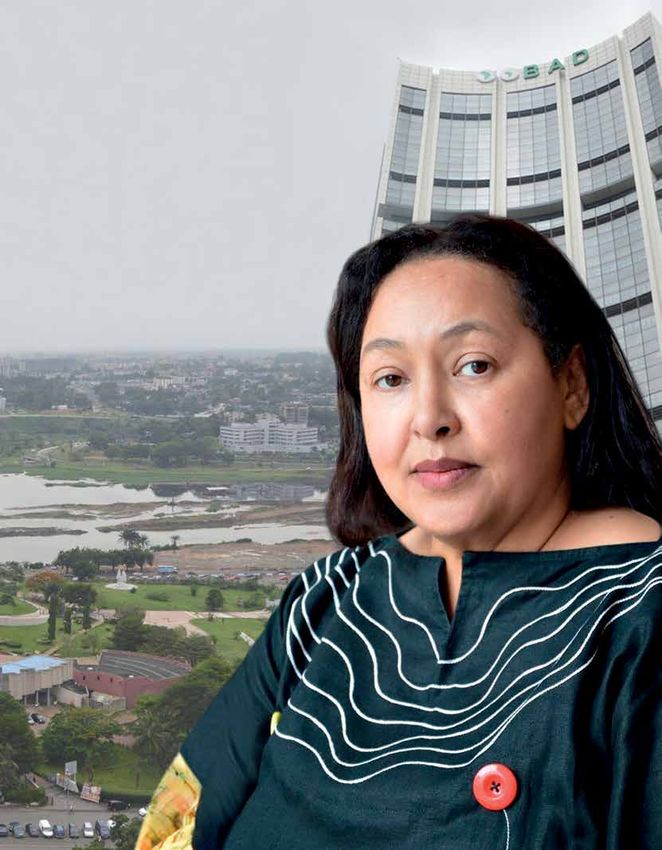
AFRICAN CITIES #01

62
AFRICAN CITIES #02

    By: Mariam Lady Yunusa
    Recently retired from UN Habitat
    as Director of Parnerships and
    Manager of the African Urban
    Agenda

    Africa is ready
    for Quito – not in
    54 disparate
    entities, but as
    one block, with a
    common position, with
    one voice. It is
    indeed cause for
    celebration and expectant
    jubilation.

    The mail came in from one of the two
                                                   Africa's road to
    African Members of the Habitat III
    Bureau who was coordinating Africa’s
    position at the negotiations on the New      with one voice. It is indeed cause for    focus but they set the stage for global
    Urban Agenda. “We have a document            celebration and expectant jubilation.     awareness and regional policy debates.
    on which we are all agreed.” The relief                                                The urbanisation phenomenon was not
    that followed was palpable among all the     Why is this such a milestone? Although    associated with Africa and some parts of
    African diplomats, professionals, experts,   a new mandate for the United Nations      Asia, which were considered rural.
    government focal points, and partner         Centre for Human Settlements (UNCHS)
    networks who have toiled for over two        was derived to support and monitor the    During the Habitat I and Habitat II
    years to build up Africa’s position on       implementation of the Habitat Agenda      Conferences, Africa’s participation was
    Habitat III. Their joy was infectious even   adopted at the Istanbul Conference,       hardly relevant. The continent was still
    across the airwaves. Africa is ready for     and approved by all regions of the        basically rural and participated as a
    Quito – not in 54 disparate entities, but    world, both the Vancouver and Istanbul    continent that neither accepted that it
    as one block, with a common position,        conferences had no regional or sectoral   needed to worry about human settlements

8
The last two decades have seen a marked
increase in Africa’s economic growth and
productivity and with it a rise in the multiple
challenges of rapid urbanisation and the
growth of cities and human settlements.
The consequent growing appreciation
that it is impossible to deal with Africa’s
growth and poverty challenges without
managing urbanisation has provoked the
establishment of the African Ministerial
Conference on Housing and Urban
Development (AMCHUD). Over a period
of 10 years (2005-2015) they met in
different cities of Africa bi-annually,
discussing a wide range of themes on
urbanisation. At its 4th meeting in Nairobi
in 2012, the Ministers took a decision to
“maximise the urban advantage”. This
decision stood on four pillars: develop
a transformative national urban policy;
create a more compact city at human
scale; undertake institutional and legal
reforms and learning to do things
together.
At its session in Ndjamena, the AMCHUD
took a decision to advance partnership
Copyright: www.123rf.com/profile_pxhidalgo’>pxhidalgo / 123RF Stock Photo
(learning to do things together) as the
mechanism for preparing Africa for the
upcoming Habitat III. In appreciation
of the daunting challenge of building
a consensus on urbanisation to reach
a broad understanding of the common
issues that confront the African continent,
and as a response to the need for an early
preparation and to have a unified voice
for Africa at Habitat III, a group of African
Member States took up the challenge and
provided financial and technical support
to facilitate country level preparations as
well as support consultations required for
quito
forging a common position that has been
achieved as a product of the national
reports.
At its 5th Session, African Ministers decided
to further adopt the UN Habitat-led
nor understood the implications of the State pronounced their determination to African Urban Agenda (AUA) as its main
urbanisation dynamics to its predominantly “reap the potential benefits of cities and input into the ambitious and visionary
rural-based primary exports as the towns as centres of economic growth Agenda 2063. The AUA was born as a
backbones of their economies. and places of opportunity and prosperity partnership between government and
for all African people in the course of non-state actors out of the need to raise
The Building Blocks economic development and structural the profile of urbanisation as a force for
transformation.” The AU called upon UN- structural transformation of Africa, as
The first signs of continental consciousness Habitat to continue providing support to well as a vehicle to prepare Africa for
of the challenges and potentials of the Commission of the AU to implement the Habitat III Conference. Subsequently,
urbanisation for Africa was marked by this decision. This marked the opening of the transition of the AMCHUD into the
African Union’s (AU) Decision 29 of space for attention to urbanisation at the AU’s Specialised Technical Committee
2003 in Maputo, in which Heads of highest level. No 8: Public Service, Local Government
9
Decentralisation Urbanisation and Local
     Government (STC No.8).

     The AUA‘s top-down and bottom-up
     approach, which emphasises partnership
     between government, civil society and          Africa’s road to Quito is marked by early preparation
     the private sector, was integrated in
     the work plan of the STC No.8 and
                                                    championed by Member States that committed
     the programme of work of the 10-Year           resources to support national governments to prepare
     implementation plan of the Agenda
     2063, was subsequently endorsed by
                                                    reports in an inclusive, representative, consultative and
     the Heads of State in Johannesburg in          integrated manner. These reports formed the inputs for
     2015. In forging consensus to achieve
     a common position and frame of work,
                                                    the African Regional Report on Habitat III, and inspired
     various strategies were adopted:               the Common African Position on Habitat III.
     • T
        echnical and financial support to multi-
       level and multi-sectorally comprised
       National Habitat Committees to
       prepare their national reports;                Department of Political Affairs, at which   by African Heads of State at its Summit in
                                                      concepts, processes and regional            Kigali in June 2016, served as the main
     • S
        ponsoring civil society members to           position on issues were defined.            premise for Africa’s engagement and
       accompany government partners to                                                           negotiation for the NUA.
       regional and global conferences at           The sub-regional economic commissions
       which they participated in various           were also contacted, consulted and            From New York to Nairobi to Abuja to
       events alongside their counterparts          a some of them invited to the regional        Kigali to Surabaya and back to New York,
       from other regions;                          meetings to participate in shaping the        Africa’s main concerns, which it pushed
                                                    Common Africa Position.                       to see reflected in the NUA, were mainly
     • C
        lose support to UCLG-A by providing                                                      woven around: finishing the business
       strategic inputs into all its regional       Of special note is a side event that was      of the MDGs on slum rehabilitation
       seminars     designed    to   prepare        organised in New York in Sept 2015 at         and prevention; adequate shelter and
       associations of local governments to         the SGD Summit, which was attended by         affordable housing; basic services and
       understand their roles in the AUA,           UNSG, Chairperson of the AU, President        effective environmental management;
       the New Urban Agenda (NUA), the              of the AfDB, Executive Secretary of the       retaining the concept of cities and
       Sustainable     Development     Goals        UNECA and the Executive Director of the       human settlement as a continuum;
       (SDGs) and Agenda 2063;                      UNFPA. At this event the world witnessed      strengthening of institutions and systems
                                                    an Africa that had found its voice, and       for transformative change; enhancing
     • T
        he outline of the processes for            was decisively preparing to engage            environmental sustainability and effective
       the Habitat III were discussed with          the world as a continent with the most        response to climate change in human
       all National Associations of Local           challenges in urbanisation.                   settlements; enhancing Africa’s global
       Governments and this buttressed a                                                          competitiveness; addressing attendant
       strong buy-in to Agenda 2063;                Key messages on the role of urbanisation      consequences of massive movement
                                                    in Africa’s structural transformation were    of populations due to insurgency and
     • U
        N-Habitat took advantage of all            articulated and disseminated at all global    terrorism; urbanisation as a force
       major conferences to hold side events        conferences and Heads of State summits.       for economic growth and structural
       to which cross-section of African            All the strategies outlined served to raise   transformation; and as a catalyst for job
       experts, professional, diplomats and         the awareness of Africa at all levels to      creation for women and youth.
       civil society partners participated, and     the challenges of urbanisation as well
       the concepts of the AUA and its drive        as its potential as a force for structural    Most of the issues of concern to Africa were
       for a common position was explained;         transformation of African economies.          captured in the draft NUA but a point of
                                                    The buy-in and build-up to the Common         critical importance to the continent, which
     • A
        n applied research was commissioned,       Africa Position on Habitat III (CAPH3)        proved tough, was the strengthening
       and the report served as an expert and       that culminated with the endorsement by       of UN-Habitat based in Nairobi as the
       intellectual compliment to the Africa        African Ministers at the Africa Regional      focal point for human settlements and
       Regional Report, which was produced          Conference on Habitat III in Abuja in Feb     sustainable urbanisation. The negotiations
       as a synthesis of the national reports;      2016, was indeed gratifying.                  were held off for four months and a
                                                                                                  couple of points revolving around the
     • S
        everal expert group meetings were          The CAPH3 which stands on eight pillars       implementation and review of the NUA.
       held, under the leadership of the AU         and the Abuja Declaration was endorsed        After 38 long hours of negotiation, the

10
final draft that has been agreed to is resolved diplomats, experts, professionals to shaping a new strategic global urban
testimony to the commitment of the parties and technocrats who spared no night nor agenda with a human face. A global
involved, and the willingness to give and day in keeping the momentum going. vision of the 20th century urbanism, which
take. Africa has stood up to be heard. They kept in tow with emerging positions addresses the specifics of compact cities,
at the negotiation table and consulted polycentric growth, mixed land uses and
The Driving Force one another for redlines, amber lines city skylines, prevention of unplanned
and green lines. Unlike its fragmented growth and sprawl and transit oriented
Africa’s road to Quito is marked by early posture in previous conferences, Africa development, is not only refreshing but
preparation championed by Member on this road is sure-footed as a committed a welcome development to Africa. The
States that committed resources to member of the global community. Africa generality of Africans can relate with and
support national governments to prepare negotiated hard while making its voice find meaning in the New Urban Agenda
reports in an inclusive, representative, clear on its interest and issues germane – a thought without which the world could
consultative and integrated manner. to the development and attainment of its not be said to be truly advancing.
These reports formed the inputs for the Agenda 2063.
African Regional Report on Habitat Needless to state that post-Quito will
III, and inspired the Common African Africa is going to Quito’s Habitat III be critical as all eyes, so to speak will
Position on Habitat III. with a stronger voice than hitherto, yet be on Africa as the last global frontier
as a continent that is keenly aware of of urbanisation to uphold its loud and
Africa’s road to Quito has been framed its challenges and, more than ever, the articulated voice into concrete sustainable
by strong partnerships, alliances and need for building trust and alliance within programmes - programmes which will
unflinching resolve. Member States itself and the people as well as the need give hope and confidence to the youth
have been faithful to their resolve to do to cooperate with international partners of Africa and equip them to own their
things together and with cooperation and in a mutually respectful and beneficial future … programmes that will stimulate
collaboration. UN-Habitat, the Economic manner. economic transformation and promote
Commission for Africa (UNECA), the regional integration in Africa.
AfDB and the UCLG-A gave the requisite Africa is pleased to have overcome its
support to the AU to formulate the CAPH3 traditional weakness of fragmentation Africa’s road to Quito has been tough,
that was built on all of Africa’s previous and has learned value in sharing views exerting, challenging and engaging but
commitments as already highlighted. and pooling resources on its way to Quito. absolutely rewarding and I believe, worth
Backed by a team of dogged and firmly The continent is glad to have contributed it all. •
11AFRICAN CITIES #02
Rapid pace
of urbanisation
By Kerry Dimmer
12The way we think about urbanisation has changed dramatically since
Habitat II, where it did not feature as strongly as it will at Habitat III.
Dr Frannie Léautier, Senior Vice-President of the African Development Bank
provides comment on the conference and the economic
sustainability of African cities.
For Africa this is going to be a conference “Nevertheless I do believe that the In being closely aligned to the Habitat III
that will have much importance, and Habitat III discussions could go beyond conference, the AfDB is co-sponsoring
couldn’t be better timed as the continent’s these elements to really explore ways a joint publication on African cities with
cities face and tackle the challenges of to put urban development at the centre UN Habitat, and is also planning a joint
the rapid growth of urbanisation. of Africa’s economic transformation AfDB/(UK) Department of International
process. This would include highlighting Development/UN Habitat side event
One of the most significant events will be and clearly setting priorities and around the findings of the publication. In
the adoption of the New Urban Agenda, targets related to the materialisation addition there was a proposal made by the
a document that in essence is an action- of urban development’s transformative AfDB’s Development Research Department,
oriented blueprint, which ‘will set global economic opportunities and positive which was approved, to host a networking
standards of achievement in sustainable externalities such as creationing more, presentation on State of African Cities
urban development, rethinking the way and better, jobs (including for the youth), 2017, and another on Housing Dynamics
we build, manage and live in cities industrialisation, productivity increase, in Africa as a side event.
through drawing together cooperation with enhanced prosperity and quality of life.”
committed partners, relevant stakeholders, “We are currently working with UN
and urban actors at all levels of government African Urban Agenda Habitat in Nairobi for the presentation
as well as the private sector.’ of the side events. We have also been
Léautier also says that it is important to approached by our colleagues from the
“The New Urban Agenda is,” says Dr clearly acknowledge the importance of World Bank Global Practice on Urban
Frannie Léautier, Senior Vice-President the financing implications of the African Development for consideration to speak
of the African Development Bank Urban Agenda and make efforts to come at their own side events, but this is yet to
(AfDB), “a commendable vision that up with an estimate of the financing be confirmed,” says Léautier.
has so far set the scene in preparation needs to support the Agenda.
of the consultations for the Habitat Status quo
III discussions. It has several merits “It is equally expected that the Habitat
including the efforts to take stock III discussions will tackle the crucial Considering the timing of Habitat III, it
and learn from the achievements of question of how to secure adequate and is pertinent to visit the issues currently
the Millennium Development Goals, innovative financing to ensure that the facing African cities. Over the past 50
and most importantly builds on Goal Urban Agenda truly works for African years, Africa’s centres of economic activity
11 of the Sustainable Development people. have shifted markedly from the agrarian
Goals (SDG) to propose a new global countryside to urban areas. Urban areas
urban paradigm geared towards “I believe that it would add value now account for the bulk of economic
achieving inclusive, sustainable urban that the African Urban Agenda activity given that more than a third of the
development, which puts African people specifically includes advocacy and population now live in towns and cities.
and the improvement of their livelihood capacity enhancement aspects geared
at the centre of the agenda.” (Goal 11 towards pushing for collective efforts to For Léautier, there are many areas that
of the SDG is to ‘make cities and human continuously support and bring countries need to be investigated and considered as
settlements inclusive, safe, resilient and to realise the necessary transformative potential drivers of economic and social
sustainable.’) changes and adequately insert urban development. “Domestic demand in urban
development opportunities and areas is increasingly becoming important
“The fact that the debates around challenges in their national development in supporting rural production and
Habitat III will be focused on political and plans and strategies. agricultural productivity. Linked to this is
substantial decentralisation, land policies that the urban sector currently accounts for
and effective planning systems, and “Without strong commitment and buy- 40 percent of the total population, including
integrated human settlements strategies in at national level, gathered through home production, and 60 percent of the
that make housing and service rights work participative consultations and debates food market. We need to feed this market,
for the poor, is most welcome as these culminating to national urban plans in through our own resources.”
touch on the important building blocks most of the countries, the implementation
of sustainable urban development,” of the African Urban Agenda may face Improvements to production value chains
continues Léautier. significant challenges.” are needed. As Léautier points out, the
13more densely populated an urban area
is, the more support should be given to
post-farm segments of food value chains
beyond primary production. “These
segments include wholesaling, processing,
logistics, distribution, retail and food stalls,
and the larger pool of urban customers
enables firms to avoid under-utilisation
and other seasonal effects.”
The informal economy of Africa has
worked remarkably well in producing
entrepreneurs in the food sector
particularly but this needs to be enhanced
so that productivity can be improved
through, suggests Léutier, increases in
clustering and networking. With more
productive informal and non-farm jobs
flourishing in close proximity to towns
and cities, farmers close to those areas
can provide employment opportunities.
Another aspect to consider is that
urbanisation creates demand for industrial
products and this contributes to structural
transformation and industrialisation.
“Rising incomes shift household
demands towards industrial products,
while the middle-class preference for
diversity allows value-creation through
differentiation. Moreover, by mending
Africa’s infrastructure deficit and building
new cities, housing and commercial
properties generate significant demand
for construction materials and supporting
industries.”
Supporting structural transformation
requires inter-city and intra-city connectivity.
Léautier says that investment in connective
infrastructure, logistics and storage capacity
is required. “By reducing trade costs among
cities, and having such cities specialise
in niche functions and complementary
products, as well as improved transport and
communication, the market catchment can
be expanded for firms, which will further
Dr Frannie Léautier reduce the transaction cost of sourcing
intermediate inputs from specialised cities
within a chain.”
One of the most important aspects
The New Urban Agenda is a commendable vision remains that by encouraging
that has so far set the scene in preparation of the specialisation and shared services, cities
also generate external economics, which
consultations for the Habitat III discussions. can be classified into three functions:
matching, sharing and learning. Léautier
expands: “The concentrated pool of
workers and supply industries allow
14firms to specialise in their comparative
advantage and outsource uncompetitive Informal growth
activities. Subcontractors can take
advantage of the group of potential While there may be steady economic growth in Africa, this has not been matched
customers inside the clusters to scale up by proportional formal employment creation. The proportion of the labour force in
their operations. vulnerable employment in Africa dropped by only two percent between 2000 and
2015, despite exceptionally robust GDP growth rates of over five percent a year
“In addition, cities facilitate access fuelled by a long commodity boom. “Most workers thus stayed in the informal services
to a wider range of shared services sector, for instance as street vendors, with no prospect of moving to more productive
and infrastructure. The concentration activities and durably improving their livelihoods,” says Léautier.
of users spreads the fixed cost of
indivisible goods and facilities such The informal economy is estimated at 61 percent of urban employment and 93 percent
as public mass transportation, of all new jobs created. Most people are trapped in vulnerable employment or are
skill training centers, universities forced out of the labour force altogether. Léautier says that to be able to meaningfully
and machineries. support, particularly youth progression, and create the right jobs, skills development
is key to match youth skills with the available urban job opportunities. Employment
“Investments in cities offer surrounding creation in a world shrinking through mechanisation is going to remain a problem
regions better connectivity to national and but the adoption of new technologies enables diversification into new industries and
global markets,” continues Léautier. “and high-tech manufacturing, especially now with more foreign investors linking to local
enable knowledge sharing and the cross- firms. Combined to this, the clustering of firms into inter-related groups is helping to
fertilisation of ideas. Proximity facilitates reduce the cost of doing business and enabling the transfer of skills.
communication and sharing complex
ideas among firms, research hubs and “Urban authorities should be looking at providing more incentives, including tax
related actors through a process of breaks, for firms that invest in local companies or providing skills transfer by training
comparing, competing and collaborating. locals. Léauter says: “If urban cities provide seed capital and funds for research
and innovation, firms are enabled to attempt new ideas and fulfill ‘nursery’ roles by
Close contact generates the trust and developing new products and experimenting with business processes borrowed from
formation of formal and informal networks different activities. This process of trial and error through deductive tinkering adds to
of innovation. The innovation-generated the country’s know-how and complexity.”
productivity gains attract mobile capital
and talent to enforce a virtuous circle of More also needs to be done to protect street traders from being seen as undertaking
endogenous growth.” illegal activities. Léautier remarks that supporting local traders in urban cities starts
with recognising the role they play in the urban economy and the potential for them
None of these are going to transform cities to graduate into formal entities that can contribute to the revenues of the urban
into engines of growth however, unless authority. “A comprehensive reform package is necessary to bring these workers
there is investment into sustainable public under some legal protection, ensure minimum wages and non-wage safeguards,
infrastructure and services, without which train them, and match them with jobs for a gradual progression into higher-value,
will impose huge costs on third parties that formal work. Participatory approaches can also help integrate informal firms into
are not necessarily involved in economic the urban fabric and facilitate the development of an organised formal urban sector.
transactions. “Congestion, overcrowding, Appropriate regulations and targeted incentives enable informal employers to move
overloaded infrastructure, pressure on beyond merely subsisting to saving for and investing in productivity growth.”
ecosystems, higher cost of living, and
higher labour and property burdens As will be seen from the outcomes at Habitat III, the solutions and creativity in solving
can offset the benefits of concentrating not just Africa’s but the world’s urbanisation issues, will advance change. For now
economic resources in one place. And though massive urban growth is a challenge and opportunity for Africa. Léautier says:
these negative externalities tend to “Africa must anticipate that rapid urbanisation will come with significant challenges
increase as cities grow,” says Léautier. if proper planning doesn’t exist. Unplanned urbanisation will result in environmental
degradation, rural urban migration leading to unemployment and crime, overloading
Fortunately, urbanisation does present of physical and social infrastructure as well as widening skills mismatch and inequality.
opportunities that can fast-track some of
the challenges, such as the use of modern “To take advantage of the dividends of urbanisation, policy makers must ensure
technology and innovation. The pooling that urbanisation policies address issues like human capital, entrepreneurship and
of financial resources, particularly from industrialisation, as well as the core urban concerns of infrastructure and urban
the private sector, is something that form. The emergence of sprawling, car-dependent cities for the next two- or three-
governments are beginning to use more billion urbanites will require policies that favor transit-oriented development, green
frequently to provide infrastructure. building design and sustainable land use and could help make the current wave of
Such PPP initiatives must be devoted to urbanisation part of the solution to the world’s environmental challenges, rather than
tapping into the potential for structural part of the problem.” •
development.
15AFRICAN CITIES #02
interview with Jacqueline Moustache-Belle
Co-President of UCLG; UCLG-A’s Vice President for Eastern Africa and Mayor of Victoria
Copyright: byvalet / 123RF Stock
Photo
voice of the islands
In your role as a UCLG co- at the centre of all key decisions in terms Africa’s destiny is inextricably linked to
President, how did you promote of the development of our continent and that of the whole world. Africa’s failure
and contribute to the Africa agenda our cities. would be the world’s tragedy: and which
and how valuable is it to UCLG? has long been on the sidelines, is now
Africa is now widely recognised as the increasingly establishing itself as a major
Africa is definitely growing and all continent of the future. Our opportunities player in international life.
pointers indicate that this growth can be are infinite and our potential boundless.
sustainable as long as our most precious The continent is experiencing profound With an increasing growth rate,
resource - our human resource - remains changes but what is very clear is that substantial reserves of natural and energy
17The UCLG has a key role to play in the
sustained growth of Africa, working in
close collaboration with other partners
like the African Union in building
partnerships for innovative solutions to
Africa’s main challenges.
resources and a young vibrant population, Africa has great
opportunities to transform itself into one of the leading economic
regions of the world. The UCLG has a key role to play in the
sustained growth of Africa, working in close collaboration with
other partners like the African Union in building partnerships for
innovative solutions to Africa’s main challenges.
As the platform for local authorities, we have an indistinct
responsibility in strengthening the capacity of our African
countries to develop and manage their human capital. UCLG,
and more specifically, UCLG-A are well placed to feel the pulse
of the people at the grassroots level and ensuring that their
challenges are addressed in the most comprehensive way.
We have been a key factor in ensuring that socio–economic
development programs such as education, employment creation Jacqueline Moustache-Belle
especially for youth, skills development, and health aiming at
poverty alleviation and inclusiveness make a difference in the
lives of people at the local level. What will the African goals be for the World Summit of local and
regional leaders to be held in Bogota during October? And how
If we want to transform Africa and bring it to even higher levels will this meeting impact on Habitat III?
of development, we must start with our cities. No actor should
be left behind in this endeavour. The African agenda is therefore UCLG is holding its World Summit in Bogota on 12-15 October
critical in the work of UCLG. immediately before the Habitat III Conference.
In this regard, we greatly value and welcomed the seven The New Urban Agenda, which is expected to be agreed at Habitat
aspirations elaborated under the African Union’s Agenda 2063 III, is a critical opportunity to support the achievement of the SDG
and the accompanying plan of action to realise the ambitious, agreed in New York in September 2015, and in particular Goal
yet very clear, goals and targets set for the transformation of our #11 that ensures that cities and human settlements are inclusive,
continent. Agenda 2063 and the 2030 Sustainable Development safe, resilient and sustainable.
Goals (SDG) are key roadmaps that are vital.
Expanding urbanisation is a global phenomenon affecting all
We believe that all African countries can recognise the challenges countries, particularly in emerging and developing economies.
and opportunities presented in Agenda 2063 and will therefore It presents challenges and opportunities – both of which can be
be in a position to take ownership of a crucial process that will managed if all actors concerned are well prepared and have a
break the mould that has for so long prevented us from writing framework for urban development.
our own narrative.
Local Governments have a pivotal role to play in this process and
The ambitious targets are a clear reflection of the great promise both the Bogota and Quito meetings are essential in the sharing
that Africa holds, and Seychelles, as the smallest member of the of best practices, in developing synergies, and partnerships
African family will spare no effort in actively playing its part in that can put countries in a position to establish the connection
ensuring that we create “an integrated, prosperous and peaceful between the dynamics of urbanisation, demographic changes
Africa, driven by its own citizens and representing a dynamic and the overall process of national development.
force in the global arena”. This has been by motto throughout
my mandate at the UCLG and I spared no effort in ensuring that Promoting good urban governance will also be a key issue at
we fully accomplish this goal. both conferences. Urban governance has a substantial impact on
18the performance of urban areas, and influences overall national
development and the consolidation of democracy in a country. islands. An Africa that recognises that when battling climate
change, the survival of island states, that are on the front line of
We should never lose sight that we can advance global agendas this on-going struggle, is intrinsically linked to the survival of all.
in the cities. Cities are well-positioned to help achieve global
agreements such as the SDG, the Sendai Framework, and the An Africa with increased connectivity through maritime links and
Paris Agreement. investment into maritime corridors for trade will allow us to not
only be our own closest and biggest trade partners, but also
At a time when much emphasis is on innovative financing, focus allow us to be global players.
will also be placed on developing new sources of financing
for key projects being pursued in the cities especially in terms I have made it the focus of my work at the UCLG to ensure
of infrastructure development. Public Private Partnerships are that the voice of the islands remains strong. To ensure that the
increasingly being adopted in many cities and there is a need uniqueness of the islands of Africa is recognised. To ensure that
for this new form of partnership to be structured so that it truly our challenges are recognised and partnerships developed to
becomes a win-win for all. unlock our true potential.
Such goals need to be endorsed by various stakeholders. Who We may be small but this does not mean that our challenges in
are those, and what will African leaders need to do to ensure urban development are equally small. On the contrary, small
that those goals are achieved? capitals make excellent case studies in terms of how various key
challenges like climate change, limited resources and revitalising
The whole point of these conferences is for us to develop trade are being addressed and this could be emulated by bigger
common positions, share our experiences and collectively capitals. There is still much work to be done but I believe we
find solutions that will enable us to address the issues being have a reached a point where we can no longer leave out the
identified. Partnerships are pivotal in this common endeavour, preoccupations of the islands in global discussions especially
for the UCLG and others. those that concern urbanisation.
We will need the buy-in of all stakeholders including governments, Habitat III is being held at a time when the “Africa Rising” concept
local authorities, NGOs and various international partners as we is being promoted. What for you are the most significant issues
all have a role to play. Once we commit to the declaration of that the conference will discuss in terms of an African scenario,
both summits, we need to honour our commitments. or that Africa can learn from?
No efforts should be spared by African leaders in our common Fifty years ago, the dream of the founding fathers of the OAU was
efforts of building resilient cities. This requires focus and clarity in that of a unified Africa where African States could intensify their
terms of the various national development plans while ensuring cooperation and efforts to achieve a better life for the people of
that local authorities are empowered and given the resources
that will enable them to make cities prosper.
Strategies are required to help cities deliver quality public services
and education, link people to jobs through accessible transport, At a time when much emphasis
and facilitate and sustain an affordable housing supply.
is on innovative financing, focus
You are also the Mayor of the African island Seychelles. What will also be placed on developing
trends are you noticing in terms of city and urban African
development? Have you played a role in pushing that agenda
new sources of financing for
at global events? key projects being pursued in
While we each have our unique culture and heritage, island
the cities especially in terms
states intrinsically share some fundamental commonalities. I am of infrastructure development.
the Mayor of one of the smallest capitals in Africa and the world.
Public Private Partnerships are
I highlighted the importance of Agenda 2063 to UCLG. As island increasingly being adopted in
nations, we believe very strongly that Agenda 2063 vision for
Africa is a forward-thinking aspiration that all of Africa should
many cities and there is a need for
see itself reflected in. Island states must see themselves, and the this new form of partnership to be
dreams of our nations, reflected within this modern dream for
our continent.
structured so that it truly becomes
a win-win for all.
For Seychelles this dream is one of a cosmopolitan Africa that
treasures and appreciates its smaller, but no less valuable,
19the continent. This was at a time when Africans were on the very Quito also provides us with another opportunity to break the
brink of overthrowing colonisation and independent sovereignty perception that Africa is a continent of only challenges. We need
African States were becoming realities. to bring innovative solutions to the table and forge stronger
south-south cooperation to bring about the change and future
More than 50 years later this dream is still very much alive. We we want.
want a unified continent, where our people remain inspired,
innovative and are masters of their own destiny. The global You are the first woman to have a co-Presidency role within
context and political paradigm in this past half century has UCLG. What has this meant to you, and how does this impact
changed considerably but we have been able to adapt to the on African women?
changes and become more than ever committed to our goal of
working together for the same end. It has been an honour for me to serve Africa on UCLG and
I believe it was a victory for all African women when I was
This unity, in the aspiration of our continent, will be important elected for this post. I truly appreciate the opportunity that I was
at Habitat III so that the African agenda and priorities occupy given in promoting the African agenda on UCLG and I am of
an important place at the Quito deliberations. The strategy the opinion that my election will add to the unwavering efforts
document Optimising the Urban Advantage, which emerged deployed by many African women and men working towards
from the fourth edition of the African Ministerial Conference gender equality in Africa while ensuring that the women of
on Housing and Urban Development (AMCHUD4) in 2012, Africa are empowered. African women is a strength of our
encapsulates the various issues of importance to our continent continent which is often overlooked. The time has come for
and it will be our responsibility to ensure that we acquire the us to valorize our strengths, if we are to move forward as a
necessary support to ensure its effective implementation. continent. •
20AFRICAN CITIES #02
Attra
Estate
22Precipitously, the
ctive Real horizon of the city of
Accra is changing.
The Capital is now
Investment
West Africa’s hub
of real estate. From
government housing
projects to roads
Hub and highways to
redevelopment of
the country’s main
entry and exit points
by air, to private real
estate development,
Ghana is seen to be
paying attention to
building the necessary
infrastructure
for accelerated
development.
by PAA SWANZY
Timeworn lorry parks are being neglected
for modern office blocks. Tumbledown
colonial government bungalows that
served past dignitaries are being pulled
down to make way for world class
residential estates. Estate developers are
rushing to buy large tracts of land on the
fringes of Accra at bargain prices to keep
in their portfolios for future real estate
development.
A drive from Accra Central on
Independence Avenue all the way to
Tetteh Quarshie reveals huge billboards
announcing all manner of real estate
projects currently under construction.
The beaches are also getting their share
of the rush to build and sell property.
Someone thought Labadi Beach might
one day become something similar to
the beaches of Palm Beach, Florida, Rio
de Janeiro or Waikiki, Hawaii and Viola!
A new project is born by the name, La
Beach Towers: this 18-story apartment
complex is being built in three phases with
23phase 1 having 66 units. Beach lovers are opulent business centres in West Africa,
falling over themselves to stake their turf. this ambitious project by Dream Realty is
Wonda World Estate has also secured a It is the area of Accra a mixed-use property comprising luxury
site along the beach for its beach front
development project, which they say will
called Airport City office and hotel suites and retail space,
all offering leisure, food, business or
be one of a kind. that truly reflects the hospitality services.
It is the area of Accra called Airport
amount of investment The Centre comprises a 200 hotel room
City that truly reflects the amount of dollars, from both local block, 13 floors of office space, five floors
investment dollars, from both local and
foreign sources, pouring into real estate
and foreign sources, of parking, a food court, five cinema
theatres, world-famous branded shops
development activity in Accra. The speed pouring into real estate and supermarkets, and space for clinics,
at which construction projects are taking
off in this part of Accra is remarkable.
development activity in banks and world-class tenants. Next
door, at what was the Accra Race Course,
Accra Kempinski Hotel Gold Coast City has an all
Marina Mall, a shopping mall and office new five-star 269-room hotel to compete
complex owned by the Marina Group of with the Moevenpick Ambassador Hotel
Burkina Faso, was completed barely two and Novotel (now Accra City Hotel) in the
and a half years ago. Shortly after came Walking distance away is Atlantic Tower, vicinity.
South Africa’s RMB Westport that a year a modern 13-story architectural office
ago completed its flagship mixed-use edifice, sited on a two-acre land owned by The banking industry is not excluded from
property named Icon House in the same the Meridian Group. the fray either. Agricultural Development
Airport City, with Stanbic Bank already Bank erected its new corporate
signed up as anchor tenant. The African Sun Hotel, in this same enclave, headquarters (Accra Financial Centre)
was built by Trassaco. Other name-brand next door to the Moevenpick Ambassador
Next door is Nester Square, another mixed- international hotels are gunning for space Hotel, while Societe-General has moved
use office tower and retail development, in the same vicinity because of its proximity into its new headquarters along the Ring
being built for Ernest Chemists by the to the Kotoka International Airport; the Road, a walking distance from the famous
construction firm DeSimone Ltd. The eight- main entry and exit points to the country Busy-Internet.
floor building is designed to accommodate by air. Nester Square, SSNIT Emporium,
a balance of commercial offices, retail and Manet Towers are among the new Other banking structures are rising
shops and services. It has houses chic and edifices in the airport region. and it is definitely a sign of the positive
upscale eateries and shopping centres. economic trends in the country currently.
The retail and commercial areas are also In the Oxford Street area of OSU on The very first office park project in Ghana,
environmentally managed to comply with Kuku Hill, a 1.2-acre piece of land has Capital Place is being built by Mobus
international standards. been turned into a 120-unit apartment Property Development in the Airport
complex called Chateau Towers. This Residential Area. This office park is a
Tony Sekyere is the Head of Property project is being developed by Hollywood cluster of buildings with multiple offices
Management at facilities management International Developers; their very first offering various professional services in a
firm, Broll Ghana Limited. He asserts that in Ghana. Preceding this development commercial park setting.
the recent oil and gas boom in Ghana is a year before, GLAHCO had completed
part of the reason why there’s been this a beautiful 13-storey shopping mall and It is in the Cantonments, Airport
surge in high rise building complexes. hotel complex on Oxford Street called The Residential and Ridge areas that the
He says that the oil and gas discoveries Oxford Street Mall, whose anchor tenant fiercest competition for high-end
have not only increased the number is Shoprite, a supermarket brand from residential real estate development is
of businesses in the country but also South Africa. currently occurring. As the most desirable
inspired the desire by corporate entities part of Accra, particularly favoured by
to have decent offices, which will serve Another addition is No. 1 Oxford Street, foreigners, apartments, condominiums
their comforts as well as their clients. a high-end luxury residential, commercial and town-home projects are fiercely being
Mr. Sekyere’s outfit Broll, which is owned and recreational development property erected. The rush to build in this area is
jointly by Social Security and National that is being constructed by Wonda World not surprising, considering the high rents
Insurance Trust, State Insurance Company Estates. properties command.
and the Broll Group of South Africa,
manages properties in the $100 million- Not to be surpassed, the central Expect to buy a 3- to 4-bedroom
plus bracket, with most of them located in business district of Accra is hosting apartment in such an area from $450,000
Accra. The A and C Shopping Mall, West some construction activity. The sprawling to $600,000, with rentals around $3500
Hills Mall, the Achimota Retail Centre, 13-story Octagon Business Centre in to $4500 unfurnished. A one-acre piece
the Accra Mall, are some of the other big the heart of Accra is almost complete. of land in this area costs between $2.5
malls being managed by Broll Ghana. Dubbed as one of the most expansive and and $3-million and a developer need only
24build apartments or condos sky-high to residential properties in the Cantonments high in the country today, just as
make a profit. and Ridge areas. It may surprise many demand for high-end residential real
people that it is possible to find a estate continues to be brisk. Accra
Meridian Apartments II, Kwarleyz, Sloan $2-million penthouse apartment to buy Mall, A&C Mall, Marina Mall, Oxford
House and Villaggio Vista are all projects in today’s Ghana. Visit the Villaggio Vista Street Mall and the all new Achimota
that have been completed at the Airport and La Beach Towers to explore. Retail Centre are not proving enough
Residential area, while the Switchback to satisfy the growing demand for
Park Project, Aurora Apartments, Goldkey It is obvious that the demand for office, retail space in a city with a population
Properties and Devtraco are building hotel and retail space is extremely of five-million.
Infrastructure renaissance reflects the needs of the people
The capital Accra is seen to be in the lead for an infrastructure The government has wide open arms for welcoming foreign
renaissance. A quick stop around the main airport city area is a investors into the housing sector. The huge concessions granted
testament to such ongoing development in infrastructure. Estate by government to the South Korean investor STX to build 200,000
development is fast on the ascendancy in the city, one key centre houses, before the project collapsed under boardroom wrangling,
of attraction - The Kwame Nkrumah Circle, which is a hub for is ample evidence of the open-door policy of government to attract
informal and formal business activities - is experiencing a facelift foreign participation in this sector.
with the Brazilian construction company Queiroz Galvao. This key
intersection in the major road networks, and its relevance and This policy is given an acronym PPP (Public Private Partnership)
prime location in carrying goods and passengers, has become a and foreign companies like Brazilian Construtora OAS, Nairobi
bottleneck in the business district carrying some 84,000 vehicles based Shelter Afrique and the Addoha Construction Company of
a day. The Euro 74-million project, scheduled to be completed in Morocco are taking advantage of this huge opportunity.
June 2015, has been bumped for completion in September 2016
but progress indicates that even that deadline will be missed. The Accra’s development reflects the needs of the rest of the country,
Brazilian government loan-facilitated project will save Ghana and what is being achieved in that city can be replicated in
some US$25-million annually according to the President of the Takoradi, the oil city, Kumasi, the garden city, Sunyani, Tamale,
Ghana Institution of Engineers, Magnus Lincoln Quarshie. Ho, Cape Coast, and so on. With a vibrant economy, a rising
populace, a sophisticated and well-read professional class, the
One sector literally begging for investors to explore but which has demand for a myriad of real estate development hugely outstrips
largely been ignored is the warehousing industry, in desperate supply.
need of storage for imports and exports as a result of the expansion
of the ports and harbors. “It is a sector desperately waiting to be explored, and the Ghana
Investment Promotion Center (GIPC) is doing everything humanly
Another overlooked sector is low-end real estate. Even though possible to attract foreign investment into this sector,” says Mrs.
demand for middle-income and low-end residential real estate Mawuena Trebarh, CEO of GIPC.
is extraordinarily high, supply in this sector is extraordinarily short
because of the lack of construction financing and the high costs of “If you are an investor with a shopping list of emerging countries
building materials. to plough your investment dollars, Ghana should be on the top
of that list,” says Dominic Akwetey Monney, Managing Director of
Property developers in this sector have to settle for the practice Newmoncreek Properties Limited.
called “build-on-request”, in which houses are only built when a
request is made by a potential buyer; the buyer pays for the house For a country widely acknowledged to have moved from low-
in installments as construction progresses. The industry practice is income to lower middle-income grade (according to The World
then for builders to buy large tracts of land, subdivide and sell as Bank classifications), with a reputation for economic and political
serviced plots, from which they derive income to start the build-on- stability, Ghana is becoming the go-to investment destination as
request process. well as a springboard for investors from all over the world, seeking
a safe haven to place their investment dollars on the African
Apart from RegimanuelGray Ltd, RSS Developers, Devtraco and continent.
a handful of others, several members of the Ghana Real Estate
Developers Association (GREDA) can only survive in business If this trend continues, the confidence, peace and tranquility
mainly through building on request, due to the reluctance of local the country has chalked over the years should bring in more
banks to grant construction loans and mortgages. This lack of investment, some of which should trickle into the real estate sector.
construction financing has created a huge gap between demand This trend has happened in so many other countries all over the
and supply in the middle-income and low-end residential real world, the US being a classic example, so the question is: can the
estate sector. Consequently, it is in this regard that some creativity investor community can stay away from a country like Ghana with
is most needed. a housing deficit of 1.7 million housing units? •
25You can also read


