Economic rationale of NBS in freshwater ecosystems - WWF
←
→
Page content transcription
If your browser does not render page correctly, please read the page content below

Economic rationale of NBS in freshwater ecosystems
Economic rationale of NBS in freshwater ecosystems

          Author(s)
          Bregje van Wesenbeeck (B.K.)
          Sien Kok
          Camilo Benitez Avila
          Robyn Gwee
          Ellis Penning

2 of 63   Economic rationale of NBS in freshwater ecosystems
          11206081-002-ZKS-0001, 22 February 2021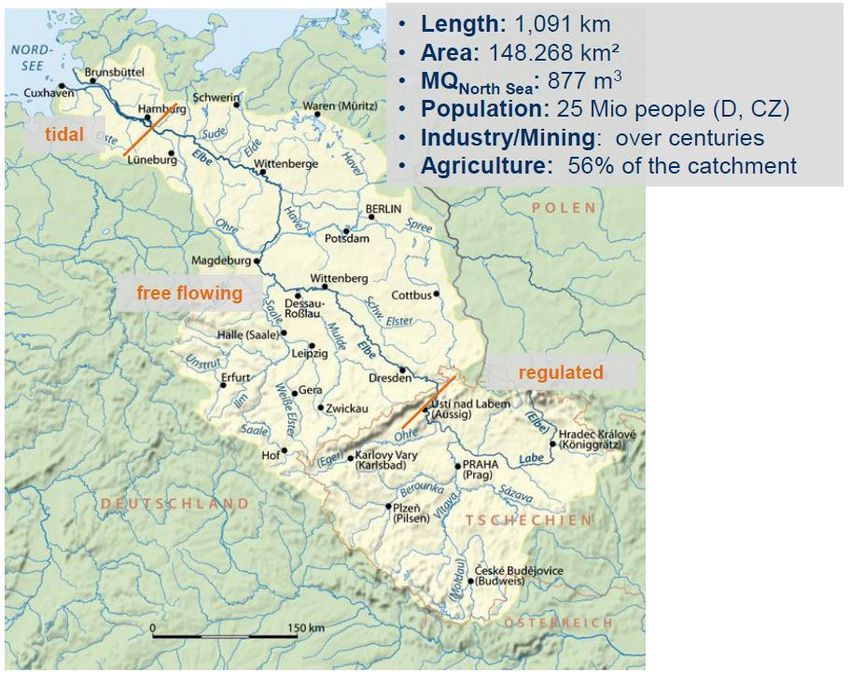
Economic rationale of NBS in freshwater ecosystems

 Client                     WWF Netherlands

 Contact

 Reference

 Keywords                   Nature-based solutions, economics, EU Green Deal

 Document control

 Version                    0.1

 Date                       22-02-2021

 Project nr.                11206081-002

 Document ID                11206081-002-ZKS-0001

 Pages                      63

 Classification

 Status                     final

 Doc. version               Author                       Reviewer              Approver       Publish

 0.1                        Bregje van Wesenbeec         Tom Buijse            Toon Segeren
                            k (B.K.)
                            Sien Kok

                            Camilo Benitez Avila

                            Robyn Gwee

                            Ellis Penning

3 of 63        Economic rationale of NBS in freshwater ecosystems
               11206081-002-ZKS-0001, 22 February 2021
Executive Summary

          1. Introduction
          Amidst a global health and economic crisis and with an ongoing climate and biodiversity crisis,
          the call to transition to a green and inclusive economy rings ever louder. Unfortunately, Covid-
          19 recovery packages largely include business as usual projects that cannot be labelled as
          “green” 1. Nevertheless, economic recovery packages could still be instrumental to shift the
          paradigm towards a society and economic system that values nature and focusses
          investments on solutions that reduce the impacts of natural hazards, help mitigate and adapt
          to climate change and protect and enhance biodiversity. Nature-based Solutions in the realms
          of land use, forestry and river management are widely recognized (e.g. by IPBES, WEF,
          WBCSD, EC) as a promising avenue to these ends.

          Pollution and human interventions in hydrology and land use have compromised the ecological
          state of rivers across the globe. In Europe most rivers are strongly modified by human
          interventions2, resulting in a severe decline in populations and diversity of freshwater species:
          60% of European water bodies has a moderate to bad quality status3. At the same time, climate
          change is resulting in changing rainfall patterns and more extreme weather events, leading to
          increased occurrence of floods and droughts4. In many cases, grey infrastructure is the first
          response to manage flood risk and adapt to climate change. In general, institutional set-up and
          incentives of public authorities responsible for water management are geared towards
          construction of grey, monofunctional infrastructure, instead of serving multiple objectives and
          evaluating a range of benefits.

          The need to find a way to use our natural resources in a more sustainable manner is
          recognized in the European Green Deal, expected to mobilize at least € 1 trillion5, which aims
          to support green economic development in the EU and will include major investments in,
          among other things, protection and restoration of forests, soils, wetlands and rivers.
          Investments in these systems are typically identified and coordinated by public authorities in
          the course of river basin management. Economic evaluation often plays an important role in
          the selection of alternative solutions, demonstrating their economic rationale and identifying
          optimal solutions6. Embedding NbS in this process is not always easy: NbS have to compete
          with decades of institutional specialization and knowledge accumulation on technical, grey
          infrastructure solutions.

          In this report, we examine whether NbS are valid investment to boost ecosystem services
          derived from European rivers and to enhance green economic development. We define the
          role NbS can play in a riverine context (section 2) and review the evidence base on the
          economic rationale of investing in NbS (section 3). Two cases are used to explore the potential
          of NbS investment to promote green recovery and economic development, in the Danube and
          Elbe.

4 of 63   Economic rationale of NBS in freshwater ecosystems
          11206081-002-ZKS-0001, 22 February 2021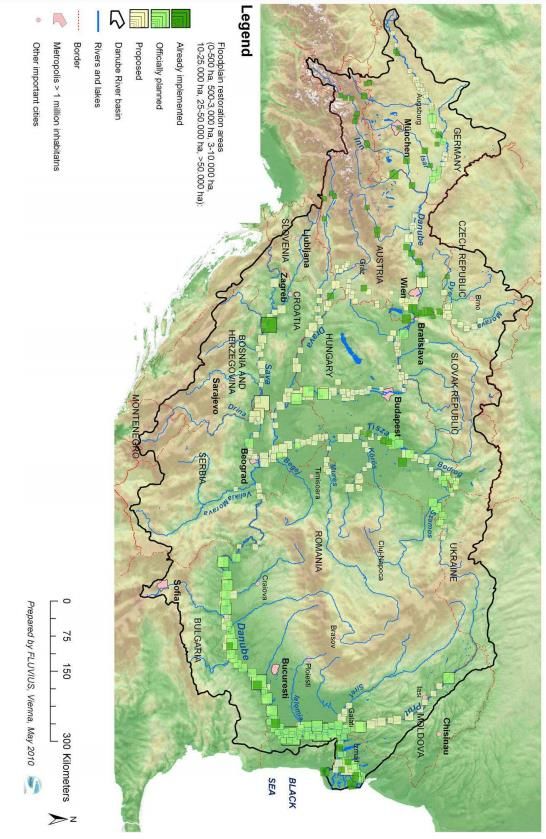
2. NbS in freshwater ecosystems
          Freshwater ecosystems are vital for the existence of human lives as they provide transport
          routes, hydropower, irrigation and drinking water and a wide range of other ecosystem services
          including recreation, landscape and biodiversity, contributing to human health and well-being.
          Unsustainable exploitation and modification of river functions and of ecosystem services by
          humans can lead to enormous impacts on river systems, often resulting in negative effects on
          biodiversity and nature and reducing the capacity to deliver the full spectrum of ecosystem
          services.
          Balancing between different functions and users is the key to sustainable river management,
          and highly needed to tackle the full range of societal challenges facing river systems today.
          Where we often optimize or transform river systems for a single function in current practice,
          NbS can play an important role in making a shift towards a more natural, multi-functional river
          management approach. Nature-based solutions are the actions to conserve and restore
          ecosystems to make use of ecosystem services for societal purposes, such as climate
          adaptation or mitigation of floods and droughts.

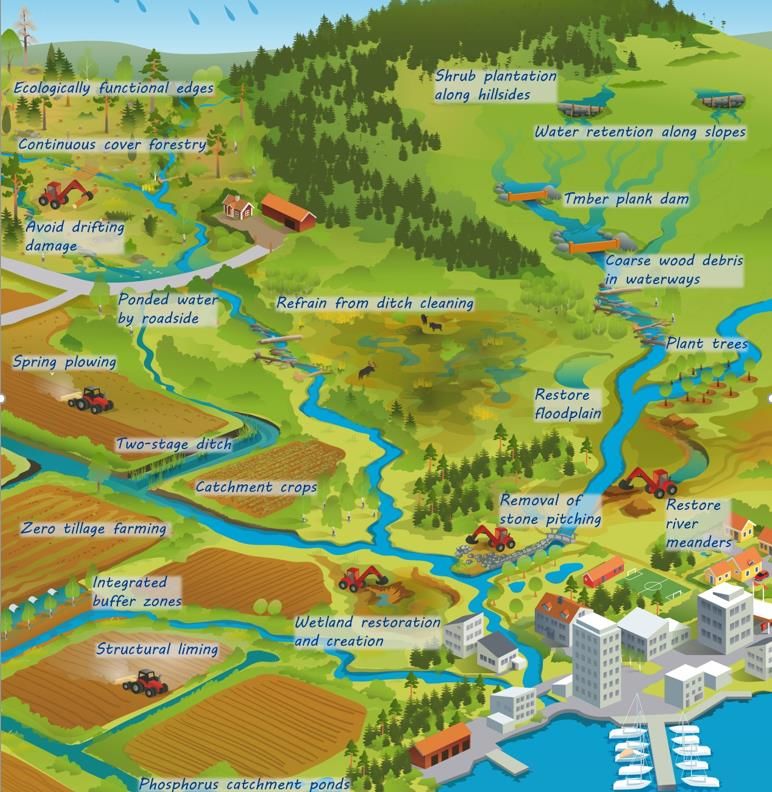
          Along the entire river system, from upstream headwaters to downstream estuaries, there are
          opportunities for small and large-scale NbS that support climate resilience (Figure 0.1). In
          upper river sections this includes sustainable land use management, restoration of natural
          forests, grasslands and peatlands and stream protection. In middle and lower river section,
          NbS include, amongst others, re-meandering, riparian shading, protecting marshy streams and
          floodplains, reviving or creating side channels, restoring and reconnecting floodplains,
          widening and lowering floodplains, restoring wetlands and constructing natural retention areas.
          In urban areas, disconnecting rainwater drainage, water storage in streets and public spaces
          replacing impermeable surfaces and sound zonation and building codes all contribute to
          reducing flooding.

          Figure 0.1 Action perspectives for climate resilient river valleys7.

5 of 63   Economic rationale of NBS in freshwater ecosystems
          11206081-002-ZKS-0001, 22 February 2021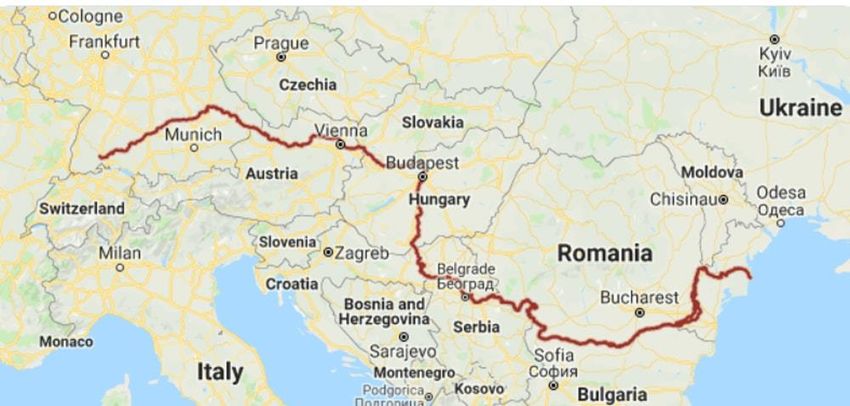
Making combinations between NbS and hard infrastructure (hybrid solutions) and with non-
          structural interventions will most likely result in strategies that meet multiple management
          objectives in a cost-effective manner. To improve management of the entire river, localized
          NbS can be used in concert with large-scale approaches, such as integrated river
          management.

          3. Economic rationale of investing in NbS
          Public authorities employ a range of criteria and requirements to determine the merits and
          rationale of investment decisions in river management. Economic evaluation, e.g. in the form
          of cost-effectiveness or cost-benefit analysis, is often a key aspect in the decision-making
          process. To date, there is limited but increasing experience with quantifying the value of NbS
          in river systems: the growing number of initiatives in river restoration and application of NbS in
          freshwater ecosystems rapidly increases the evidence base on NbS effectiveness and cost-
          effectiveness.

          1. Healthy rivers deliver valuable ecosystem services that are a prerequisite for human
          well-being and economic development

          At its core, economic value is about the well-being of humans. Healthy rivers and their
          floodplains provide a wide range of vital ecosystem services that benefit humans, including
          water retention and regulation, biodiversity, drinking water provision, flood protection, carbon
          sequestration, erosion protection, spatial quality, recreational amenities (e.g. swimming,
          boating, fishing, birding, hiking), nitrate and phosphorus cycling 8,9. Optimizing one of these
          functions may negatively affect other functions: disturbed ecosystems have a disturbed
          potential for ecosystem service provision 10. Against this backdrop, investment decisions in
          river systems should be analyzed under the wider framework of human wellbeing (Figure 0.2).
          This includes valuation of ecosystem services. The economic value of these ecosystem
          services consists of ‘use’ and ‘non-use’ values and can be calculated using market and non-
          market valuation approaches.

6 of 63   Economic rationale of NBS in freshwater ecosystems
          11206081-002-ZKS-0001, 22 February 2021
Figure 0.2 The relation between ecosystem services and human well-being 10

          2. NbS can play a crucial role in restoring Europe’s rivers, thereby enhancing multiple
          ecosystem services and optimizing economic potential, while at the same time
          preserving or enhancing biodiversity

          The socio-economic case for large-scale investments in NbS to restore rivers to a more natural
          state and mitigate flood and drought risks is clear. Large-scale NbS implementation and uptake
          may reverse biodiversity decline and aid in climate change mitigation and adaptation. The
          myriad of ecosystem services delivered by rivers and their floodplains contribute directly or
          indirectly to human well-being and economic value. Cost benefit analyses of projects across
          Europe demonstrate that NbS or hybrid solutions are more attractive investments from a socio-
          economic point of view than their grey alternatives, when taking the full range of functions and
          ecosystem services into account 11–13.

7 of 63   Economic rationale of NBS in freshwater ecosystems
          11206081-002-ZKS-0001, 22 February 2021
Floodplain restoration in the Elbe
            In the past, extensive embankments have been constructed along the Elbe to support
            economic development, converting natural floodplain forests to pasture-dominated
            grasslands. This has made the Elbe prone to flash floods in the upper sections, and high river
            discharges in the lower sections. Additionally, water quality in the Elbe is below the European
            WFD objectives. After severe flooding in 2002, by 2012 650 ha floodplain had been restored
            to reduce the flood risk and provide more ‘room for the river’. Today, there is a potential to
            scale up floodplain restoration and to increase the project pipeline.

            Grossman et al, (2010) evaluate the economic value of three alternative floodplain restoration
            strategies in the Elbe across the functions of flood protection, water quality, biodiversity
            protection and reducing GhG. The three alternatives include 1) large-scale (34.659 ha)
            floodplain restoration with dike reallocation (full restoration); 2) controlled retention polders
            (25.577 ha) which keep the current land use and dike location in place (no restoration), and
            3) a combination of controlled retention polders and floodplain restoration (partial restoration;
            7.545 ha).

            The results of the economic comparison show that full floodplain restoration is the most
            attractive from socio-economic point of view, when additional benefits to water quality and
            biodiversity are considered and monetized: alternative 1 has a net present value (benefits –
            costs) of €2520 million, as opposed to €354 million in alternative 2, and €1418 m in alternative
            3. If only flood control benefits are considered, the alternative with controlled retention polders
            would be most attractive: this illustrates the value and need for a broad economic evaluation
            including ecosystem services to arrive at a fair basis for decision making.

          Even when not considering the full range of benefits but comparing NbS with grey alternatives
          from a mono-functional perspective, NbS or hybrid solutions may prove to be more cost-
          effective. This depends on the local characteristics, such as the state of the ecosystem and
          degree of modification, desired performance level and the time horizon of the economic
          analysis. Comparing strategies with respect to lifecycle costs is essential14.

          An illustrative example lies in the field of dam and weir infrastructure. Over the past decades
          many rivers in Europe have been dammed – there are over a million barriers fragmenting
          Europe’s river systems - and removal is often perceived extremely expensive. However, the
          technical lifespan of dams and weirs typically exceeds their functional lifespan: they often stay
          in place, sometimes for over 100 years, although water supply and water safety no longer
          depend on the dam. In this case, removal of the dam may be up to 10-30 times cheaper than
          continuous repair and maintenance over time8,15.

8 of 63   Economic rationale of NBS in freshwater ecosystems
          11206081-002-ZKS-0001, 22 February 2021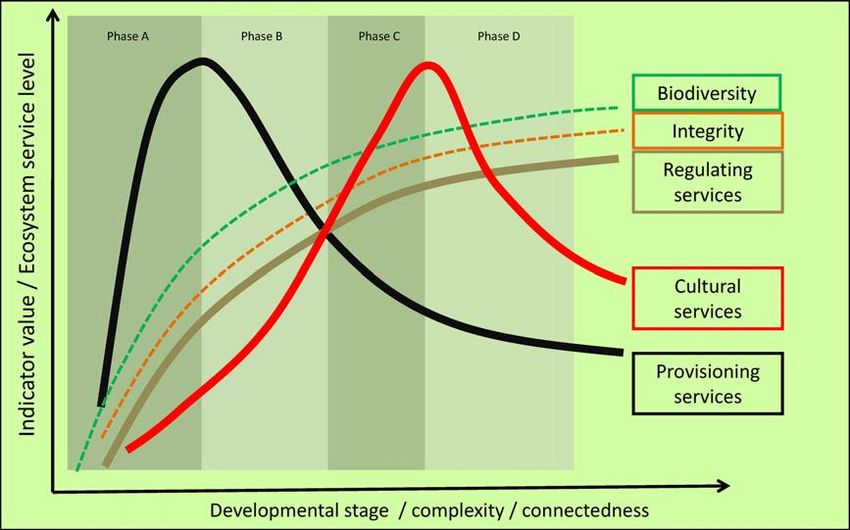
With more inclusive economic methods and a longer-term outlook for management and
          intervention evaluation, the evidence base that NbS is often more cost-effective and
          economically attractive than conventional engineering alternatives is growing.

             Economic rationale of floodplain restoration in the Danube

             During the communist era the natural character of the Danube has been severely altered with
             extensive embankments, dams and drainage works to allow for intensive agriculture in the
             floodplains: to this day only a small percentage of floodplains remain in natural condition (75% in the
             lower Danube and 28% in the Danube Delta115). These developments came at the cost of severe
             ecological degradation, with many river species endangered, drastically changed soil regimes in the
             floodplains and changes in hydrological and geomorphological regime, leading to increased flood
             probability and a disturbed sediment balance. Today, many embankments in the lower Danube are
             in disrepair. Facing climate change, high embankment restoration costs and many river species
             severely endangered, now is the time to reconsider floodplain management in the lower Danube and
             Danube Delta.

             A large-scale investment programme (estimated at € 7 billion) restoring of 4000 km2 floodplains will
             have many economic benefits:
                 1. If no new policy is adopted, an estimated €572 million in investments are required to preserve
                     the current flood protection level in the lower Danube by restoring and maintaining degraded
                     embankments. Large-scale floodplain restoration can reduce these costs by €230
                     million.
                 2. If the current protection level is maintained, flood risk is expected to increase due to climate
                     change, estimated in total around €3,3 billion 2100. Reinforcing the current protection
                     system will lead to a technical and institutional lock-in – limiting the potential to shift to a
                     different flood risk management strategy (e.g. floodplain restoration) in the future.
                     Floodplain restoration will reduce flood risk in the long term by €1,36 billion and bring
                     more flexibility in flood management strategies in the long-term.
                 3. Supporting economic recovery of the Covid-19 crisis through providing an estimated
                     250.000 jobs in the short term (to compare: New Zealand is currently using a $1 billion
                     budget to create 11.000 nature jobs to support economic recovery)
                 4. Under the current system, regional economies in the Danubes’s floodplains will remain
                     largely agricultural and little diversified, making them sensitive to economic and climatic
                     shocks – already yields are declining due to salinization and aridification. Although floodplain
                     restoration will see reduced agricultural yields in the floodplain, the resulting ecosystem
                     services will support diversification of the local economy (-€766 million), bringing €1150
                     million in tourism and €140 million in fishery benefits.
                 5. Under current management, ecological degradation of the Danube will continue, with
                     consequent loss in ecosystem services and possibly penalties for non-compliance with EU
                     Habitat and Water Framework Directives - or high opportunity costs required to meet
                     objectives. Floodplain restoration will contribute improve ecological quality, restore
                     hydrological and morphological processes, water quality and biodiversity.

             Although undoubtedly a costly affair, the benefits of floodplain restoration closely fit the objectives
             of the EU Green Deal and long-term recovery budget: supporting a greener, more resilient Europe
             with climate change and biodiversity protection at its core.
             * Numbers based on stylized, quick-scan CBA using coarse assumptions

9 of 63   Economic rationale of NBS in freshwater ecosystems
          11206081-002-ZKS-0001, 22 February 2021
3. NbS investments create employment opportunities in the short-medium term and
           stimulate economic sustainable development in the long-term

           Investment in ecological restoration directly creates 6-33 jobs per invested million €16: tree
           planting and floodplain restoration are among the most labor-intensive activities, making NbS
           in river systems a very suitable investment for public employment programs in support of
           economic recovery. Created jobs include low-skill and fast-implementing mostly local jobs in
           small and medium- sized enterprises, as well as jobs in engineering companies and
           environmental science 17. In the long term the ecosystem services strengthened by large-scale
           NbS stimulate output and employment in a range of other industries through supplier and
           household spending effects. As such investments in NbS have the potential to contribute to
           more, and more diversified, local livelihoods in the long term, such as the fishing sector and
           recreation and tourism.

           4. The way forward
           Around the globe, policy makers and investors are increasingly looking for solutions that
           stimulate development whilst slowing down or adapting to climate change and conserving and
           recovering biodiversity: the call for transition towards a green and inclusive economy rings ever
           louder. Healthy rivers and freshwater ecosystems are vital for economic development and
           water security: ecosystem services provided by rivers benefit multiple beneficiaries and
           contribute to an attractive, healthy living environment and provide a solid basis for diversified
           local livelihoods, making local communities more resilient. Yet, despite the high economic
           value of the wide array of ecosystems services, rivers across the globe have been modified for
           irrigation, hydropower, flood protection and navigation at the expense of other services,
           including a severe decline in populations and diversity of freshwater species. Current economic
           methods in investment decision making in river management largely neglect the value of
           nature: a fundamental change in decision making metrics is needed.

           In this report, we compiled evidence on how a wider scope in reviewing the economic rationale
           of river management strategies supports the case for investment in (hybrid) NbS over
           traditional engineered management strategies of Europe’s rivers. The socio-economic case for
           large-scale investment in NbS to restore Europe’s rivers to a more natural state is clear:
                1. Large-scale NbS implementation and uptake may reverse biodiversity decline and aid
                     in climate change mitigation and adaptation.
                2. NbS in river management contribute to restoring ecosystems of modified river systems
                     and provide multiple co-benefits. Where grey infrastructure solutions may be cost-
                     effective from a single-objective perspective in the short term, they are often inflexible
                     and unsustainable under climate change and less attractive than NBS once a longer
                     time horizon, wider spatial scope and multiple functions are considered.
                3. Investments in NbS for river restoration are an attractive avenue for sustainable
                     economic recovery as NbS: creating jobs in the short term, supporting economic
                     development in the medium term, and supporting a shift towards nature-friendly, low-
                     carbon, diversified local economies in the long term.

           Although the integration of NbS in river management is ongoing across Europe, NbS are not
           yet mainstream and progress is slow. There are still many barriers hampering a speedy
           transition. Particularly large-scale NbS projects can be more complex to implement than grey
           alternatives due to their cross-disciplinary and cross-sectoral nature. Institutional
           compartmentalization and consequent limited scope in project development and appraisal act
           as disincentives for their uptake.

10 of 63   Economic rationale of NBS in freshwater ecosystems
           11206081-002-ZKS-0001, 22 February 2021
To address these barriers and support mainstream investment in NbS in river management,
public authorities should:
1. Mandate standard inclusion of NbS in infrastructure project formulation processes.
2. Include a wide scope integrating all potential benefits in project appraisal, using a
sufficiently large spatial and temporal scope and including upstream and downstream
effects of all measures. This can be done by mandating a lifecycle cost approach and
wider ecosystem service valuation in CBAs and taking long-term efficacy and
depreciation of all proposed alternatives into account.
3. Adjust or strengthen the institutional framework throughout project planning cycles to
support the decision to choose NbS,. For example, collaboration across jurisdictional
and disciplinary boundaries is difficult, but exactly what is needed to identify and create
multi-functional infrastructure like NbS. To support this, an institutional and legislative
mandate for dealing with cross-sectoral issues at (sub) basin level is needed.
4. Prepare an enabling regulatory environment that incentivizes innovations such as NbS
and discourage harmful activities that do not capture value of nature.
Throughout the EU, COVID-19 recovery, sustainable economic development and climate
change adaptation funds offer an excellent opportunity to create incentives to accelerate and
upscale NbS implementation. These funds can leverage existing funding to enable
collaborations between departments and stakeholders at the basin level, to come up with a
green, inclusive, multi-benefit investment portfolio in river systems, and help to reduce the
financial risks of NbS project initiatives by providing budget guarantees upfront. At the policy
level, the EU Green Deal, EU Adaptation Strategy and Biodiversity Strategy can be used to
increase supporting incentives for NBS, such as legally binding ecological restoration targets.
The time to act is now
The clock is ticking on Europe’s river systems. Climate change and biodiversity decline pose
increasing challenges for societies. In response, the momentum is there for upscaling and
mainstreaming NbS. Economic recovery packages and the EU Green Deal can catalyze this
process: now is the time to make a change from old ways to new. To develop and invest in a
diversified portfolio of NbS and conventional solutions to dealing with flood, drought and river
management. To work with nature instead of against it. The examples are there: all we need
to do is recognize the opportunities, be bold and rise to the challenge.
11 of 63 Economic rationale of NBS in freshwater ecosystems
11206081-002-ZKS-0001, 22 February 2021CONTENT
Executive Summary 4
1. Introduction 4
2. NbS in freshwater ecosystems 5
3. Economic rationale of investing in NbS 6
4. The way forward 10
1 Introduction 14
2 Nature-based Solutions in freshwater ecosystems 16
2.1 Ecosystem services 16
2.2 Working with rivers 18
2.3 Working with NbS in rivers 19
2.4 NbS Effectiveness for mitigation of floods and droughts 22
3 Economic rationale of investing in NbS 26
3.1 The economic rationale of public investments 26
3.2 Cost-effectiveness 27
3.3 Economic value of NbS in river management 29
3.4 Jobs and livelihoods 34
4 Case study: The Lower Danube 36
4.1 The Danube: current status 36
4.2 NBS projects in Danube & their effectiveness 37
4.3 Livelihoods in the lower Danube region 39
4.4 Current trends in Danube river management 40
4.5 Investment opportunities in Danube river management 41
4.6 The costs and benefits of large-scale floodplain restoration in the lower Danube 42
5 Case study: Elbe 45
5.1 Status and existing policy 45
5.2 NbS projects in the Elbe 47
5.3 Economic value of NbS in the Elbe 48
5.4 The economic case for large-scale floodplain restoration 49
6 Steps forward and conclusions 51
7 References 55
Appendix A: overview of guidelines for monetary valuation of flood risk infrastructure 61
12 of 63 Economic rationale of NBS in freshwater ecosystems
11206081-002-ZKS-0001, 22 February 202113 of 63 Economic rationale of NBS in freshwater ecosystems
11206081-002-ZKS-0001, 22 February 20211 Introduction
Presently, it is estimated that half of the world's population lives in areas that are water-
stressed for part of the year 18. At the same time, annual economic damage and the number
of people affected by flood events are rapidly rising 19. In Europe, flood risk is projected to
increase under climate change from current expected annual damage (EAD) of €6,5 billion to
€14-41,5 billion by 2100, in particular across Western Europe, northern Italy and the Upper
Danube 4. Meanwhile, increasing water demands from agriculture put pressure on available
water resources 20. Damming and diking of European rivers have altered the natural flow of
water and pollution from industries and agriculture has degraded water quality 21. There are
well over 1.000.000 barriers (e.g. dams, weirs, ramps and culverts) fragmenting Europe’s river
systems, including more than 20.000 hydropower dams with an additional 8000 under
consideration 2. Populations of freshwater species are rapidly declining22 and 60% of European
water bodies has a moderate to bad quality status3.
Amidst a global health crisis and with the prospects of a global climate and biodiversity crisis,
people are looking for solutions that stimulate development without adverse impacts on climate
and biodiversity. Natural systems can play an important role in reducing impacts of natural and
man-made hazards and in mitigating and adapting to climate change, while also preserving
biodiversity. So-called Nature-based Solutions (NbS) make use of these capacities of natural
systems by managing, safeguarding or restoring them to address societal challenges.
A growing number of international organizations, multi-lateral agencies, financing institutions,
and private businesses see the potential of NbS to address climate change and natural
disasters in an efficient and sustainable manner. A total of 77% of nationally determined
contributions (NDC) to the Paris Agreement on Climate Change include NbS to adapt and
mitigate climate change. The Intergovernmental Science-Policy Platform on Biodiversity and
Ecosystem Services (IPBES) report endorsed NbS to conserve biodiversity23. In the World
Economic Forum's (WEF) New Nature Economy series nature-positive solutions are
specifically recognized for their value in creating jobs and business opportunities, while
simultaneously adding value to nature24. The World Business Council for Sustainable
Development's Natural Infrastructure for Business (NI4Biz) platform promotes investing in
natural infrastructure. At the EU policy level, the EC recognizes in the €1 trillion Green Deal5,
EU biodiversity strategy and EU adaptation strategy and corresponding research programmes
(Horizon 2020; Horizon Europe) that NbS are instrumental in achieving a sustainable economy
in Europe by turning climate and environmental challenges into opportunities that create
synergies among nature, society and the economy25.
The large-scale application of a variety of NbS in freshwater ecosystems can contribute to an
improved quality of life for people (e.g. health, attractive environment), increased resilience to
climate-related disasters, increased prosperity and wellbeing for all and contribute to a healthy
planet by restoring and conserving biodiversity and natural habitats. In the recent decades, the
widespread recognition of NbS and corresponding global frameworks and initiatives have
resulted in the implementation of successful NbS projects across Europe in various landscapes
and contexts. However, for river systems specifically, many of these projects have been mostly
small-scale pilot projects, implemented along limited stretches of river systems. Also, in
prevailing economic valuation methods and investment decision making in river
management across Europe, projects are mostly assessed on a mono-functional basis
and the co-benefits of NbS remain largely unaccounted. Project benefits and impacts are
often appraised solely within the project boundaries and on small spatial and temporal scales.
14 of 63 Economic rationale of NBS in freshwater ecosystems
11206081-002-ZKS-0001, 22 February 2021This means that essential benefits of NbS related to their adaptive, multi-purpose and
sustainable character, are being disregarded. Also, NbS can typically have positive effects
beyond the project site, for example by reducing flood risk not only locally, but also upstream
and downstream of the project. Without accounting for these positive effects of NbS, the full
potential of NbS remains underexploited. Existing disincentives for NbS – for example, as they
are not standard practice, they are often regarded troublesome due to more complicated
design and implementation - will inhibit their application at scale.
Safeguarding healthy rivers and developing sustainable management strategies for rivers and
freshwater resources is urgently needed for both human well-being and sustainable
development and nature. Conserving and restoring robust and resilient systems are more
important than ever. There is a widespread call by scientists, politicians and civil society to
scale up investment in this direction and aim for a ‘green recovery’ from the current economic
crisis. Integration of NbS in river management strategies will aid in shifting
investments in freshwater ecosystems as a way of enhancing future sustainable
economic development, resilience and wellbeing whilst conserving and restoring
nature. For NbS to be upscaled to their full potential, long-term and large-scale benefits must
be recognized in a more structural manner, so they can become a regular part of investment
portfolios. The strong economic rationale for NbS implementation and credible business cases
should be elaborated on a structural basis to enable this transition. Although funding in NbS
has increased over the last years, insight in the socio-economic merits is still largely lacking.
Building the evidence base of the socio-economic merits of NbS can contribute to
convincing public investors to integrate NbS interventions in their infrastructure
project portfolios.
Overall, low-carbon and climate-resilient investments deliver far higher economic returns than
investments in traditional infrastructure and fossil fuels. Restoring ecosystems is an investment
in the basis of our economies as ecosystem services provide the main resources for farming,
fishing, forestry and tourism. These services are valued at $125 trillion annually 26, and globally
employ 1,2 billion people. The application of a variety of NbS in freshwater ecosystems at an
appropriate scale (it should not be piecemeal) can contribute to improve the quality of life for
people (e.g. health, attractive environment), increase resilience to climate-related disasters,
increase prosperity and wellbeing for all and contribute to a healthy planet by restoring and
conserving biodiversity and natural habitats.
In this report we build economic comparisons for river management strategies that work with
NbS versus traditional engineered management strategies. We do this by first defining optimal
NbS and river management strategies (Chapter 2) and by explaining how co-benefits can be
quantified and illustrating this with supporting evidence from European rivers (Chapter 3). We
show benefits and economic returns of both NbS and business as usual for different user
groups and beneficiaries for two cases: the Danube (Chapter 4) and the Elbe (Chapter 5).
Chapter 6 indicates how optimal strategies can be operationalized financially and politically.
Chapter 7 present conclusions and the way forward.
15 of 63 Economic rationale of NBS in freshwater ecosystems
11206081-002-ZKS-0001, 22 February 20212 Nature-based Solutions in freshwater
ecosystems
2.1 Ecosystem services
Freshwater ecosystems are vital for the existence of human lives as they provide transport
routes, hydropower, irrigation and drinking water and a wide range of other ecosystem services
including recreation, landscape and biodiversity, contributing to human health and well-being.
Rivers and their floodplains can provide a wide range of ecosystem services, defined as the
benefits humans derive from the natural environment and healthy ecosystems. Including
provisioning, regulating and cultural ecosystem services as well as underlying supporting
ecosystem services such as pollination, habitat provision and nutrient cycling, these services
contribute to human well-being in terms of security, health, and social and cultural relations
(Figure 2.1). Clean and free-flowing rivers with high biodiversity as part of a high quality rural
landscape are a key asset for recreation and tourism, bringing income to local populations and
diversification of the economy8. The most common ecosystem services of rivers are
provisioning of fish, water and air quality, drinking water security, flood protection, carbon
sequestration, recreational amenities (swimming, boating, fishing, birding and hiking), nitrate
and phosphorus cycling and water retention9,28.
Figure 2.1Ecosystems and their links to human wellbeing 10
16 of 63 Economic rationale of NBS in freshwater ecosystems
11206081-002-ZKS-0001, 22 February 2021Prevalence of ecosystem services depends on the level of modification of the ecosystem
(Figure 2.2). Modification typically leads to low ecological integrity, biodiversity and regulating
services (e.g. the system is more prone to floods and droughts). In heavily modified systems,
the ecosystem has a high productivity in specific ecosystem services, e.g provisioning
ecosystem service (e.g. agriculture in floodplains, high fish production). More natural systems
have a higher connectedness and are more heterogenous. In this state, regulating or cultural
services can take the upper hand (e.g. recreation). The more natural an ecosystem becomes,
the more complex it usually becomes, and limited accessibility may inhibit cultural services,
and regulating services, such as biodiversity and ecological integrity, take the upper hand10.
Figure 2.2 Development of biodiversity, integrity and ecosystem services under degree of modification of an
ecosystem (phase A: highly modified, phase D; natural) 10.
In Europe, many rivers have been modified to optimize them for specific functions, for example
by building reservoirs to store water for hydropower or irrigation. Unsustainable exploitation
and modification of river functions and of ecosystem services by humans can lead to enormous
impacts on integrity of river systems, often resulting in negative effects on biodiversity and
nature and reducing the capacity to deliver the full spectrum of ecosystem services.
Interventions in river management should be developed with all services in mind and aim to
conserve or enhance the natural values and biodiversity. Healthy and diverse ecosystems
have a higher resilience to bounce back from disturbance events. Nature-based Solutions
(NbS) can help to shape interventions in the most natural way. NbS are defined as actions to
protect, sustainably manage, and restore natural or modified ecosystems to address societal
challenges effectively and adaptively, simultaneously providing human well-being and
biodiversity benefits 29. NbS are an important element in disaster risk management and climate
change adaptation and mitigation. NbS typically support a wide range of ecosystem services
and do not show adverse effects on other services, which conventional engineering tends to
do. NbS in combination with conventional engineering, can constitute the basis for returning
European rivers to a more natural state, striving to balance multiple services and ensuring
water availability and safety.
17 of 63 Economic rationale of NBS in freshwater ecosystems
11206081-002-ZKS-0001, 22 February 20212.2 Working with rivers
Working towards healthy European rivers requires action on two levels. Balancing between
different functions and users on a basin scale is the key to sustainable and integrated river
management. This is urgently needed to tackle the full range of societal challenges facing river
systems and can draw from concepts developed to manage rivers in an integrated and
multidisciplinary manner, such as Integrated Water Resource Management (IWRM),
Integrated River Basin Management (IRBM) and Natural River Management (NRM). NRM aids
in valuation of interventions in river basins with a focus on maintaining flows of water, sediment
and nutrients. The most important elements of NRM are that projects should include multiple
objectives, reduce avoidable interference and apply a risk-based approach for investment
decisions and infrastructure construction . To structure and facilitate integrated management,
planning cycles are generally used (Figure 2.3). These cycles help to develop an integrated
master plan and translate this plan into a strategy that is compiled of multiple measures.
Figure 2.3 Example of a planning cycle sketching the different stages of integrated water resource
management. Similar cycles are available for Flood Risk Management and for implementation of Nature-based
Solutions (Copyright: Deltares 2017, DSD-INT 2017 Establishing Integrated Water Resources Management for
River Basins Planning guidelines - Ter Maat)
River management is still heavily dominated by hard or grey infrastructure. However,
grey interventions can result in unprecedented and irreversible changes. For example,
it is often thought that straightening, narrowing, embanking, and shortening a river (‘regulation’)
will improve navigation and mitigate flood risk. For example, in the nineteenth century the
Upper Rhine River in Germany was regulated. This straightening of the Rhine was effective at
first, but over the years flow velocity and erosion in the channel increased and led to 10 meter
incision of the riverbed, and navigation became nearly impossible. To make the Upper Rhine
navigable again, a 50 km by-pass canal was constructed in the middle of the 20th century
(Grand Canal D’Alsace).
18 of 63 Economic rationale of NBS in freshwater ecosystems
11206081-002-ZKS-0001, 22 February 2021In turn, this diversion of the main discharge caused a dramatic drop in groundwater level in the
area, resulting in the desiccation of natural and agricultural areas upstream, while increasing
flood hazard downstream. Hence, nowadays floodplain restoration projects are still being
implemented along this stretch of the Rhine to delay discharge and retain water upstream to
mitigate for upstream drought effects and downstream floods. This illustrates that
interventions in river basins should include multiple objectives (e.g. not only
navigation, but also agriculture, flooding and nature) and should take effects in the
entire river system into account (upstream and downstream of the intervention).
2.3 Working with NbS in rivers
NbS can play an important role in making a shift towards a more natural, multi-functional river
management approach. NbS can be implemented along the entire river system, from upstream
headwaters to downstream estuaries. In rivers, attenuating peak flows and optimizing water
availability are often important objectives to mitigate against floods and droughts. These
objectives are translated in strategies (Figure 2.4), and these strategies are realized through
combinations of diverse interventions (Table 2.1). Strategies for mitigation of floods and
droughts often focus on retaining water in upstream areas, storing and delaying water in the
midsection and discharging in the downstream part. Making combinations between NbS and
hard infrastructure (hybrid solutions) and with non-structural interventions will most likely result
in a portfolio of measures that can meet multiple management objectives in a cost-effective
manner. The portfolio that meets the demands best depends on the exact objectives.
Figure 2.4 Action perspectives for climate resilient river valleys. From (Stowa, 2020)
19 of 63 Economic rationale of NBS in freshwater ecosystems
11206081-002-ZKS-0001, 22 February 2021Table 2.1 Overview of interventions in rivers. Colors indicate NBS (green), hybrid (light green) and grey (grey)
solutions.
Effects on floods
Interventions Other benefits Possible costs
and droughts
• Increases natural value
U • Reduces peak flow
if native ecosystems
are restored
P Restoration of natural • Reduces risk on flash
• Increases recreation Loss of land for
S forests, grasslands flooding and land slides
potential agriculture
and peatlands • Increases infiltration
T capacity
• Strongly reduces
R erosion and improves
soil composition
E
Alternative crops and
A Sustainable land use
cropping methods need
management and • Reduces risk on flash • Strongly reduces
M to be adopted, reducing
improve agricultural flooding and land slides erosion
capacity for certain
practices
popular crops
Only effective at certain
• Possible natural values
• Reduces peak flow locations in the river
• Possible recreational
Construction of • Increases retention basin and effectiveness
values
retention areas (green capacity strongly depends on
• Water storage
or grey) • Increases infiltration duration of discharge
• Decrease urban heat
capacity peaks and on retention
effect
capacity
• Increase discharge
Potential for development
Building capacity Enforcement of zoning
of nature and
codes/zonation Increase infiltration proves troublesome
recreation areas
capacity
Often difficult with
• Potential for
• Increase discharge respect to social
development of nature
Lift-up/ Relocate capacity safeguards. Needs a
and recreation areas
Communities • Increase infiltration good community
• Potential for
capacity involvement and
agricultural use
consultation process.
• Decreases bed
M • Reduces peak flow degradation
I Meander restoration • Increases infiltration • Improved water quality Loss of land
capacity • Natural value
D • Aesthetics
S • Decreases bed
• Reduces peak flow
T Creating/ reviving
• Increases infiltration
degradation
Loss of land
R side channels • Natural value
capacity
• Aesthetics
E • Reduces peak flow
A • Natural value
• Increases retention
Floodplain widening/ • Aesthetics
M restoration
space
• Decrease bed
Loss of protected land
• Increases infiltration
degradation
capacity
• Reduces peak flow • Decreases bed
Loss of seedbank and
Floodplain lowering • Increases infiltration degradation
present vegetation
capacity • Sets back succession
20 of 63 Economic rationale of NBS in freshwater ecosystems
11206081-002-ZKS-0001, 22 February 2021• Blocks flooding locally
May cause higher flood
• Increases flow velocity
Embankment • Constant fairway peaks and flow velocity
• Reduces infiltration
D time
downstream
O • Reduces peak flow
W • Increases area for • Decreases erosion
Partial/full
water retention • Space for wetland Loss of protected land
N embankment removal
• Increases infiltration restoration
S capacity
T • Fertile sediment Land that floods
R Summer and winter • Two levels of protection deposition still allowed periodically can only be
dikes against floods on agricultural land used for certain
E
behind summer levee functions
A • Reduces peak flow
M • Increases recreational Effects on flooding
Wetland restoration • Increases retention
value strongly depend on
(connected to the area
• Increases natural value location of wetland in
river) • Increases infiltration
• Improves water quality the basin and flow path
capacity
• Decrease urban heat Semi-natural and more
• Reduces peak flow
effect maintenance than
Wadi’s/bioswales • Increased retention
U capacity
• Improves water quality concrete storm water
R • Aesthetics run-off
Only effective at certain
B • Reduces peak flow
• Possible natural values
locations in the river
A • Possible recreational
Construction of • Increases retention basin and effectiveness
values
N retention areas (green capacity
• Water storage
strongly depends on
or grey) • Increases infiltration duration of discharge
• Decrease urban heat
capacity peaks and on retention
effect
capacity
• Increase discharge
• Potential for
Building capacity Enforcement of zoning
development of nature
codes/zonation • Increase infiltration proves troublesome
and recreation areas
capacity
Often difficult with
• Potential for
• Increase discharge respect to social
development of nature
Lift-up/ Relocate capacity safeguards. Needs a
and recreation areas
Communities • Increase infiltration good community
Potential for agricultural
capacity involvement and
use
consultation process.
21 of 63 Economic rationale of NBS in freshwater ecosystems
11206081-002-ZKS-0001, 22 February 20212.4 NbS Effectiveness for mitigation of floods and droughts
With a growing number of initiatives in river restoration and application of NbS
concepts in freshwater ecosystems, the evidence base on their effectiveness and
cost-effectiveness is increasing rapidly. Despite the lack of proper monitoring in
many projects, overall river restoration has proven to be effective for mitigation of
downstream flooding.
Nature-based Solutions can be implemented along the full river system, from upstream
headwaters to downstream estuaries. However, for each river section and for each desired
function specific interventions are most effective (Figure 2.4). Additionally, for certain
interventions impacts may reach upstream and downstream. Hence, for solving floods and
droughts causes and possible interventions, upstream, downstream and locally can be
explored. In upstream and midstream areas where usually slopes are steeper, several NbS
can help with retaining water (Figure 2.5). Land-use management and restoration of vegetation
and ecosystems can increase infiltration capacity and reduce run off. Vegetation improves
infiltration capacity and fixation of the soil, thereby reducing risk on landslides and flashfloods.
In addition, these so-called Natural Water Retention Measures (NWRM) are effective to
increase low flows during dry periods. They are defined as having a primary function of
enhancing and/or restoring the retention capacity of aquifer, soil and aquatic ecosystems and
many examples of this type of NBS can be defined, ranging from upland restoration of the
natural forest cover to the technical installation of green roofs.
Midstream, storing water in wetlands and floodplains and increasing the length of the flow path
are important to reduce effects of floods and droughts. Downstream, connection of the river to
the floodplains is essential to bring fresh water and clay to floodplains 30.
Figure 2.5 NBS for restoring flood risk in upper, middle and lower river sections. From Life IP Rich Waters
22 of 63 Economic rationale of NBS in freshwater ecosystems
11206081-002-ZKS-0001, 22 February 2021Good examples of combinations of green and grey measures for reducing flood risk in
downstream river sections are constituted by the Dutch Room for the River Program (Figure
2.6)31.
Figure 2.6 Measures for floodplain restoration as applied in the Room for the River program (source:
Stowa32)
In the UK, Dadson et al. (2017) review evidence on the effectiveness of natural flood
management projects: natural flood management approaches have demonstrated to
significantly reduce hazards associated with small floods in small catchments but are not
expected to have a major effect on extreme events33. The authors’ main conclusions are that:
i. Interventions that increase the stability of soils to absorb and retain water (e.g. land
management) are most effective at the small scale and for smaller floods;
ii. Storage (e.g. ponds, natural floodplains, retention basins) can be effective depending
on extent of storage, location within the watershed and mode and timing of
employment;
iii. Reconnecting floodplains by setting back defenses can reduce peak flows and water
levels.
23 of 63 Economic rationale of NBS in freshwater ecosystems
11206081-002-ZKS-0001, 22 February 2021Generally, there has been limited monitoring of restoration projects and their effects to date.
The EU REFORM project evaluated failure and success of 671 European case studies,
showing that most projects provided no information regarding the results 6 (Figure 2.7).
Figure 2.7 Evaluation of failures and successes in European river restoration projects (Source: REFORM,
reference 6)
On the other hand, river restoration projects in the EU that were evaluated, have been rather
successful in reducing flood risk 34. The UK Environment Agency has a particularly extensive
database synthesizing evidence from literature and 65 UK cases on among other things the
effectiveness of NbS in reducing flood risk 35. The impact of NbS in flood risk reduction depends
on the scale of the solution and watershed. Although in some cases this effect can be hard to
predict, evidence suggests that all NbS has a significant contribution to flood risk management.
Watershed restoration in Scotland
The Scottish Environment Protection Agency (SEPA) is very active in restoring rivers,
streams and watersheds for flood risk reduction, environmental quality, biodiversity and
community benefits. A good example is constituted by the Eddleston project 116. The project
involves river re-meandering, the planting of over 200,000 trees in the most upstream areas
and the creation of new wetlands and retention ponds. This should slow the speed and
impact of floodwaters as well as creating new wildlife habitat, such as improved spawning for
salmon.
24 of 63 Economic rationale of NBS in freshwater ecosystems
11206081-002-ZKS-0001, 22 February 2021For a more general overview on literature and cases on global use of Nature-based
Solutions, the NbS Evidence Platform 36 is a valuable source;
Table 2.2 gives an overview of sources particularly relevant to NbS in European rivers.
Table 2.2 Overview of information sources on nature-based solutions for reduction of flood risk and mitigation
of droughts in European rivers.
Program Aim Measures Number Source
of
projects
Natural Reduce Natural 139 http://nwrm.eu/
Water drought water
retention retention
measures measures
Room for Reduce River 30 https://www.rijkswaterstaat.nl/english/about-us/gems-
the River flood risk widening, of-rijkswaterstaat/room-for-the-river/index.aspx
side-
channels,
retention
areas,
obstacle
removal
RESTORE Reduce River 1333 https://restorerivers.eu/wiki/index.php?title=Main_Page
flood risk restoration
WWNP Working River 65 https://www.gov.uk/government/publications/working-
with restoration with-natural-processes-to-reduce-flood-risk
nature
Processes
to reduce
flood risk
Dam River Removing 34 https://damremoval.eu/
removal restoration of old
unused
dams
25 of 63 Economic rationale of NBS in freshwater ecosystems
11206081-002-ZKS-0001, 22 February 20213 Economic rationale of investing in NbS
NbS constitutes an attractive public investment opportunity, as part of regular river
management investment programs as well as in the light of green economic
recovery and development: NbS can save costs, contribute to multiple goals at once,
they often have an attractive socio-economic rationale and can support economic
recovery and development by creating jobs.
3.1 The economic rationale of public investments
Economic evaluation is an essential part in the decision-making processes of public
and private investments. New concepts in valuing economic development such as
inclusive and green economic development adopt an increasingly wide perspective, for
example by including natural and social capital.
Public authorities in river management employ a range of criteria and requirements to
determine the merits and rationale of investment decisions. Some kind of economic
assessment, such as cost-effectiveness or cost-benefit analysis, is usually included. The most
common method to determine the economic rationale of project alternatives is a cost-benefit
analysis (CBA), which compares investment costs against a wide range of socio-economic
effects. The purpose of a CBA is to provide a sound basis for decision making, taking human
welfare at the heart. Where possible all effects are quantified in monetary units as a basis for
comparison. Alternatively, cost-effectiveness analysis weighs investment costs against
effectiveness in relation to a direct single project goal (e.g. water safety). This analysis usually
does not address potential environmental or socio-economic effects of distinct strategies.
New insights in valuing economic development, such as inclusive and green economic
development concepts, adopt an increasingly wide perspective, for example by including
natural and social capital. In this context, it makes sense to assess public investments on their
merits for natural capital, ecosystem services or biodiversity, and additional economic
outcomes such as impact on local livelihoods and job provision. Particularly if those
investments have the purpose or potential of stimulating green economic development or
sustainable economic recovery. NbS also provide opportunities for attracting private
investment and blended finance solutions (Box 3.1)37,38. However, this is outside the scope of
this report.
In this chapter, we highlight results from studies and NbS projects in freshwater systems in
Europe regarding:
• Cost-effectiveness of NbS compared to grey alternatives
• Economic value of river ecosystem services
• Impact of NbS on livelihoods.
26 of 63 Economic rationale of NBS in freshwater ecosystems
11206081-002-ZKS-0001, 22 February 2021ECONOMIC RATIONALE FOR INVESTMENT VERSUS BANKABILITY OF A PROJECT
Public investments should have a socio-economic rationale, implying that the expected benefits for
society are higher than the invested (public) funds. But with considerable funding gaps in
infrastructure and natural capital, there are many more projects with an economic rationale than
there is public money available. Therefore, there is a keen interest in involving the private sector to
bridge this funding gap. This can materialize if there are opportunities to generate positive financial
returns for communities and investors within the project, beyond wider economic benefits: with their
multi-functional character, NbS provide more opportunities for this than more mono-functional grey
infrastructure projects. The financial returns can be capitalized, for example by setting up profitable
enterprises under the wing of the NbS project, and thus help make these projects bankable:
investable by private financiers, rather than just governments and philanthropy (WWF: Bankable
Nature Solutions, 2020).
3.2 Cost-effectiveness
There is growing evidence that under certain conditions NbS can be more cost-effective
than conventional engineering alternatives.
Cost-effectiveness analysis is used to identify the least-cost alternative for a predefined
outcome or outcomes, e.g. a certain flood risk reduction level. Although public investors should
ideally take a wider economic perspective to evaluate project alternatives, in some cases (e.g.
when benefits cannot be valued) cost-effectiveness analysis is used to select the alternative
with the lowest cost effectiveness ratio (e.g. most ‘flood risk reduction’ per unit invested €)1.
Navigation, flood protection and water quality
Boerema et al. (2018) analyzed cost-effectiveness of sediment management and flood
protection solutions across four functions: navigability and flood protection, water quality
regulation (nitrogen) and climate regulation (carbon). Three scenarios are evaluated:
• S1: Nature-based alternatives for dredging (i.e. fluid mud concepts, sediment traps,
re-using dredged materials) + traditional dike heightening
• S2: Conventional dredging + nature-based alternatives for dikes (i.e. flood control
areas)
• S3: Nature-based alternatives for dredging + nature-based alternatives for dikes
Results show that regarding navigability and flood protection, scenarios S1 and S3 are the
most cost-effective. For water quality regulation and climate regulation the alternative dike
strategies (in S2 and S3) are most cost-effective; only nature-based alternatives for dikes have
an effect on these ecosystem services. When all four functions are considered simultaneously,
S3 is the most optimal.
In a study on the merits of levee setbacks to achieve flood protection benefits and ecosystem
restoration by the US Army Corps of Engineers, Smith et al. (2017) concluded that levee
setbacks are often an economic, environmentally beneficial and cost-effective non-structural
alternative for achieving reduction in flood damages. This is particularly the case for levee
systems in flood-prone settings.
——————————————
1
If benefits cannot be valued, e.g. due to time or data limitations, additional effects can be addressed in a
complementary multi-criteria analysis.
27 of 63 Economic rationale of NBS in freshwater ecosystems
11206081-002-ZKS-0001, 22 February 2021You can also read


