AUSTRALIAN WILDLIFE & NATURE RECOVERY FUND - RESPOND, RESTORE, AND BUILD A RESILIENT FUTURE NOVEMBER 2020 - Rackcdn.com
←
→
Page content transcription
If your browser does not render page correctly, please read the page content below
AUSTRALIAN WILDLIFE & NATURE RECOVERY FUND
              RESPOND, RESTORE, AND BUILD A RESILIENT FUTURE

                                             NOVEMBER 2020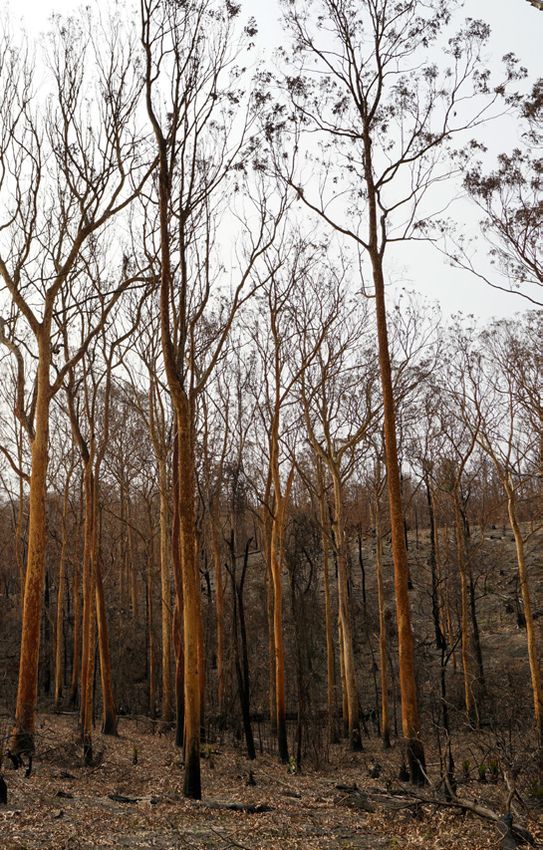
THE PATH TO RECOVERY
2019-2020 BUSHFIRE SEASON
Australia’s unprecedented 2019 – 2020 bushfire season devastated
the nation. Across the country, approximately 47 million acres
were burned, with 31 million acres primarily in forest and bushland
habitats. Tragically, 34 lives were lost and close to 2,700 homes
were destroyed.

In January we estimated that 1.25 billion animals may have been
killed by the fires. We now know that the actual number is shockingly
higher. Six months after the fires, we published a report, Australia’s
2019-2020 Bushfires: The Wildlife Toll, which estimated that nearly 3
billion animals perished or were displaced by the fires, pushing many
threatened species to the brink of extinction.

Thanks to your generosity and the generosity of other supporters
around the world, we raised $45 million for the WWF Australian
Wildlife & Nature Recovery Fund. With your help, we were able to
act quickly and at scale to deliver emergency funds to the frontline,
mobilize resources to help Australia’s wildlife, support Indigenous fire
managers and local communities adapt and recover, and prepare for
the road to greener and safer recovery.

At the peak of the fires, during our first phase of the WWF Australian
Wildlife & Nature Recovery Fund, we responded by providing
emergency support to our partner organizations on the frontlines that
were rescuing and caring for the wildlife impacted by the fires. We
now are shifting to the second phase of recovery, working to restore
landscapes and protect wildlife. We are also laying groundwork
for the third phase of our plan, building resilience for the future of
Australia by cultivating multi-year, high impact investments in nature
through government, business, and community partnerships.

WWF AUSTRALIAN WILDLIFE & NATURE RECOVERY FUND
                                           THEMATIC ALLOCATION OF THE BUSHFIRE FUND

      WILDLIFE RESPONDERS                        SPECIES RECOVERY &                         LANDSCAPE RESTORATION &                       WILDLIFE & CLIMATE LAWS
                                                    ADAPTATION                                    PROTECTION
   Partner with on-the-ground wildlife         Identify key species in high-risk         Protect critical habitat by sharing advice,     Advocate to ensure a strong case is
  response organizations to enhance         landscapes and implement solutions             accelerating reforestation plans, and        made to enhance the effectiveness of
Australia’s capacity to respond and care     that will better enable recovery and          working to restore what we have lost         Australian law in protecting the natural
    for wildlife impacted by bushfires         resilience to a changing climate                         with urgency                                 environment

            $6 MILLION                                 $8 MILLION                                    $6 MILLIO N                                   $2 MILLION

  GLOBAL CLIMATE EMERGENCY                   STABILIZE CLIMATE CHANGE                        INDIGENOUS ENGAGEMENT                       INNOVATION & ENGAGEMENT
   Collaborate with others around the        Draw on leading climate science to            Enhance the number and capacity of              Support global innovation, using
  world and share best practices in fire   assist in mobilizing critical interventions    Indigenous rangers and fire managers         Australia as an example for regenerative
 and climate disaster response to better         to help stabilize our climate            by incorporating traditional knowledge        solutions capable of maximum impact
    prepare for future emergencies                                                          into natural resource management

            $3 MILLION                                 $7 MILLION                                    $8 MILLION                                    $5 MILLION
RESPONSE PHASE I
RESPOND WITH URGENCY
At the peak of the fires, our focus was to get emergency support to
our frontline partners, rescuing and caring for fire-impacted wildlife.
We partnered with over 40 wildlife rescue and care organizations
in bushfire zones and directed immediate and urgent funds to the
emergency at scale. This included providing medical supplies,
transportation, food, and shelter.

This year, we allocated $15 million of the WWF Australian Wildlife
and Nature Recovery Fund to 64 bushfire response projects. These
projects by theme include:

        9 Wildlife Responders

        10 Species Recovery & Adaptation

        13 Landscape Restoration & Protection

        5 Wildlife & Climate Laws

        4 Global Climate Emergency

        11 Stabilize Climate Change

        8 Indigenous Engagement

        4 Innovation & Engagement
INVESTING FOR IMPACT
EXPANDING CAPACITY OF WILDLIFE CARE
FACILITIES
Through the WWF Australian Wildlife & Nature Recovery Fund, our
early distributions supported on-the-ground partners and bolstered
their capacity to respond to emergencies. These investments will
also help them prepare for future fire seasons. Koala populations
were severely impacted by the 2019-2020 bushfire season. Wildlife
responders worked diligently to get the injured koalas the medical
care they needed, but some regions were more isolated than others
and the nearest wildlife hospitals were hours away.

Friends of the Koala is an organization specializing in rescuing,
rehabilitating, and releasing koalas in the Northern Rivers region
of New South Wales. Due to the location of their facility, they are
not usually impacted by fires and do not have the capability to treat
koalas in critical condition. During the 2019-2020 bushfire season,
they were overwhelmed with the number of koalas in need of urgent
medical care. Though some could be treated on-site, a majority had
to be transported out of the region to other wildlife hospitals that had
the necessary equipment and capacity to help koalas in critical care.
The nearest hospital was an hour and a half drive by car, exposing
the animals to a significant amount of stress during transportation.
Our support provided critical veterinary equipment to Friends of the
Koala and helped it become a licensed specialist Koala Hospital -
meaning most koalas could be treated on site.

As we shift to Response Phase II, we will continue to support our
wildlife response partners in critical regions by developing new
wildlife hospitals and continuing to expand and modernize existing
koala clinics in the New South Wales Northern Rivers region. This
will give our partners increased capacity to perform surgery and
other specialized medical care, and reduce animals’ exposure to
stress from being transported to wildlife hospitals outside of the
region.
RESPONSE PHASE II
PROTECT & RESTORE WILDLIFE AND
LANDSCAPES
Now that the fires have subsided, we turn our focus to the road to
recovery and future-proofing Australia for the fire seasons ahead.
With the generosity of our supporters in Australia and abroad, we
are working tirelessly with our partners on the ground to restore
what has been lost in the fires and protect remaining wildlife.

Our projects include:

•   Further drive the Towards 2 Billion Trees 10 Point Plan to
    save and grow two billion trees by 2030, which will ensure the
    welfare of native wildlife is addressed while investing in research
    and development to grow carbon farming opportunities

•   Launch the Greening Australia and WWF Climate Ready
    National Bushfire Landscape Restoration Program

•   Launch Koalas Forever, where we will reforest 10 million
    hectares of native forest and woodlands on cleared or degraded
    lands and improve resilience against climate change and
    drought

•   Launch the WWF and Environmental Defender Office
    partnership called Protecting the Unburnt to secure enhanced
    protection of six priority landscapes that now provide critical
    refuge for wildlife post-fires

•   Build upon our engagement with Indigenous cultural fire
    practitioners by launching WWF Right Fire for Country
    partnership and Cultural Fire Mentors Training Program while
    expanding the Women’s Rangers Environmental Network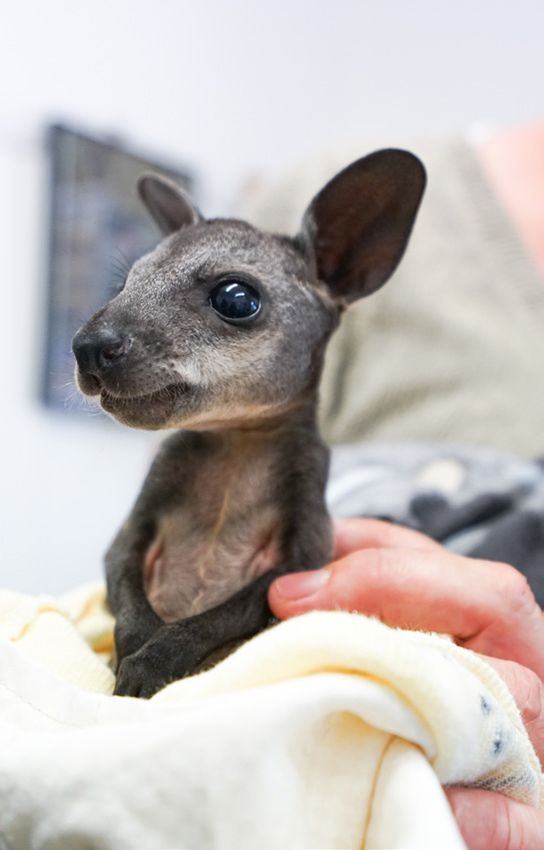
RESPONSE PHASE III
FUTURE-PROOFING AUSTRALIAN SOCIETY
Through the WWF Australian Wildlife and Nature Recovery Fund,
we have leverage to ensure lasting and long-term impacts. We are
calling on individuals, governments, communities, and businesses
to come together to build a stronger, more resilient Australia.

Some of the opportunities ahead include:

•   Driving the shift to a new regenerative economy

•   Securing Australia’s natural resources

•   Mitigating the impacts of climate change and driving climate
    preparedness and adaptation

•   Identifying and supporting community-led solutions capable of
    replication nationally
THANK YOU We couldn’t do any of this work without the generosity of our supporters. Thanks to you, we were able to provide emergency funding to over 40 wildlife rescue and care organizations, enabling a quick and effective response at scale. While there were many stories of tragedy, there are also many stories of hope made possible by the brave first responders, rescuers, and veterinarians who worked around the clock to care for injured native wildlife. You were vital in making these hopeful stories possible. Together, we responded to the 2019- 2020 bushfire crisis and are helping secure Australia’s natural resources for people and nature well into the future. Thank you. To learn more, visit worldwildlife.org/AustraliaBushfireFund
Photo Credit
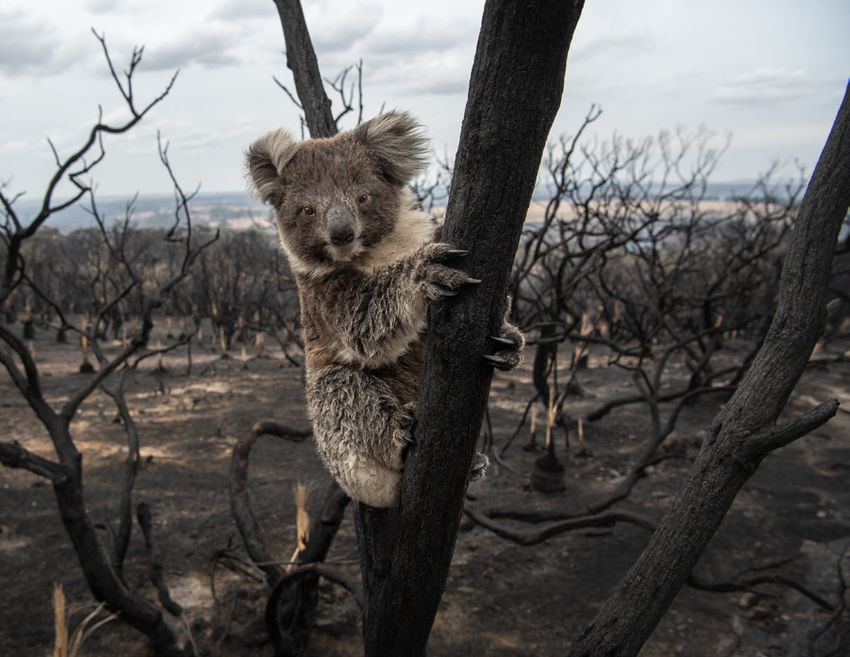
Cover: Koala pictured in a burnt tree on Kangaroo Island © Brad Fleet / Newspix / WWF-Australia
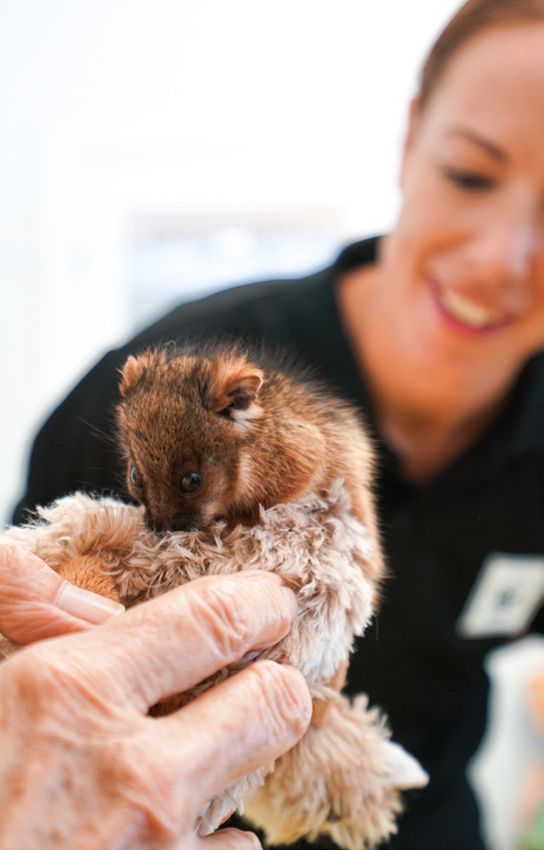
Page 2: Abigail Sexton (WWF-Australia) observing Fabio the ringtail possum © Leonie Sii / WWF-Australia
Page 3: Top left clockwise: Minty, an injured possum © Matthew Harris / WWF-Australia, Kangaroo that survived the
fires in Lathami Conservation Park © Paul Fahy / WWF-Australia, Aerial of the Kangaroo Island bushfire aftermath © Sii
Studio / WWF-Australia, Bushfire aftermath in Australian Outback © Jamen Percy / WWF / Shutterstock, Abigail Sexton
(WWF-Australia) observes the aftermath of the bushfires near Surfs Beach © Leonie Sii / WWF-Australia, Bushfire in
Bowraville, NSW © Adam Dederer, Bushfire in Western Australia © Richard McLellan / WWF, Unloading carrots for a
food drop in the Blue Mountains © Veronica Joseph / WWF-Australia
Page 4: An orphaned swamp wallaby joey in the care of wildlife carer Erika Page © Leonie Sii / WWF-Australia
Page 5: Maryanne the koala with Darren Grover, Head of Healthy Land and Seascapes, WWF-Australia © Mark Symons
/ WWF-Australia
Page 6: Burnt out forest in the Black Range Fire in Tallaganda National Park © Leonie Sii / WWF-Australia
Page 7: Bushfire at Broulee Beach, New South Wales © mattywilliamsphoto / WWF-Australia
Page 8: Bushfire aftermath at Batemans Bay, NSW © Leonie Sii / © WWF-Australia
Back Cover: Koala pictured in a burnt tree on Kangaroo Island © Brad Fleet / Newspix / WWF-Australia
You can also read


