Auckland Transport Alignment Project 2021 - 2031 Investment Programme - Beehive.govt.nz
←
→
Page content transcription
If your browser does not render page correctly, please read the page content below
Auckland Transport
Alignment Project
2021 – 2031
Investment Programme
1

Auckland Transport Alignment Project 2021-2031
ATAP is an agreement between Government and Auckland Council on transport
priorities providing certainty and momentum in delivery

The Auckland Transport Alignment Project (ATAP) brings together central government and
Auckland Council to strategically align transport objectives and investment priorities for
Auckland. An important part of the work is to agree a ten-year investment package that
guides the Auckland Regional Land Transport Plan and the National Land Transport
Programme.
The ATAP 2021-31 programme invests around $31.4 billion into critical transport
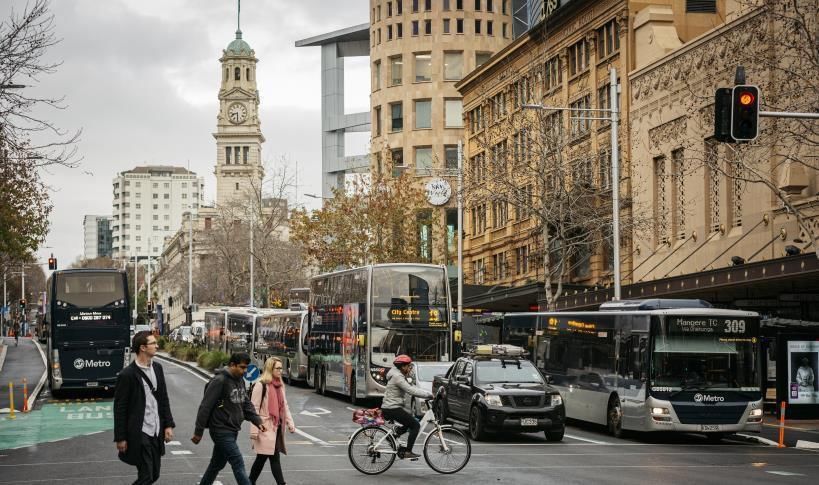
infrastructure and services across Auckland. It focuses on encouraging the shift from private
cars to public transport, walking and cycling and addressing Auckland’s longer-term
challenges of climate change and housing development.
Over the past five years, ATAP has enabled significant progress on improving transport in
Auckland. Record investment levels have supported solid progress in many key areas such
as: mode shift to public transport, a reduction in deaths and serious injuries since 2017 and
holding congestion levels steady despite rapid population growth.
The momentum in delivery and planning of transport projects over recent years means that
ATAP 2021-31 reflects a continuation of the previously agreed 2018-28 programme.

ATAP 2021-31 encourages mode-shift and supports housing and climate change
objectives. A Community Connect pilot is part of the programme

Investment in public transport, walking and cycling is significant and further development of
Auckland’s rapid transit network makes up the largest area of investment in new
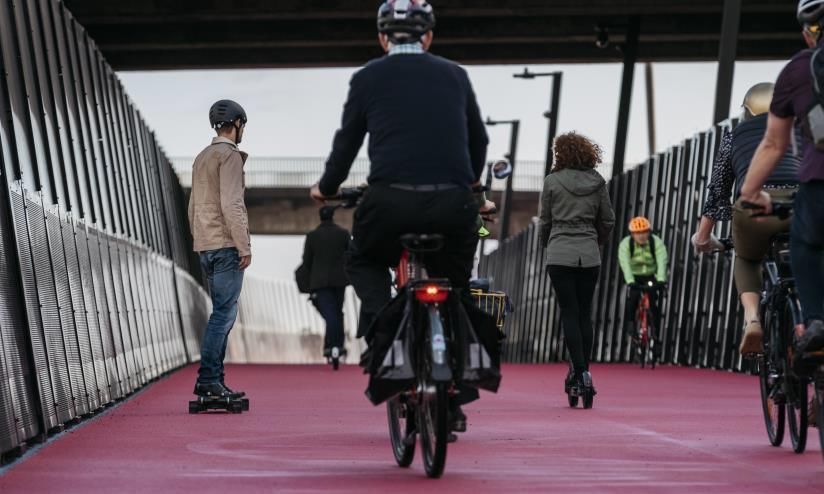
infrastructure. Important programmes to improve bus priority, walking and cycling will also
help support mode shift.
Investment into strategic and local roads is highly targeted to projects that deliver critical
safety and efficiency benefits. Most investment is focused on completing existing projects
and delivering parts of the NZ Upgrade Programme.
Key safety, network optimisation and technology programmes are included in the ATAP
package to continue the momentum of ATAP 2018-28 in these critical areas.
The need to appropriately maintain and renew rail and road infrastructure has become
increasingly apparent in recent years and ATAP 2021-31 includes a significant increase in
investment for this as compared to the previous programme. More investment in operating
expenditure is also required to run the public transport system.
To help address transport equity in Auckland, ATAP 2021-31 includes an allocation of
funding for a Community Connect pilot. This will enable a 50 per cent discount on public
transport for community service card holders approximately 200,000 Auckland residents.

Enabling and supporting Auckland’s growth and increased housing supply is also a key
focus of the ATAP package. Transport spending across the programme enables growth and
intensification of housing.

2
In addition to this, specific areas have been prioritised for investment given their scale of
expected growth. The Government’s Auckland Housing Programme (AHP) including Tāmaki,
Mt Roskill, Oranga and Mangere is allocated $400 million. This provides for the local
transport needs associated with this significant urban renewal programme. $243 million is
allocated to Drury where further investments are needed to support the NZ Upgrade
investment and $186 million to the north west of Auckland where growth is currently putting
pressure on infrastructure.
ATAP 2021-31 is a $31.4 billion funded programme
ATAP 2021-31 is funded from the following sources:
The Government’s Policy Statement on Land Transport sets an expectation of funding
from the National Land Transport Fund of $16.3 billion
Auckland Council’s draft 2021-31 Long Term Plan budget proposes $10.2 billion for
transport
Government funding of around $4.9 billion has been allocated to Auckland from the New
Zealand Upgrade Programme, the Covid Response and Recovery Fund and the
Government’s share of the City Rail Link
Developing the 2021-31 programme has balanced a number of constraints. On the revenue
side, funding levels over the ten-year period from the National Land Transport Fund and
Auckland Council have largely remained the same, while costs across-the-board have
increased as compared to ATAP 2018-28. Covid-19 has had a significant short-term impact
on revenue at both the local and national levels. These factors, together with the investment
committed to projects underway and key programmes (e.g. safety, minor improvements,
network optimisation, walking and cycling) meant a small proportion of the available funding
remained for prioritising across a broad range of projects.
The scale of Auckland’s population growth is challenging traditional funding sources for
infrastructure development. Delivering infrastructure requires collective new thinking on
funding and financing options. The new Infrastructure, Funding and Financing Act (2020)
offers new avenues for Auckland to pursue.
The ATAP 2021-31 package continues to transform transport in Auckland
ATAP 2021-31 will deliver significant benefits to Auckland. For example:
Mode shift from cars to public transport, walking and cycling. These modes are
expected to absorb approximately 64 per cent of increased trip demand and support a
5.4 per cent reduction in per capita vehicle travel. Public transport’s mode share
increases from 12 per cent to 20 per cent in the morning peak, and from 5 per cent to
10 per cent interpeak.
An increase in accessibility to jobs by a 30 minute car journey by 14 per cent and an
increase in accessibility to jobs by a 45 minute public transport journey by 60 per
cent.
A reduction in congestion for bus passengers and on arterial routes but increased
congestion on the motorways. The ATAP work recognises that a congestion pricing
scheme for Auckland would complement investments in helping to reduce congestion.
Significantly improved safety outcomes across the Auckland region, with an expected
reduction in deaths and serious injury of 60 per cent by 2031
.
3

Decarbonising Auckland’s transport system is a challenge for both Government and
Auckland Council. The 2021-31 ATAP investment programme reduces per capita
emissions over the period by 13%. Increased investment in public transport projects and
walking and cycling encourage the move from private car to public transport supporting
emissions reduction. Significant population increase means that while there is a decrease
per person, overall emissions increase slightly by 6% when the package is viewed in
isolation of other Government and Council policies.

Auckland could contribute around 35-40% of the national estimated emissions reduction
from implementing a biofuels mandate, the Clean Car Standard and decarbonising the
public transport bus fleet. With these measures, Auckland could reduce carbon emissions
by 1-2 mega tonnes between 2022 and 2031. This will increase to a 4-8 mega tonne
reduction between 2022 and 2050. Auckland
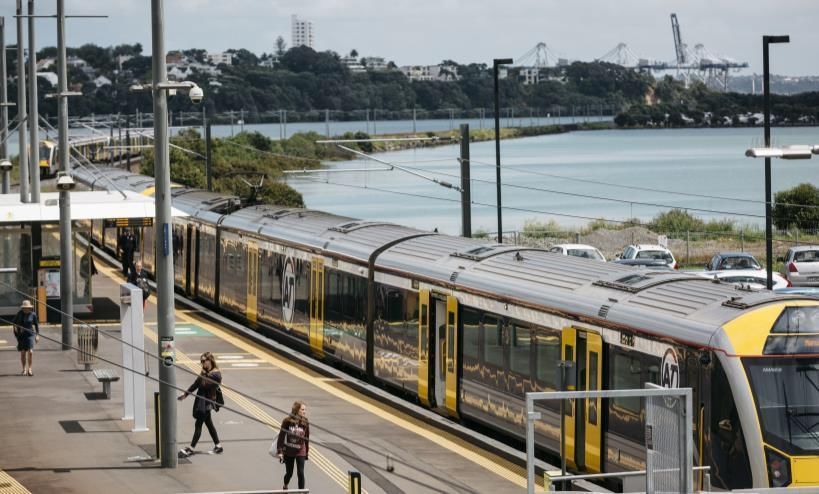
Council is stopping the purchase of diesel buses and Papakura-to-Pukekohe electrification
sees the end of diesel trains in Auckland. To drive further transport emission reductions,
additional investment and regulation will be required.

The ATAP 2021-31 programme continues the transformation of transport in Auckland.
Work will now begin on implementing ATAP through various statutory transport plans and
developing an investment programme for subsequent decades (2031-51). As part of this
work, the collective ATAP agencies will work with Manawhenua to identify transport related
outcomes for Māori living in Auckland, consider equity across the transport system and
continue to address emissions reduction.
4

ATAP 2021-31 Investment Detail

 The ATAP Package

 Investment Area                                                          ATAP 2020 ($ millions)

 Operational Cost (net of Revenue)                                                          9,124

 Asset Renewals                                                                             4,491

 Projects               Rapid Transit                                                       7,568

                        Strategic & Local Roads                                             4,167

                        Walking & Cycling & Local Board Initiatives                         1,466

                        Safety                                                              1,128

                        Bus & Ferry                                                         1,171

                        Optimisation & Technology                                             748

                        Spatial Priorities                                                  1,273

                        Planning for the future                                               276

                                                                  TOTAL                    31,412
5
Expenditure
Project 2021-2031
($ millions)
Committed
Electric Multiple Unit Trains
The final part of the current tranche of new trains for the metro network 5
Eastern Busway: Panmure to Pakuranga Section
8
A rapid transit connection from Panmure station to Pakuranga Plaza
Rosedale and Constellation Bus Stations (Northern Busway)
Two new stations on the Northern Busway to increase access and patronage 59
Earthquake Strengthening Programme
25
Strengthening some Auckland Transport assets (carparks and other facilities)
Ormiston Town Centre Main Street Link
17
A connection from Ormiston Road (East Auckland) to a new housing area
Electronic Signs for Bus Stops
3
Digital signs which show real time departures and service announcements
Small Improvements to Roads Around New Developments
12
A program that makes small changes required after developments are built.
Parking Programme
Residential parking permits, paid parking, and enforcement activities 49
Regulatory Controls Infrastructure
1
Programme to help meet regulatory requirements (signage and other standards)
Resolution of Encroachments and Legacy Land Purchase Arrangements
Resolving illegal land occupation and compulsory acquisition processes 17
Medallion Drive Link (North Shore – Albany)
12
A link road between Oteha Road, and a housing area.
Matakana Link Road
26
A roading connection from SH1 north of Warkworth to Matakana.
Tamaki Drive and Ngapipi Road Intersection Safety Improvements
7
Signalised intersection upgrade and seawall improvements
Airport Access Public Transport Improvements
12
A programme of upgrades including bus priority to support trips to the airport.
Customer and Corporate Technology Programme
Back office and other systems to provide an improved customer service. 359
Transport Demand Forecasting Models Update
6
Improving functionality and accuracy on transport models.
Street Lighting Improvements
New and retrofitted LED street lights. 17
City Rail Link
2,600
Underground railway link including 2 new stations to greatly improve rail service.
State Highway 1 Ara Tūhono Puhoi to Warkworth
830
A new motorway connection between Puhoi and Warkworth.
State Highway 1 Northern Corridor Improvements (Includes Busway
Extension) 111
Extending the Northern Busway and connection SH1 to SH18.
State Highway 1 Southern Corridor Improvements (Manukau-Papakura)
241
Motorway widening, interchange improvements and a shared path.
State Highway 1 Dome Valley Safety Improvements
Widening the centreline and roadside shoulders and adding flexible barriers 30
State Highway 1 Warkworth to Wellsford designation
21
Planning processes for a motorway extension north of Warkworth.6
Expenditure
Project 2021-2031
($ millions)
State Highway 16 Brigham Creek-Waimauku Safety Improvements
137
Flexible barriers, shoulder widening and other improvements around Kumeu.
State Highway 20B Kirkbride Road Grade Separation
48
Motorway overpass near Auckland Airport.
Minor State Highway Improvements
28
Funding for small improvements across the State Highway network.
Old Mangere Bridge Pedestrian & Cycling Link
Using the old Mangere bridge as a walking and cycling connection. 13
Supporting Growth Alliance Core Funding
44
Operational funding for the Alliance delivering growth projects.
Glen Innes to Tamaki cycleway
A cycling connection from Tamaki Drive to Glen Innes near the rail corridor. 49
Rail Network Catch-up Renewals
163
Funding to make up for deferred maintenance across the rail network.
Huapai Special Housing Area
18
Transport infrastructure to support a growth area at Huapai (near Kumeu).
Eastern Busway: Pakuranga Bus Station, Reeves Road Flyover, Ti Rakau
Busway 722
The Eastern Busway section East of Pakuranga
Eastern Busway: Botany Bus Station
150
A station at the Eastern end of the busway.
Tamaki Regeneration
Funding for infrastructure to support urban regeneration at Tamaki 41
Wynyard Quarter Integrated Road Programme
46
Road improvements and walking and cycling in the Wynyard area (waterfront).
Greenfield Transport Infrastructure
Loan repayments for projects that support development in greenfields 142
Wainui Growth Area Improvements
23
Roading and motorway interchange at Wainui (West of Orewa).
Supporting Growth - Investigation for Growth Projects
28
Planning and support for Growth projects, including scoping and project planning.
Scott Point Growth Area Improvements
5
Projects to support development at Scott Point (near Hobsonville).
Wolverton Culverts
10
Stormwater repairs in New Lynn after a flood event damaged culverts.
Sub total 6,135
Committed - City Rail Link Day One Programme
CRL Day One - Roadside Projects 7
CRL Day One - New Trains to Maximise Operation 404
CRL Day One - Level Crossing Removal 220
CRL Day One - Traction Feeds and Signalling 70
CRL Day One - Resilience and Asset Maintenance Programme 52
CRL Maintenance Operation and Renewals 9
Sub total 762
Committed - New Zealand Upgrade Programme
Pukekohe Electrification
371
Extending the electrification of the rail network from Papakura to Pukekohe.
Wiri to Quay Park 3157
Expenditure
Project 2021-2031
($ millions)
Additional lines and improvements to the rail network.
Drury rail stations development
247
New rail stations to support growth in Drury.
Mill Road Corridor
1,354
An arterial connection between Drury and Manukau including bus priority.
Penlink
A two-lane connection from SH1 to Whangaparoa with walking, cycling and future- 411
proof for public transport
State Highway 1 Papakura to Bombay Hills
Motorway improvements to Bombay. 423
Northern Pathway Westhaven to Akoranga
A walking and cycling connection over the Harbour Bridge 360
Sub total 3,481
Committed - City Centre to Mangere and Northwest Rapid Transit
City Centre to Mangere & Northwest Rapid Transit
Seed funding to investigate rapid transit 1,800
Sub total 1,800
Committed - COVID Response Recovery Fund
State Highway 16 Interim Bus Improvements - CRRF portion
Rapid transit using buses along the SH16 corridor. 50
State Highway 16 Interim Bus Improvements - NLTF portion
50
Rapid transit using buses along the SH16 corridor.
Te Whau Pathway
35
A ‘boardwalk’ style walking and cycling connection from Avondale SH16
Sub total 135
Total Committed Projects 12,313
Key Programmes and Projects
Auckland Transport Renewals
3,931
Asset maintenance funding for across all Auckland Transport assets.
Auckland Transport Operating Cost
Funding for Auckland Transport to deliver public transport services. 7,570
State Highway Maintenance and Operations
1,435
Waka Kotahi funding to operate the State Highway Network.
State Highway Renewals
444
Waka Kotahi funding to maintain the Sate Highway Network.
KiwiRail Renewals
73
Funding for asset maintenance on the rail network.
Auckland Transport Strategic Future Planning
31
Investigation and planning for the future, including business cases.
KiwiRail Strategic Future Planning
Investigation and planning for the future, including business cases. 52
Waka Kotahi Strategic Future Planning
83
Investigation and planning for the future, including business cases.
Greenfield Transport Infrastructure - Post Lodgement and Property
Property acquisition costs for growth programmes. 64
KiwiRail Property
-
Property acquisition costs for new projects.8
Expenditure
Project 2021-2031
($ millions)
Waka Kotahi Property
89
Property acquisition costs for new State Highway Projects.
Safer Networks Programme
193
Safety improvements on the State Highway network.
Safety Programme Business Case
677
Auckland Transport’s safety improvement programme to reduce harm.
School Speed Management
Targeted safety improvements around schools. 75
Marae and Papakainga Turnouts Safety Programme
13
Targeted safety improvements around entrances to Marae and Papakainga.
Network Performance
Improvements to how the network functions (eg. light phasing, signage, routing). 128
Intelligent Transport Systems
59
Tools to how the network functions and to provide new technology.
Intelligent Transport Systems Programme & State Highway Optimisation
Programme 122
Improvements to manage the way the State Highway network operates.
Connected Communities - Phase 1
589
Bus Priority, walking and cycling improvements along priority corridors.
Urban Cycleways Programme
138
New cycleways, targeted to adding additional capacity and filling gaps.
Walking and Cycling Programme - Phase 1
A programme of targeted cycleways, focusing on hubs, eg. Manukau, Henderson. 226
Regional Improvement Projects
62
A fund to deliver small scale improvements where needed.
Projects funded by Rodney Targeted Rate
Specific funding for the Rodney area, like road sealing. 19
Unsealed Road Improvements
40
Sealing unsealed roads in rural areas.
Environmental Sustainability Infrastructure
20
Stormwater and water quality improvements to treat runoff.
New footpaths regional programme
49
New footpaths across the region.
Lonely Track Road North Slip
1
Slip rehabilitation north of Albany.
Minor Walking and Cycling Improvements
Funding for small projects that make to connect parts of the network and fill gaps. 6
Noise Wall Upgrade Programme
15
Improving the noise walls on State Highways.
Public Transport Safety, Security and Amenity and Other Capital
Improvements 183
Improvements to bus stops, stations and other small works.
Local Board Initiatives
200
Funding for specific projects identified by local boards.
Papakura Rail Station Park and Ride
11
A new park and ride station at Papakura.
Lake Road and Esmonde Road Improvements
52
Bus priority, walking and cycling improvements in Devonport/Takapuna.
Meadowbank Kohimarama Connectivity Project
22
A shared path under the Eastern Rail line providing connectivity.9
Expenditure
Project 2021-2031
($ millions)
Matiatia (Waiheke Island) Park and Ride
28
A park ad ride at Matiatia – the main ferry terminal on Waiheke.
Integrated Ticketing (HOP Card) - Improvements, Replacement and National
System 64
A new integrated ticketing system, compatible with the pending national system.
City Centre Bus Improvements
124
Capacity improvements in the city centre to improve bus operation.
Total Key Programmes and Projects 16,888
Additional Projects
Smales Road and Allens Road - Widening and Intersection Upgrade
Widening Smales and Allens Roads (East Tamaki) from two lanes into four lanes
and upgrading the intersection with Springs and Harris Roads by providing more 18
lanes to increase capacity. Additional capacity achieves travel time, congestion
and trip reliability benefits, including for buses.
Glenvar Road and East Coast Road Intersection and Corridor Improvements
Corridor improvements, including road widening and upgrading intersections to
63
support the Long Bay development area. Provides walking and cycling
connections and improves bus journey times through the area.
Lincoln Road Corridor Improvements
A significant upgrade of Lincoln Road, a key arterial in Waitakere. The project
widens the most congested section of the road, to accommodate additional
113
transit/bus lanes on both sides, footpath widening for walking and cycling and a
solid median to improve safety. A key project to support the rapid transit along the
SH16 (Northwestern motorway) corridor.
Sylvia Park Bus Improvements
New bus link and bus station at Sylvia Park with walking and cycling
21
improvements. Enables increase in bus movements to allow for planned future
volumes. Improves interchange with rail network.
Albert and Vincent Street Bus Priority Improvements
Bus priority measures on Albert and Vincent Streets to improve journey time and
reliability between Karangahape Road and Britomart. Supports enhancement of
8
services from Waitakere, particularly those along the North western Motorway. A
key project to support the rapid transit along the SH16 (North western motorway)
corridor and would be timed to occur at the same time.
State Highway 18 Squadron Drive Interchange Upgrade
This project adds ramps (on ramp and off-ramp) to the current motorway SH18
motorway interchange at Squadron Drive, near Hobsonville. This generates
68
improvements in travel time reliability for public transport and local trips by other
modes, by redistributing trips from the local network (Hobsonville Road) to the
State Highway network.
Park and Ride Programme
Delivery of new and extended park and ride facilities. This investment would
increase the number of park and ride spaces from 5,500 (existing) to between 51
7,400 (1,900 spaces). This meets 25% of predicted demand for new park and ride
in rural-urban fringe areas.
Carrington Road Improvements
55
Improvements along Carrington Road (Mt Albert) to support brownfields growth.10
Expenditure
Project 2021-2031
($ millions)
Increased Freight Allocation in Network Performance
A project to deliver improvements in the network tailored to freight movements, 30
including traffic light phasing and other small interventions.
City Centre Masterplan Access For Everyone (A4E) Supporting Works
This project provides a small portion of the required funding to make a start on the
improvements in the City Centre to support walking, cycling, bus priority and 30
reconfigure public space away from vehicle movements, one of the key goals of
Auckland Council’s City Centre Masterplan.
Accessibility Improvement Project
This project makes a range of changes across the network, focussing on rail
stations, bus stops and other public spaces to improve accessibility for all. This 40
includes interventions like signage, ramps for wheel chair units, wayfinding
assistance.
Minor Improvements (formerly minor safety improvements)
This project provides aims to make small changes to improve safety across the
90
transport network, including interventions like pedestrian crossings, traffic
calming, signage and road marking.
Ferry Decarbonisation
Funding to support Auckland Transport to decarbonise ferry fleet. 30
Community Safety Fund
This project provides funding for small localised safety improvements as 10
requested by the community.
Downtown Bus Improvements (Quay Park, Customs St and Wynyard
Quarter)
This project looks to improve facilities for buses Downtown in order to
accommodate on-going growth. There are three components: - New Quay Park 220
terminus for North Shore services, Upgrades to Customs Street to accommodate
higher bus volumes and a new Wynyard Quarter terminus to support more
services.
Northern Busway Enhancements
The Northern Busway Enhancement project is required to enhance capacity of
the busway system to enable it to meet current and projected demand up to the
62
mid2030s. This delays the need for more costly investment in a higher capacity
mode. This is the highest priority portion of the total requirement ($320 million)
and will improve bus priority on Fanshawe Street.
Airport to Botany Interim Bus Improvements
This is a small portion of the wider Airport to Botany project, and provides a bus
connection between Manuaku and Botany. In time the aim is for a continuous 29
rapid transit connection between the airport and Botany. There is also a project
included in this list which provides route protection for this connection.
Neighbourhood Interchanges
This project improves connections between key Frequent Transit Network
services at strategic locations. Supports easier interchange through reduced
7
walking distance, general safety and amenity improvements. Three will be
provided; Glenfield shops, Dominion Rd / Mt Albert Rd intersection, & Dominion
Rd / Balmoral Rd intersection
Rosedale Road corridor.
Bus lanes and segregated cycle lanes along the length of Rosedale Road, to
9
coincide with the delivery of Rosedale Station in 2023. As part of the station
opening, a new bus network will be launched. These new services (a total of >2011
Expenditure
Project 2021-2031
($ millions)
buses per hr, per direction) will run on Rosedale Road, which currently has no
bus priority and very basic cycle infrastructure.
Supporting Electric Vehicles
This project supports private electric vehicles, through providing additional 34
charging infrastructure and promoting the use of electric vehicles
Walking and Cycling Programme - Phase 2
This project provides a portion of the additional funding required to move to the
next phase of Auckland Transport’s walking and cycling project. The project will 80
focus on achieving maximum impact for short trips to the city centre, public transit
interchanges, schools and local and metropolitan centres.
Minor Cycling and Micromobility (including pop up cycleways)
This provides a small fund to provide cycling interventions, like improvements at 30
intersections and smaller cycleway projects as opportunities for them arise.
Additional Operating Expenditure Increment - Specific New Bus Services
This project provides additional operating funding for new bus services, or
100
improvement to existing services where required, for example to support new
growth areas.
Core Operational Capital Programme
Supports security and safety improvements across the AT network, for instance 10
additional surveillance and security measures.
Rail Corridor Progressive Fencing and Security
Builds additional fencing across the rail network to provide both safety and
20
security improvements, important for maintaining reliable service and keeping
trespassers off the rail network.
Airport to Botany Route Protection
Progresses investigation and land purchase of land required for the future Airport 47
to Botany rapid transit corridor.
Warkworth Route Protection
7
Protects land at Warkworth for future intersection.
Level Crossing Grade Separation
Partial funding (50%) to remove several priority level crossings across the
network (in addition to those in the committed programme). Improves rail journey
times, resilience and safety. 100
Northwest Growth Area
Funding for transport infrastructure in the Northwest growth area (Westgate,
Massey).
186
Auckland Housing Programme
Funding for transport infrastructure in the Governance Auckland Housing
Programme.
401
Drury & Paerata Growth Area
Funding for transport infrastructure in the Drury area to support the NZUP
investment.
243
Total Projects and Programmes 2,212
Total 31,41212
AUCKLAND TRANSPORT ALIGNMENT PROJECT 2021-2031
Questions and Answers
GENERAL QUESTIONS:
What is the Auckland Transport Alignment Project (ATAP)?
ATAP is an agreed transport programme for Auckland that provides alignment between
central and local government on transport planning, investment priorities and funding. The
ATAP programme for 2021-31 represents an investment of approximately $31 billion dollars.
What is the focus of ATAP 2021-31?
The focus of investment in the ATAP 2021-31 package is encouraging modeshift through
investment in public transport, walking and cycling and ensuring funding is available to
renew existing assets and to fund the public transport system in Auckland.
How is ATAP 2021-31 different from the 2018 programme?
This update largely continues the ATAP 2018-28 programme, with a large amount of funding
for projects already in construction. As well as continuing on with these projects, focus has
been on ensuring the programme is tilted towards getting more Aucklanders out of their
private vehicles and on public transport and walking and cycling. A comprehensive safety
programme is included. In addition, the 2021-31 programme allows for the introduction of a
public transport concession pilot for community services card holders.
Who is involved in developing the ATAP programme?
ATAP is a collaborative project, with Auckland Council, Auckland Transport, Waka Kotahi
the NZ Transport Agency, The Treasury and KiwiRail working alongside the Ministry of
Transport. The Ministry of Housing and Urban Development and Kāinga Ora have also
been involved.
What is included in the ATAP 2021-31 programme?
The major investments for the next ten years are:
Committed projects including the City Rail Link, Puhoi to Warkworth motorway, northern
motorway improvements and extension of the Northern Busway to Albany.
An allocation of seed funding to Light rail, with the priority being the city to Mangere
corridor13
A package of improvements to the rail network to maximise day-one operation of the City
Rail Link
The Eastern busway (Panmure-Botany)
A large investment in the Auckland Transport Connected Communities programme (bus
priority, walking and cycling on key arterials on the isthmus)
Improvements to bus services in the city centre
State Highway One Papakura-Drury improvements
The full Mill Road corridor
Penlink
Northern Pathway Westhaven to Akoranga (Skypath)
Rail electrification between Papakura and Pukekohe
Rail upgrades between Wiri and Quay Park
Significant programme of walking and cycling improvements to expand the network and
complete key connections
Significant programme of safety improvements to reduce deaths and serious injuries on
Auckland’s roads
Funding to pilot a transport concession for community services card holders.
What outcomes are expected from the 2021-31 ATAP investment?
Acceleration of the shift from cars to public transport, walking and cycling with these modes
expected to absorb approximately 64 per cent of increased trip demand. Public transport
mode share increases from 7 per cent to 11 per cent in the morning peak.
Through encouraging mode-shift the ATAP programme contributes to climate change
outcomes. There is a reduction in greenhouse gas emissions per capita. Significant
population increase means that while per person emissions decrease, there is a small
increase in total emissions when other Council and Government climate change
policies are not taken into account.
An increase in accessibility to jobs by a 30 minute car journey by 14 per cent and an
increase in accessibility to jobs by a 45 minute public transport journey by 60 per cent
(noting employment growth of 19 per cent across the Auckland region)
Improved safety outcomes with an expected reduction in deaths and serious injury of 60
per cent by 203014 What evidence is there to support the ATAP proposed programme? The ATAP agencies have undertaken focused transport modelling, reviewed the latest and active business cases and engaged with both internal and external experts. SPECIFIC QUESTIONS: How does ATAP inform the Auckland Regional Transport Plan (RLTP)? ATAP 2021-31 sets the strategic direction to the Auckland Regional Transport Plan (RLTP). The RLTP will contain the detail that enables the ATAP direction to be delivered as well as proposed scheduling and funding across the decade. Why are you introducing a pilot public transport concession for community service card holders in Auckland? The introduction of this pilot in Auckland will see positive benefits for card holders including improved access to social and economic opportunities, direct financial savings by lower public transport costs and lower costs as compared to operating a car. Māori and Pasifika are disproportionally represented within the Community Service Card holders and will benefit from the pilot. Why have you chosen Auckland for a pilot? It is useful to test any new programme on a reasonably large and complex system to ensure we have covered off all implementation angles. Auckland has the most complex public transport system in the country at the moment, so it makes sense to test in Auckland. Also, Auckland Council is willing to fund some of the operating expenditure for this pilot, combined with a share from the NLTF this makes a pilot financially feasible. Is light rail included in the ATAP package? Seed funding continues to be included in the ATAP 2021-31 programme. This is to support initial work in the City Centre to Mangere corridor. Will the package support the City Rail Link? Yes. The programme includes a range of projects, including new trains and network upgrades to make sure that the City Rail Link will operate effectively on day one. This has been given priority within the programme to ensure the CRL functions smoothly on opening.
15
How does ATAP support the provision of housing in Auckland?
Transport spending across the ATAP programme enables intensification. In addition, just
under half ($764 million) of the discretionary spend for the programme is focussed on the
Government’s Auckland Housing Programme, the north west to support private sector
developments and investment in Drury to build on the New Zealand Upgrade Programme
investment. The largest part of this investment is for the Auckland Housing Programme
($401 million).
What is the Auckland Housing Programme?
The Auckland Housing Programme is delivered by Kāinga Ora and will deliver more quality
homes at pace and scale in areas such as Mt Roskill, Oranga, Mangere and Tāmaki. The
programme includes renewing and increasing social housing, affordable housing and
market-led housing. This ATAP funding will enable a number of supporting transport
infrastructure projects to be delivered in these areas including additional bus lanes,
upgrades to train stations, local neighbourhood roading and asset renewals in these areas.
Is investment spread across the region?
Yes the ATAP 2021-31 programme sees investment spread across the Auckland region.
Some key sub-regional projects are:
In the North the Northern Corridor will receive an upgrade that includes additional
busway stations, Penlink, and the Westhaven to Akoranga walking and cycling
connection
In the CBD, the City Rail Link will be completed and significant investment allows for
further development of the connected communities bus priority and walking and
cycling programme
In the East, the Eastern Busway will deliver a step-change in rapid transit for the area
In the South, the Mill Road Corridor, investment in rapid transit for the Drury area,
and route protection for an Airport-Botany connection will enhance the network
In the West investment in an interim busway will increase access to public transport.
How will ATAP 2021-31 support Māori living in Tāmaki Makaurau?
Improvements in accessibility and safety across Auckland will result in positive impacts for
Māori in Auckland as will new investment of $13 million in road safety improvements at
marae and papakāinga housing.16
What is the resulting reduction in transport emissions from this investment?
The 2021-31 ATAP investment programme reduces per capita emissions over the period by
13%. Increased investment in public transport projects and walking and cycling encourage
the move from private car to public transport supporting emissions reduction. Significant
population increase means that while there is a decrease per person, overall emissions
increase slightly by 6% when the package is viewed in isolation of other Government and
Council emission reduction policies.
To achieve meaningful reductions, changes are required in the vehicle fleet which require
wider Government policy levers to be implemented to encourage electric and hybrid private
vehicles.
As Government, we are developing multiple policies to reduce vehicle emissions in order to
achieve forthcoming 2022-2035 emission budgets and the long term goal of net zero CO2
emissions by 2050, as required under the Climate Change Response Act 2002. We recently
introduced to a CO2 reduction on light vehicles imports by 2025 (the Clean Car Standard), to
introduce a biofuel mandate in principle, to decarbonise the public transport bus fleet by
2035.
What specifically does the ATAP programme do for emissions?
A significant proportion of the capital programme is directly invested in public transport -
supporting a step-change in rapid transit with projects such as CRL and Eastern Busway –
and cycling. Investment in areas such as safety and community infrastructure will also
support mode change from the car to public transport and active modes.
Most of the operating expenditure is for public transport services. This will see an increase in
rail network frequency as the City Rail Link comes on line along with increased services on
the Eastern Busway, between Puhinui and the Airport, and to the north-west.
Other important initiatives include:
Extending rail electrification to Pukekohe to enable Auckland Transport to retire the
last of its diesel trains, and thereafter provide a fully electric fleet of passenger trains
in Auckland
Accelerating the conversion of the bus fleet from diesel to zero emission options.
Auckland is ceasing purchasing diesel buses for its public transport fleet from 2021,
with only zero emission electric or potentially hydrogen buses being purchased from
July 2021.17
How is ATAP 2021-31 funded?
Around $31 billion of transport funding is available for investment in Auckland over the next
decade. It is a fully funded programme based on existing funding plans of Government and
Auckland Council.
Funding is made up of:
$16.3 billion from the National Land Transport Fund (NLTF)
$10 billion from Auckland Council which includes $1.3 billion for the City Rail Link
$1.3 billion Crown funding for the City Rail Link
$3.4 billion from the New Zealand Upgrade Programme
The Auckland Council funding includes revenue from the Auckland Regional Fuel Tax of
$1.5 billion.
What are the next priorities for Auckland as additional funding becomes available?
If further funding became available, we would look to invest further in public transport,
walking and cycling to further encourage a shift from car to other modes which would in turn
contribute to the climate challenge.
We would be looking at project such as:
Increased funding for greenfield growth infrastructure projects.
more extensive cycling, bus priority and safety programmes
upgrades to the rail network to enable frequent increased service patterns once CRL is
built
Upgrades to the Northern Busway
Rapid transit for City Centre to Mangere and Northwest
An expansion of the connected communities project
What kind of new funding and financing tools are being investigated?
The work highlights the need to investigate alternative ways of funding transport
infrastructure for Auckland. This could include the Infrastructure Funding and Financing (IFF)
legislation which allows the use of targeted levies, or working with the private sector, such as
with property developers.You can also read


