A MENTAL HEALTH STRATEGY FOR MALTA 2020-2030 - BUILDING RESILIENCE TRANSFORMING SERVICES - MINISTRY FOR ...
←
→
Page content transcription
If your browser does not render page correctly, please read the page content below

Building Resilience
        Transforming Services

A Mental Health Strategy
     for Malta 2020-2030

                                jULY 2019

               OFFICE OF THE DEPUTY PRIME MINISTER
                 MINISTRY FOR MINISTRY
                               EUROPEANFORAFFAIRS
                                           HEALTH
                                    AND EQUALITY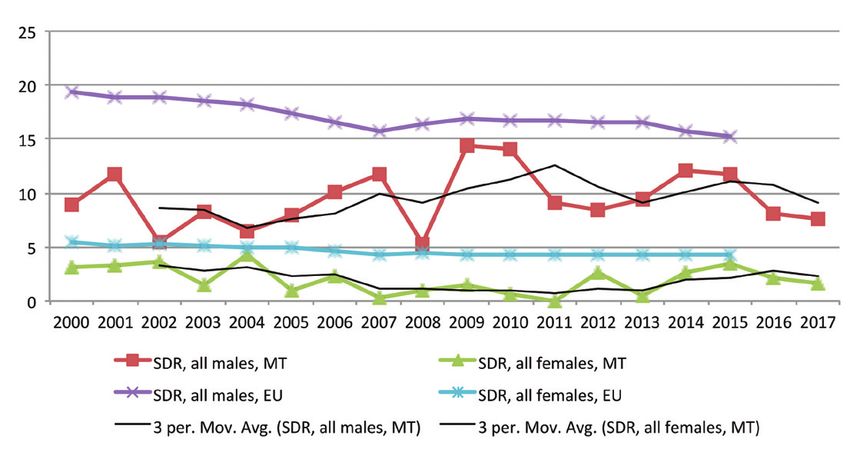
This strategy will guide the
      implementation of investment
  and reforms which will truly place
    mental health and treatment of
   mental illness at the heart of the
health policy agenda of our country
         in the years to come.

                                  Chris Fearne
                         Deputy Prime Minister
                            Minister for Health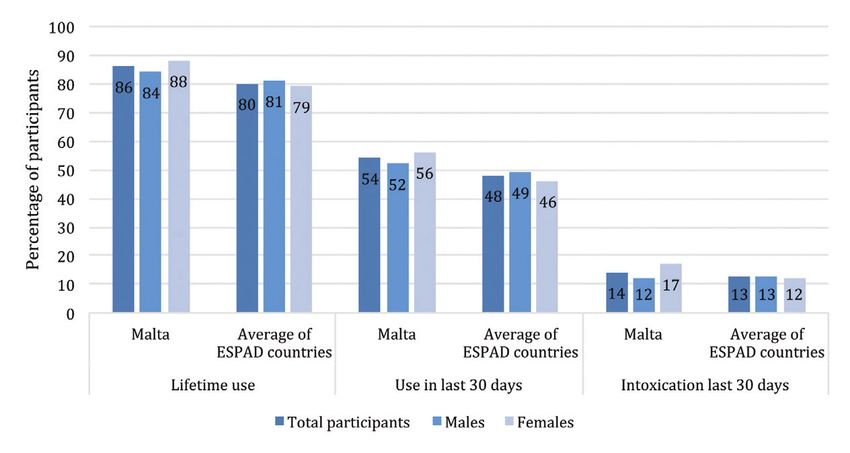
A Mental Health Strategy for Malta 2020-2030

 Foreword

Mental health is an indispensable element of health and well-being that
we all possess and need to nurture and protect through a proactive and
preventive approach that goes far beyond the confines of the health
sector. Indeed, every facet of our daily life has a bearing on our mental
wellbeing. Preserving a good state of mental health therefore involves
policies and actions within and beyond the health department.

As a government, we are doing this already by implementing policies
in line with our ethos and social conscience; by creating employment
opportunities, by reducing material poverty and by modernising our
approaches to education and substance misuse. We must go further.
This strategy sets out the roadmap how we can strive to achieve and
preserve mental wellbeing and how to manage instances when more
focused care is needed. In December 2018, the first important step of
this journey was taken when the Health Ministry presented a document
articulating Government’s commitment to the promotion of mental
health and transformation of our mental health services. Through
the extensive consultation process conducted, I believe that the
document has been well received. I wish to thank all those individuals
and organisations who provided feedback and input. We have done
our utmost to reflect your contributions in this document. This strategy
will guide the implementation of investment and reforms which will truly
place mental health and treatment of mental illness at the heart of the
health policy agenda of our country in the years to come.

This government is determined to do all that is necessary to positively
transform the mental health sector. We have already increased the
allocated budget by an additional sum of over nine million euros for
2019. However, we cannot do this alone. I invite you to join us as we
embark on a series of developments which will allow us to do more
to promote mental health and wellbeing, to reorient the provision of
mental health care towards a community-based service, to ensure
parity in mental health services and to guarantee a dignified care and
support environment for service users and professionals.

                                                                                    Chris Fearne
                                                                            Deputy Prime Minister
                                                                               Minister for Health

                                                                                                     3
4
A Mental Health Strategy for Malta 2020-2030

Acknowledgements

  The Office of the Deputy Prime Minister and Minister for Health would like to thank the team
   who conducted the consultation process and finalised this strategy document as well as
     the various Ministries, entities, organisations, unions, professionals, patients and carers
            for their support and contribution throughout the consultation process.

 The Office of the Deputy Prime Minister and Minister for Health would also like to acknowledge
     the valuable support received from the WHO Regional Office for Europe through the
                    WHO-Malta Biennial Collaborative Agreement 2018-2019.

                                                                                                   5
Table of Contents
    List of tables                                                                                         8
    List of figures                                                                                        8
    Glossary		                                                                                             8
    Executive summary                                                                                      9

    CHAPTER 1         - Mental health is a key priority for Malta                                          11
      1.1.     Mental health - Thematic Priority within the National Health Strategy Framework 2020-2030   11
      1.2.     Focus on Mental Health                                                                      11
      1.3.     Mental Health as a driver for sustainable development                                       11
      1.4.     Challenges associated with rapid socio-economic change                                      12
      1.5.     Our response to calls for investment and reform                                             13
      1.6.     A window of opportunity for consensus-based change                                          13
      1.7.     Scope and purpose of the document                                                           14
      1.8.     Operational definitions                                                                     14

    CHAPTER 2 - Values and Principles underpinning the strategic direction                                 15
      2.1.     Humanistic values                                                                           15
      2.2.     Key Principles informing the strategic reform                                               15
      2.3.     Building resilience for mental health                                                       16

    CHAPTER 3 - Situation Overiew                                                                          17
      3.1.     Mental disorders in the population                                                          17
      3.1.1.   International studies                                                                       17
      3.2.     The European dimension                                                                      18
      3.3.     Trends in the epidemiology of mental disorders in Malta                                     18
      3.3.1.   Mortality                                                                                   18
      3.3.2. Depression and anxiety                                                                        19
      3.3.3. Severe mental disorders                                                                       20
      3.3.4. Children and adolescents                                                                      20
      3.3.5. Substance misuse                                                                              21
      3.3.6. Dementia                                                                                      22
      3.3.7.   Perinatal Mental Health                                                                     23
      3.4.     Current status of the mental health services sector                                         23
      3.4.1. Services and Facilities                                                                       23
      3.4.2. Data pertaining to mental health services                                                     24
      3.4.3. Utilisation of medicines                                                                      24
      3.4.4. Information systems                                                                           25
      3.4.5. Mental health workforce                                                                       25
      3.4.6. Non-Governmental Organisations and Civil Society                                              26
      3.4.7. Moving Ahead                                                                                  26

6
A Mental Health Strategy for Malta 2020-2030

CHAPTER 4 - Renewing the mental health system	                                                               27
  4.1.   Our vision for the mental health system                                                             27
  4.2.   Objectives                                                                                          28
  4.3.   Promoting mental health and wellbeing for all                                                       28
  4.3.1. Addressing the wider determinants                                                                   28
  4.3.2. Work and mental health                                                                              29
  4.3.3. Promoting mental health in schools                                                                  30
  4.3.4. Substance misuse                                                                                    30
  4.3.5. Mental health in the elderly population                                                             31
  4.3.6. Creating safe and supportive environments                                                           31
  4.3.7. Digital technologies                                                                                31
  4.4.   A reconfigured mental health service framework                                                      33
  4.4.1. Seamless integration with physical health                                                           33
  4.4.2. Community mental health and ambulatory services                                                     33
  4.4.3. Emergency and crisis services                                                                       35
  4.4.4. Early intervention function                                                                         35
  4.4.5. A new hospital providing acute mental health services                                               36
 4.4.6. Repurposing of Mount Carmel Hospital into a dignified care complex                                   37
  4.4.7. Renewing the formulary for psychiatry medicines and expanding provision of non-medical interventions 38
  4.4.8. Specialised services - Proposed areas for further work                                              38
  4.5.   Enhanced support for persons with mental disorders, their families and responsible carers           40
  4.5.1. Rehabilitation and active support                                                                   40
  4.5.2. Benefits for persons with serious chronic mental disorders                                          41
  4.5.3. Support for service users, families and carers                                                      41
  4.6.   Strengthening mental health services research                                                       42
  4.6.1. Integrated electronic records                                                                       42
  4.6.2. Developing and sustaining the mental health workforce                                               42
  4.6.3. Epidemiological and health services research                                                        43
  4.6.4. Measuring performance                                                                               44
  4.6.5. Ensuring standards                                                                                  44

Implementation                                                                                               45
References                                                                                                   47

                                                                                                                   7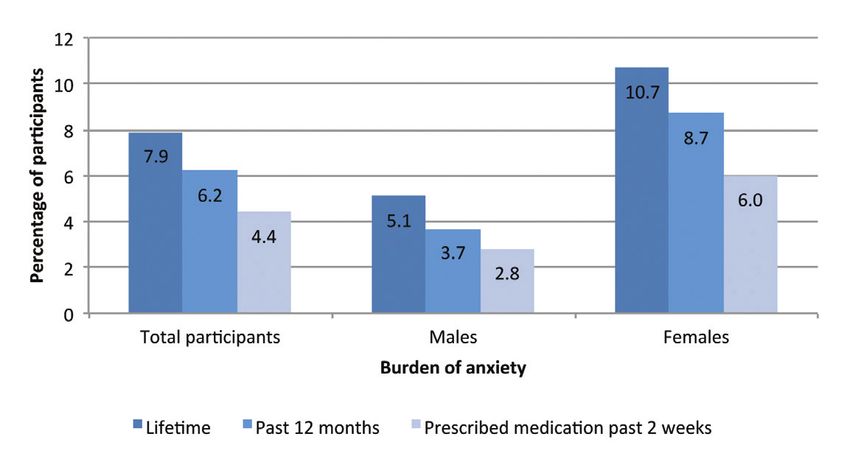
LIST OF TABLES
    Table 1 - Percentage of school-aged adolescents reporting feeling low or nervous more than once a week   21
    Table 2 - Number of people and percentage of the total population who have a valid Schedule V card
    		        for the treatment of one or more psychiatric disorders.                                        25

      LIST oF FIGURES
    Figure 1 - Building resilience as a core concept underlying the future of mental health                  16
    Figure 2 - Standardised death rates (SDR) due to suicide and intentional self-harm                       18
    Figure 3 - Self-reported prevalence of depression in persons >15 years                                   19
    Figure 4 - Self-reported prevalence of anxiety in persons >15 years                                      19
    Figure 5 - Self-reported lifetime chronic depression and anxiety by educational level                    20
    Figure 6 - Self-reported lifetime chronic depression and anxiety by marital status                       20
    Figure 7 - Trends in lifetime use of illicit drugs amongst 15-64 year olds                               21
    Figure 8 - Self-reported consumption of illicit drugs among 15-16 year olds (lifetime use)               22
    Figure 9 - Self-reported consumption of alcohol among 15-16 year olds                                    22

      Glossary
    DALY     Disability Adjusted Life Year
    DHIR     Directorate for Health Information and Research
    EC       European Commission
    EHIS     European Health Interview Survey
    ESPAD    European School Survey Project on Alcohol and Other Drugs
    HBSC     Health Behaviour in School-Aged Children Study
    MCH      Mount Carmel Hospital
    MDH      Mater Dei Hospital
    NCDs     Non-Communicable Diseases
    NGOs     Non-Governmental Organisations
    OECD     Organisation for Economic Cooperation and Development
    POYC     Pharmacy of Your Choice
    SDGs     Sustainable Development Goals
    SDR      Standardised Death Rates
    SHPs     Specialised Housing Programmes
    UN       United Nations
    WHO      World Health Organisation
    YLD      Years Lived with Disability

8
A Mental Health Strategy for Malta 2020-2030

    EXECUTIVE SUMMARY
In December 2018 the Ministry for Health launched a mental health strategy for widespread consultation. The finalised
strategy is being presented as the overarching framework which will guide investment and reform in mental health
services as well as the wider promotion of mental health and wellbeing. This document presents the overall vision
for mental health together with a series of envisaged measures for implementation. Change will be brought about
through a combination of initiatives to prevent mental ill-health where possible, investment in physical and human
resources and the creation of a new service framework which revolves around service users’ needs and is anchored
firmly in community-based services.

The strategy upholds the values of dignity, autonomy and rights of all people with mental disorders. It recognises that
everyone has an equal opportunity to attain mental well-being throughout their lifespan and all individuals are entitled
to appropriate health care, including mental health care. It embraces a modal shift in the locus of care away from
institutions towards community-based mental health care.

Our vision is that of a society which promotes mental health and well-being for everyone, prevents mental disorders
among individuals at high-risk and provides quality treatment, care and support to individuals with mental health problems.

This vision will be implemented through a series of actions grouped under four clusters:
•   Promoting mental health and wellbeing by addressing the wider determinants of health
•   Transforming the framework within which mental health services are delivered
•   Supporting all persons with mental disorders and their families
•   Building capacity and fostering innovation to improve the performance of our mental health services

Addressing the broader context and determinants of health, while pursuing inter-sectoral initiatives within schools and
workplaces is a priority in the prevention of mental illness. A specific focus is therefore being placed on promotion and
preventive efforts in children and adolescents, as well as on tackling problems related to substance misuse. The elderly
population also represents a vulnerable target group in whom mental health problems often go undiagnosed and untreated.

Government recognises the importance and expertise of persons with lived experience of mental illness, their significant
others, civil society and NGOs as partners in the implementation of transformative change in the sector. We will continue
to strengthen the existing relationships and offer further opportunities for expert organisations to contribute towards
prevention and support activities.

Integration of physical and mental health services will be pursued as a key objective across all the mental health
service reforms. Community and hospital mental health services will become more tightly integrated. The mental
health service framework will be transformed such that community services become the mainstay of care, treatment
and rehabilitation of persons with mental health problems in Malta. Acute hospitalisation for mental illness will be
provided from a purpose-built psychiatric facility which will be developed on the Mater Dei Hospital campus in the
coming years. Meanwhile, work is ongoing to ensure that Mount Carmel Hospital becomes a dignified, modern and safe
care environment facility until such time as the acute hospital is fully commissioned. Consequent to the development
of community based mental health services and the opening of the psychiatry facility on Mater Dei campus, Mount
Carmel Hospital will be repurposed. A review and update of the medicines available on the national formulary for
mental health is also being undertaken.

                                                                                                                              9
The rehabilitation and integration of people with mental illness within society will be supported by facilitating access to
employment opportunities, sheltered housing and social benefits.
For the above measures to be implemented, investment is necessary but this alone is insufficient. The development
and capacity of the mental health workforce and the roll-out of electronic health records within the mental health
sector are essential health system building blocks to bring about change and will be given due attention early on in the
implementation of the strategy since they are critical factors to achieve the desired results.
10A Mental Health Strategy for Malta 2020-2030
Chapter 1
Mental health is a key priority for Malta
1.1. Mental health - Thematic Priority within the National Health Strategy
Framework 2020-2030
Malta has made significant progress in improving the health of its population. Life expectancy reached a high 82.6
years in 2016 (1) and on average, Maltese people spend close to 90% of their lifespan in good health. The Maltese health
system achieved remarkable improvements in decreasing avoidable mortality and maintaining low levels of unmet
need. Key health indicators have improved considerably over the last decade, and Malta now compares favourably
against other European countries (2,3).
The main current health system challenges include; adapting the health system to an increasingly diverse population;
increasing capacity to cope with a growing population and redistributing resources and activity from hospitals to
primary and community care.
In order to respond effectively to the rapid socio-demographic and technological changes, whilst ensuring that the
Maltese health system is geared to address population health needs in the coming years, Government has embarked
on the development of a series of strategic proposals which will lead to a National Health Strategy Framework for the
period 2020-2030. All of these proposals will be geared towards achieving the overarching objectives of Enhancing
Equity, Implementing Innovation and Safeguarding Sustainability.
This will also serve to implement the health components of Agenda 2030 and its Sustainable Development Goals.
Malta is generally well on track towards achieving the health-related sustainable development goals (4). However, a
number of thematic areas are deemed to require a specific and more focused approach to accelerate progress within
the framework of the overall health strategy.
1.2. Focus on Mental Health
The development of a national comprehensive strategy for mental health is a key recommendation in the European
Mental Health Action Plan 2013–2020 (5). Mental health is a strategic priority in the Malta-WHO Regional Office for
Europe Country Cooperation Strategy 2016-2021 and also features as a priority in WHO-Malta Biennial Collaborative
Agreement 2018-2019, which includes the provision of technical support for the development of this strategy.
There are several reasons for prioritising mental health in the context of the overall national health strategy development
for Malta at this point in time.
1.3. Mental Health as a driver for sustainable development
Mental health is a major aspect of a population’s overall quality of life, and mental disorders have a substantial impact
on a nation’s wealth, productivity and well-being. Mental disorders constitute one of the most significant public health
challenges in the WHO European Region, being the leading cause of disability and the third leading cause of overall
disease burden (as measured by disability-adjusted life-years), following cardiovascular disease and cancers (6).
11Mental illness is the leading cause of disability globally and for this reason, it has been specifically included as a target
within the Sustainable Development Goals:
‘SDG target 3.4:
By 2030, reduce by one third premature mortality
from non-communicable diseases through prevention and treatment
and promote mental health and well-being’.
Overall, it is estimated that more than half the general population will suffer from at least one mental disorder at some point
in their lives. Mental disorders are therefore, by no means limited to a small group of predisposed individuals but can happen
to anyone and as a result are a major public health problem with marked consequences for society. They are related to
severe distress and functional impairment—these features are in fact mandatory diagnostic criteria—that can have dramatic
consequences not only for those affected but also for their families and their social- and work-related environments. (7).
These consequences affect the entire social fabric. Economic and financial costs occur directly within the healthcare
system, and indirectly via high productivity losses and impact on economic growth. Although the estimated size of
economic costs depends on the analytic approach, available data from 2010 show that the costs of mental disorders
globally can be estimated at US$2.5 trillion using a traditional human capital approach, or US$8.5 trillion using a
willingness to pay approach. Mental disorders therefore account for more economic costs than diseases such as cancer
or diabetes, and their costs are expected to increase exponentially over the next 15 years (8). Besides direct costs, the
economic impact of mental ill-health results from poorer educational outcomes, lack of labour force engagement,
presenteeism at the workplace (reduced productivity) and absenteeism, earlier retirement and welfare dependency (9).
Although there are no specific studies estimating the economic burden of mental illness in Malta, extrapolations can be
made on the basis of overseas studies. OECD estimates that the direct and indirect costs of mental health can amount
to over 4% of GDP with one of every five persons of working age experiencing mild-moderate mental disorders (10).
Using the OECD estimate and applying it to the figures for Malta’s GDP in 2017 (11), the total costs associated with the
burden of mental illness would be in excess of 400 million Euro annually.
1.4. Challenges associated with rapid socio-economic change
“Our economy today relies mainly if not solely on human brain capital. The sustainability of our
existence as a successful nation depends on human brain capital. We will be foolish not to invest
now in our biggest and only real national asset.”
- Cachia JM, Commissioner for Mental Health 2016
Malta is going through a period of rapid societal and cultural change. In addition to an ageing population resulting from
increasing life expectancy, a thriving service-based economy has fuelled a net immigration of young adults seeking
employment in Malta. These factors have together resulted in marked population growth with Malta’s estimated
population having been revised upwards to 475,701 residents at the end of 2017, an increase of almost 13% over the
preceding five years (12). For the first time in a century in 2014, men started to outnumber women. This is particularly
marked in the young adult age groups. Approximately 12% of the population is estimated to be foreign.
The risk of admission to the psychiatric in-patient facility, Mount Carmel Hospital, for non-Maltese persons is 2.2 times
that of the general population, whilst for persons from low and middle-income countries residing in Malta, the admission
rate is 5-fold that of the general population (Cachia JM, Commissioner for Mental Health, personal communication,
September 13, 2018). A combination of factors including stress associated with living in one’s non-native country, lack of
support during a crisis and difficulties associated with integration are well known to place a huge pressure on migrants,
including foreign workers. The mental health services are struggling to address this new complex reality so as to be able
to provide appropriate and culturally sensitive services. Appropriate services must be developed to deal with this need
in view of the fact that significant others and family members are unlikely to be available to provide support.
12The rapid shift from a conservative traditional society to a multi-ethnic, multi-cultural, more liberal and post-modern
society with a booming economy, has brought several success stories but has also brought novel challenges for the
health system and society. Lifestyle and behavioural changes have overtaken all strata of society across the life course.
Whilst the majority of individuals are able to take up the opportunities offered by economic growth as well as a more
open society and therefore prosper, others struggle and are increasingly likely to fall behind.
These phenomena have driven changing social norms and practices as well as contributing to widening inequalities.
Various aspects of these changes can have an influence on the mental health of the population, particularly for people
who are at risk of developing a mental disorder or who may already suffer from mental health problems. An effective
mental health care system is required to minimise potential negative implications for society as a whole, especially for
individuals with mental disorders and their families.
1.5. Responding to calls for investment and reform
The Malta Health System review carried out in 2017 identified the strengthening of the mental health sector as an
important priority for the coming years together with primary health care (2).
The National Audit Office in its performance review of Mount Carmel Hospital recommends that “an all-encompassing
national strategy on mental health needs to be implemented at the earliest to ensure the effective overhaul of MCH
and to address the prevalent negative stigma on mental health. This Office also strongly recommends that any future
mental health strategy should have community services as its flagship” (13).
The Commissioner for Mental Health proposes five objectives for mental health in Malta namely; mainstreaming mental
health services, moving the focus of care from institutions to community, moving acute psychiatric care to the acute
general hospital setting, supporting rehabilitation through specialised units preferably in the community and providing
long-term care in dignified facilities. The report published in 2018 positively notes that length of stay in involuntary care
has diminished substantially, patients seemed to be better kept and infrastructural and safety issues at Mount Carmel
Hospital are being addressed. It was additionally noted that action is being taken to re-organise acute care within the
Mount Carmel Hospital set-up (14).
In October 2017, The President’s Foundation for the Well-being of Society published the results of an extensive
consultation process conducted in collaboration with the Office of the Commissioner for Mental Health to explore ways
within which the well-being of persons suffering from mental disorders can be improved. The report “Mental Health in
Malta: Well-being through a Shared Strategy” was intended to concisely capture the views of services users, NGOs and
health professionals and several policy recommendations were produced (15).
A position paper produced by the Alliance for Mental Health (an umbrella organisation set up to bring together four associations
representing different constituencies in the mental health sector) crystallised the window of opportunity emanating from the
“welcome, genuine and public acceptance that interventions are urgently required” in the area of mental health (16).
1.6. A window of opportunity for consensus-based change
The mental health strategy draws widely upon the reports of the above-mentioned organisations as well as feedback
obtained from an extensive consultation process. The significant and far-reaching changes to the current organisation
and delivery of mental health care services are unlikely to come into place without a specific, ambitious yet contextually
grounded and realistic mental health strategy. This is the purpose of the strategy.
The growing consensus among diverse stakeholders about the need for action in the mental health sector and what this action
should look like presents a historic opportunity for the nation to come together to define and establish our goals for mental
health and well-being, as well as to determine how we will work together to accomplish these in the shortest time possible.
131.7. Scope and purpose of the document
The fast-track development of this mental health strategy demonstrates a genuine commitment to the promotion and
protection of mental health and well-being in the country. Government has already made a firm public commitment to prioritise
funding and investment in the mental health sector over the coming decade. Yet, it is recognised that funding alone will not
suffice to bring about the necessary transformation. A comprehensive approach that engages professionals, stakeholders
and society and attains the widest possible consensus in this ambitious endeavour is required. The consultation process has
confirmed that there is wide consensus for a need for change and for fresh initiatives with a sense of a co-ordinated direction.
This document provides a blueprint which sets the way forward for change in this sector. Change will be brought about through
a combination of initiatives to prevent mental ill-health where possible, investment in physical and human resources and the
creation of a new service framework that fully respects the provisions of the Mental Health Act and truly embodies the mantra
of the Sustainable Development Goals, namely “leaving nobody behind”.
1.8. Operational definitions
Well-being
Subjective evaluation of life satisfaction as well as less subjective social, environmental and personal circumstances
that might be considered to contribute to a good life.
Mental health
The capacity of thought, emotion, and behaviour that enables every individual to realise their own potential in relation
to their developmental stage, to cope with the normal stresses of life, to study or work productively and fruitfully, and
to contribute to their community (17).
Mental disorder
Disturbances of thought, emotion, behaviour, and relationships with others that lead to substantial suffering and
functional impairment in one or more major life activities, as identified in the major classification systems such as the
WHO International Classification of Diseases and the Diagnostic and Statistical Manual of Mental Disorders.
The term mental disorder is used in this document interchangeably with mental health challenges, mental health
problems, mental problems, and mental illness.
Resilience
Individual level resilience is the process of adapting well in the face of adversity, trauma, tragedy and threats. It also
includes coping with significant stress caused by problematic and toxic relationships in the family or the workplace and
‘bouncing back’ from difficult experiences.
Community resilience is the ability of social groups to withstand and recover from unfavourable circumstances.
System level resilience is a system’s capacity to absorb, adapt, anticipate and transform when exposed to external
threats or forecast shocks that bring about new challenges and opportunities whilst still retaining control over its remit
and pursuit of its primary objectives and functions.
Health systems do not exist in a vacuum but are subject to the influence of the environment within which they operate.
The political, economic, social and regulatory environment can support health systems through appropriate policies
that are health enhancing. Conversely, societal pressures which create unfavourable conditions for health enhancing
opportunities and promote health harming behaviour will have a negative impact on mental health and well-being,
creating increased pressure on the mental health services (18).
Recovery
From the perspective of the individual with mental illness, recovery means gaining and retaining hope, understanding
ones’ abilities and disabilities, engaging in an active life, personal autonomy, social identity, meaning and purpose in
life, and a positive sense of self.
14A Mental Health Strategy for Malta 2020-2030
Chapter 2
Values and Principles underpinning the strategic direction
2.1. Humanistic values
The strategy is underpinned by humanistic values some of which are enshrined in Maltese legislation.
Mental health is a universal and basic human right. From a social justice perspective, this principle emphasises the
rights of vulnerable populations who are at increased risk of developing mental disorders, as well as the rights of people
already living with mental disorders.
Malta’s legislation, reflecting the principles embodied in the European Convention on Human Rights, ensures the
safeguarding of human rights of all individuals and protects vulnerable people, including those with mental disorders.
The rights and entitlements of people who are subjected to voluntary and involuntary treatment are defined and
guaranteed through the Mental Health Act (19).
Going forward, the mental health strategy is built upon these values:
• The dignity and autonomy of all people with mental disorders shall be respected at all times.
• Everyone has an equal opportunity to attain mental well-being throughout their lifespan, particularly those who are
most vulnerable or at risk.
• All individuals are entitled to appropriate health care, including mental health care.
• Involuntary treatment will be avoided as far as possible, respecting the recommendations in the UN Report on
Torture and other Cruel, Inhuman or Degrading Treatment and the requirements of the Mental Health Act.
Considering the above values, the strategy is driven by the following principles.
2.2. Key Principles informing the strategic reform
• Since mental ill health occurs at any age, it needs to be addressed throughout the life-course
• Initiatives for mental health promotion and the prevention of mental disorders are to be initiated and/or strengthened
to limit or reduce the prevalence of mental disorders, as far as possible
• Persons with mental health problems should be protected from stigma and discrimination
• Mental health care will be based on research evidence from diverse fields, including the genetic, developmental,
social, psycho emotional, psycho social, environmental and biological determinants of mental health where such
evidence is available
• Mental health governance and delivery are to be driven by reliable information and knowledge
• The planning and delivery of mental health care must actively involve different stakeholders, including patients with
mental disorders and their families/responsible carers. Their views will inform the planning and development of
services that they benefit from. Family members/responsible carers are considered as important partners in the
care process
• Mental health care interventions will consider the personal circumstances, needs, concerns and priorities of the
patients and their families. Social interventions will be implemented alongside psychological, pharmacological and
rehabilitative treatments tailored to the needs of a specific individual (the hallmark of person-centred care) through
multidisciplinary teams
• Mental health care will be designed and delivered using a systems approach. Care will be outcomes driven, aiming
at discharge and long-term planning from the initial stages of patient encounter with the system. Thus, the strategy
15does not focus on single services but on how the often complex problems of people with mental disorders can be
met in a holistic and effective fashion, which may require inter-sectoral collaboration
• The reconfiguration of care away from hospitals and into community settings as a commitment to prevent further
institutionalisation and promote deinstitutionalisation wherever possible fulfils the principle of providing care in the
least restrictive environment possible
• Mental health services are to be fully integrated within the general health system and coordinated with other sectors
where this is possible, since mental health systems perform more effectively when functioning in well-coordinated
inter-sectoral partnerships
• Whilst the experiences of other countries provide important information and guidance, the strategy for Malta cannot be a copy
of what has been happening in other countries. It is specific for the context of Malta in the current period of its development
• Transformation of the mental health system will take place incrementally. Flexibility to allow for further developments
at a later stage and to respond to possible new aspects that may arise in the next ten years will be of paramount
importance and will lead to a sustainable form of service provision
• Whilst good mental health care requires sufficient funding, it must be able to demonstrate efficiency and provide good
value for money
These values and principles guided the whole strategy planning process, and will guide the plans for changes as far as
they are already specified, and eventually the implementation process.
2.3. Building resilience for mental health
The concept of resilience is being proposed as a central tenet guiding the development of a comprehensive strategy
for mental health in Malta.
Government
& Society
Mental Health
System
Communities
Families
Individuals
Figure 1 - Building resilience as a core concept underlying the future of mental health
Some initiatives and measures proposed in the strategy focus on building individual resilience. These range from
preventive measures through to treatment, the process of supportive rehabilitation catering for recovery following relapse,
and the provision of appropriate empowering long-term care. The role of the family and responsible carers cannot be
underestimated. Whilst they play an important part in supporting the affected individual, their own resilience needs care
and attention since they also have needs and require support from the mental health system. Other initiatives target the
wider community, adopting a settings approach. These may include educational, workplace and other locality-based
measures. Local programmes that address employment, the environment, housing, leisure and social activities, poverty
and security are examples of initiatives intended to foster community resilience.Government plays an important role
by adopting legislative and economic measures that are shown to foster mental health and well-being, emphasising
inter-ministerial collaboration and inter-sectoral partnerships with a wider societal approach involving joint efforts with
commercial sectors and civil society to create conditions in which mental health is valued and promoted. The mental
health system also needs to be resilient to cope with the changing needs and demands of an evolving socio-demographic
environment. The challenge here is to strengthen and position the system such that it progresses from a system that
is focused on absorbing the impact of this additional burden and struggling to cope, to a system that is geared to
anticipate the changing nature of the demands and adjust itself accordingly to respond from a position of strength.
16A Mental Health Strategy for Malta 2020-2030
Chapter 3
Taking stock of the current situation
3.1. Mental disorders in the population
Mental health and illness exist along a continuum moving away from well-being to mild, time-limited distress through
to more chronic, progressive, and severely disabling mental disorders. Conditions related to substance misuse often
coexist with mental disorders. Mental disorders are also more common in persons with chronic physical conditions. The
binary approach to diagnosing mental disorders, although useful for clinical practice, does not accurately reflect the
diversity and complexity of mental health needs of individuals or populations.
Mental disorders can have an impact for many years. Up to 50% of mental disorders in the adult population begin
in adolescence before the age of 14 years (20). Whilst these disorders can occur one time only with full remission
afterwards, they often take a more relapsing-remitting or persistent course, so that their impact on the lives of the
affected people and their families can last for decades. Trends worldwide show that depression is on the increase,
especially in adolescent girls, where around one third experience mental health issues.
Persons with mental disorders die 20 years earlier than the general population (21). The great majority of these deaths
are not necessarily mental disorder cause-specific, but rather the result of other co-morbidities associated with their
mental conditions, notably non-communicable diseases (NCDs) that have not been appropriately identified and
managed.
3.1.1. International studies
Mental disorders are extremely common and pose a major burden for the persons affected, their families and society. The
global burden of disease attributable to mental disorders has risen in all countries in the context of major demographic,
environmental, and socio-political transitions.
A recently reported prospective cohort study found that almost three out of four persons would have experienced
some type of mental disorder by the age of 50 years (22) whilst a multi-country cohort of elderly persons found that
one out of two individuals surveyed had experienced a mental disorder in their lifetime. In this survey, one out of three
individuals had experienced a mental disorder within the past year and nearly one in four had a mental disorder at the
time of the survey. The most prevalent disorders were anxiety disorders, followed by affective and substance-related
disorders. These new findings show a higher prevalence compared with previous studies (23).
A systematic review and meta-analysis pooling 174 surveys across 63 countries found that approximately 1 in 5
respondents were identified as meeting criteria for a common mental disorder during the 12 months preceding
assessment, with just under 1 in 3 respondents having experienced a common mental disorder at some point during
their lifetimes. A consistent gender effect in the prevalence of common mental disorder is evident. Women have much
higher rates of mood and anxiety disorders whilst men have higher rates of substance use disorders (24).
International studies report markedly varied prevalence estimates for mental disorders, this partly being due to
significant regional and country variation. Yet, the global burden of mental illness is now believed to account for one
third of years lived with disability (YLDs) and 13·0% of disability-adjusted life-years (DALYs) making mental health the
top-ranking global condition for disability (25).
173.2. The European dimension
The Green Paper “Improving the Mental Health of the Population: Towards a Strategy on Mental Health for the European
Union”, published in 2005 reported that over a quarter of European Union citizens experienced a mental disorder at any
point in time (26). It is estimated that each year, mental disorders affect more than a third (38%) of the EU population
including children, adolescents and the elderly. Among the most frequent disorders are anxiety disorders (14%) and
major depression (7%). Alcohol and drug dependence affect around 4% of the EU population. The ageing population is
resulting in increasing prevalence of dementia, affecting 5% of individuals over 65 and 20% of those over 80 (27).
The European Mental Health Action Plan 2013-2020 published by the WHO Regional Office for Europe in 2015 states
that 25% of persons living in the WHO European Region are affected by a mental disorder. Mental disorders are by far
the most significant of the chronic conditions affecting the population of Europe, accounting for just under 40% of all
chronic condition cases. Depression alone is responsible for 14% of the disability burden, making it the leading chronic
condition in Europe followed by alcohol-related disorders (6%) in second place. Severe mental illnesses affect about 3%
to 5% of the population. Mental disorders tend to be more prevalent among those who are most deprived (5).
The European Health Interview Survey (EHIS) (28) provides a comparable measure of the prevalence of anxiety and
depression across participating EU countries. Findings from the latest EHIS conducted in 2014 show that 7% of European
citizens report suffering from chronic depression.
3.3. Trends in the epidemiology of mental disorders in Malta
The data presented in the studies reported above originate from population-based studies in several countries. To
date there have been no large, high-quality population-based studies in Malta. However, there is little reason to
assume that the actual data for Malta would be very different to these general figures. The numbers are relatively
consistent across different European countries with a tendency to higher prevalence rates in countries with higher
income inequality, and slightly lower rates in Mediterranean as compared to Central and Northern European countries.
The rate of mental illness in Malta is therefore believed to be comparable to that of other developed countries. Thus,
in the planning of such services, given the near absence of local epidemiological data, it is considered reasonable to
follow actions adopted in such countries whilst adapting to the local context wherever information that allows us to
do so is available (29). Nevertheless, some local data is available and is presented in the next section of the document.
3.3.1. Mortality
In 2014, 4.2% of deaths in Malta were attributed to mental and behavioural disorders (EU average 3.7%) with dementia being the
most common cause. The death rate from intentional self-harm (suicides) was 8.3 per 100,000 (EU average 11.3) with men being
almost seven times more likely to die from intentional self-harm than women. Deaths from intentional self-harm in the over 65
age groups occur exclusively in men. Such deaths are 1.5 times more common in this age group than in persons under 65 years.
Figure 2 - Standardised death rates (SDR) due to suicide and intentional self-harm
Source: European Health Information Gateway, World Health Organisation (29) and National Mortality Register,
Directorate for Health Information and Research (30).
183.3.2. Depression and anxiety
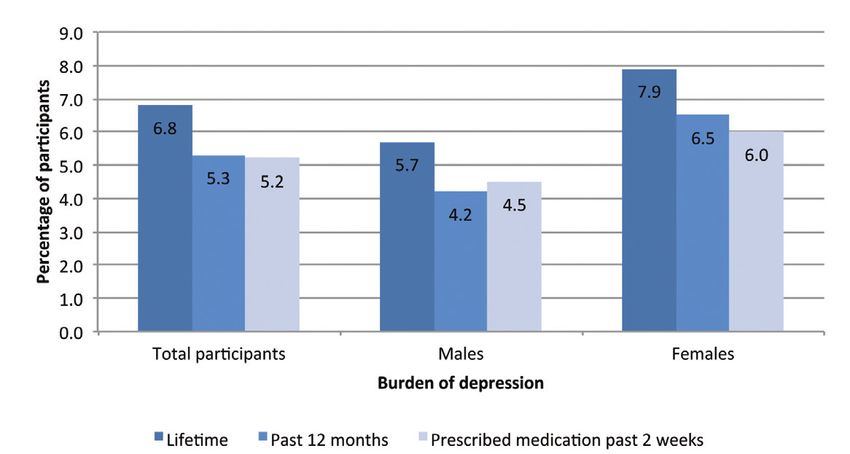
5.3% of European Health Interview Survey (EHIS) participants in Malta reported having experienced depression in the
preceding year compared to 7.1% in the EU. Women were 1.5 times more likely to report having experienced depression
than men. Around 5% of respondents had been prescribed medication for depression in the preceding two weeks (Figure 3).
Depression in Malta is reported less frequently across all age groups than the corresponding EU averages, except for
persons between 55 and 64 years where a higher rate is reported in Malta.
Figure 3 - Self-reported prevalence of depression in persons >15 years
Source: Directorate for Health Information and Research, Malta. European Health Interview Survey 2014 (28).
7.9% of EHIS participants in Malta reported that they had chronic anxiety at some point in their lifetime with
6.2% reporting having had this condition in the preceding 12 months. Around 4% of the population surveyed
reported taking prescribed medicines for chronic anxiety (Figure 4). Self-reported anxiety increases with
age reaching a prevalence of 10% in persons aged 75 years and over.
Figure 4 – Self-reported prevalence of anxiety in persons >15 years
Source: Directorate for Health Information and Research, Malta. European Health Interview Survey 2014 (28).
Persons with lower levels of education are more likely to report suffering from depression and anxiety. Depression
is reported 3 times more frequently in those with the lowest levels of education compared to persons with tertiary
education (Figure 5).
19Figure 5 – Self-reported lifetime chronic depression and anxiety by educational level
Source: Directorate for Health Information and Research, Malta. European Health Interview Survey 2014 (28).
Widowed or divorced respondents were also more likely to report having experienced chronic depression and/or
anxiety in their lifetime (Figure 6).
Figure 6 – Self-reported lifetime chronic depression and anxiety by marital status
Source: Directorate for Health Information and Research, Malta. European Health Interview Survey 2014 (28).
3.3.3. Severe mental disorders
The incidence of psychosis in Malta within the general population has been estimated to be 26 per 100,000 with urbanisation,
low socio-economic status and immigration being identified as potential risk factors. Higher educational attainment may
be a protective factor. Migrants are particularly at risk with a rate of 400 per 100,000 within asylum seekers (32).
3.3.4. Children and adolescents
Half of all mental disorders start before the age of 14 years. Data from the Health Behaviour in School-Aged Children
Study (HBSC) (33) shows that across all age groups surveyed, the percentage of boys and girls in Malta who report either
feeling ‘low’ or feeling ‘nervous’ is higher than the average amongst the 48 countries and regions surveyed in Europe and
North America. The proportion increases with age such that more than a quarter of children aged 15 report feeling low
and more than one third report feeling nervous. Girls consistently report these feelings more commonly than boys (Table 1).
A study conducted locally in 2007 showed that 21.3% of Form 3 students were at risk of developing depression (34).
A similar subsequent study in 2015, found that 27.3% of Form 4 students were at risk of developing depression (35),
indicating an increasing trend in risk.
20Feeling low more than once a week
11-year-olds (%) 13-year-olds (%) 15-year-olds (%)
Boys Girls Total Boys Girls Total Boys Girls Total
Malta 15 21 18 14 30 22 20 36 28
HBSC average 11 15 13 11 23 17 13 29 21
Feeling nervous more than once a week
11-year-olds (%) 13-year-olds (%) 15-year-olds (%)
Boys Girls Total Boys Girls Total Boys Girls Total
Malta 23 27 25 21 33 27 30 44 37
HBSC average 15 18 17 17 28 22 19 34 26
Table 1 - Percentage of school-aged adolescents reporting feeling low or nervous more than once a week
Feeling low more than once a week
Source: Health Behaviour in School Children (HBSC) Study: International report from the 2013/2014 survey (33).
3.3.5. Substance misuse
Data from the EHIS show that cannabis is the most common illicit substance misused in the adult population in Malta
with 7.3% of those aged 15-64 years reporting having used cannabis at least once during their lifetime. The level of
lifetime use of illicit drugs other than cannabis was considerably lower, ranging from 2.7% for cocaine down to 0.5% for
heroin. In general, the use of these drugs was more prevalent among males and younger adults. The lifetime use of
cannabis, ecstasy and cocaine has increased between 2008 and 2014 (Figure 7). Drug-induced psychosis accounted
for 25 % of all acute admissions to Mount Carmel Hospital in 2017. Just under one third of all involuntary admissions to
Mount Carmel Hospital in 2017 were in persons aged under 30 years.
Figure 7 – Self-reported lifetime use of illicit drugs amongst 15-64-year olds
Source: Directorate for Health Information and Research, Malta. European Health Interview Survey 2008 and 2014 (28,36).
According to data from the European School Survey Project on Alcohol and Other Drugs 2015 (ESPAD) (37) , cannabis is
the most commonly used illicit drug amongst students aged 15-16 years in Malta. Its use is slowly increasing amongst
this population group, although it remains lower than the European average (Figure 8). Trends in cannabis use in
European countries indicate a general increase in both lifetime and last-30-day use between 1995 and 2015, from 11 %
to 17 % and from 4 % to 7 % respectively.
Maltese students aged 15-16 years report above European average levels of lifetime alcohol use, alcohol use in the last
30 days and heavy episodic drinking in the last 30 days. The prevalence of alcohol use in females is greater than in
males (Figure 9).
21Figure 8 - Self-reported consumption of illicit drugs among 15-16-year-olds (lifetime use)
Source: ESPAD report 2015 (37).
Figure 9 – Self-reported consumption of alcohol among 15-16-year-olds
Source: ESPAD report 2015 (37)
3.3.6. Dementia
The burden of this disease is on the rise and it is more prevalent amongst females when compared to males. The prevalence
of Alzheimer’s disease in Europe is estimated at 5.05%, with the prevalence in women being twice that in men.
Alzheimer’s and other causes of dementia have risen to become the sixth most common cause of death in Malta by 2014
(3). The percentage of people with dementia in Malta is estimated to reach 2.37% by 2030 (38). At the end of the third
quarter of 2018, 1,652 persons were receiving free treatment for dementia. The National Dementia Strategy Malta 2015-
2023 (39), published in 2014, contains a series of strategic objectives aimed at enhancing the quality of life of individuals
with dementia, their caregivers and family members. Development of mental health services for persons with dementia
will be aligned with the objectives and actions envisaged in the above–mentioned National Dementia Strategy. These
include an increase in awareness and understanding of dementia, the provision of timely diagnosis, the availability of a
trained workforce, improving community and hospital care, promoting an ethical approach to dementia care as well as
strengthening research in this field.
223.3.7. Perinatal Mental Health
Mental health problems in pregnancy may often go unnoticed with serious consequences. A study conducted locally
some years ago found that around 15% of mothers met the criteria for depression at their booking visit. This rate declined
to 11% in the third trimester and 9% after delivery (40).
3.4. Current status of the mental health services sector
“All countries can be thought of as
developing countries in the
context of mental health”
(The Lancet Commission on global mental health and sustainable development 2018)
As societies change and new challenges emerge, mental health systems need to adapt to meet the evolving population
needs. An assessment of the current state of mental health services organisation and delivery is the starting point to
bring about change and improvement. Indeed, several reports have been drawn up over the past months and the
forthcoming section distils and presents their most salient findings and observations.
The lack of an appropriate governance framework that brings together all the services available as well as the various
professions working in the field, leaves the overall system fragmented, inefficient and without proper communication
channels between different professions and different levels of care. Referral pathways and communication channels
linking community services to secondary and tertiary care are not well established with a consequent impact on
continuity of care. The system remains largely medically and hospital oriented with insufficient resources and focus on
patient rehabilitation and reintegration in the community.
The Mental Health Act was of critical importance in strengthening the rights of service users and their responsible carers
as well as establishing new modalities of care. The Office of the Commissioner for Mental Health, which role emanates
from the Mental Health Act, has been a major catalyst in bringing mental health to the top of the national agenda in recent
years as it seeks to promote and safeguard the rights of persons suffering from a mental disorder as well as their carers.
3.4.1. Services and Facilities
Whilst several efforts have been made over the years to develop community-based services with some community clinics
being exemplars of good practice, these service standards are not available consistently throughout the whole mental
health system. As a result, the focus of the mental health sector regretfully remains somewhat hospital-centric, with Mount
Carmel Hospital as the hub for key decisions and activities. Whilst there are notable pockets of excellence, for example,
the perinatal mental health services which successfully integrated the delivery of mental health care within the physical
health care setting, much remains to be done to generally achieve parity for mental health within the health system.
The existing community care element in the mental health sector can be classified into two broad categories, namely
community clinics and community mental health rehabilitation centres. While the community clinics are mainly geared
towards seeing to the outpatients’ clinical requirements, the community mental health rehabilitation centres are intended
to assist mental health patients in their rehabilitation to live within the community. Community-based services are
inequitably distributed geographically and are not available in the northern part of the island. The existent services vary
in their quality, but all are generally understaffed and their provision is very inconsistent. Some single services do provide
outstanding care with good multi-disciplinary teams and functioning links with primary care. The Outreach Services where
help is given at home level, the Public Private Partnerships with Richmond Foundation and Suret il-Bniedem provide much
needed supported-community living programmes. Most programmes are insufficient to cope with escalating needs and
the full potential of these satellite mental health services is therefore not being attained.
23Where the gate-keeping role of community services fails, hospital admissions that could possibly be avoided are
incurred. Furthermore, inadequate community support makes discharging hospitalised patients difficult thereby
leading to unnecessarily prolonged hospital stays. This impairs the efficient functioning of the overall mental health
service system and creates a difficult negative cycle.
In-patient care provided at Mount Carmel Hospital has been described as not being fit for purpose. This is primarily
attributable to the hospital’s layout which is outdated and consequently creates logistical and administrative challenges
in the provision of dignified and high quality mental health care.
Mount Carmel Hospital is partially serving as a place of last resort and final safety net for a significant number of individuals
who, though possibly in need of assistance and other targeted services, do not require hospitalisation in a mental health
institution. This situation places further strain on the already stretched resources and can detract attention from seriously
ill mental health patients who require hospitalisation. Whilst it is laudable that the mental health sector is stepping in to fill
existent gaps, this situation demoralises staff and may be detrimental to patients seeking mental health recovery.
This strategy also acknowledges certain gaps in the provision of forensic mental health services. Inmates suffering from
mental illness and requiring varying levels of care including; acute care, support during the recovery process from an acute
phase of their illness and adjustments in methadone doses, are presently all treated together at the Forensic Unit situated
within Mount Carmel Hospital.
3.4.2. Data pertaining to mental health services
Hospital discharge rates for persons with mental and behavioural disorders for Malta are lower than EU average and
the average length of stay is one of the highest reported in the EU. The largest increase in average length of stay
between 2010 and 2015 in the EU was recorded in Malta, having risen from 34 to 47 days. Whilst the average length
of stay for persons suffering from mental and behavioural disorders due to alcohol and substance misuse declined,
average length of stay of persons with severe mental illness (schizophrenia, delusional and mood disorders) increased.
Malta has the second highest number of psychiatric beds per 100,000 population, although a decrease in numbers
was recorded between 2010 and 2015. Whilst a 1.5-fold increase in the number of psychiatrists was reported between
2010 and 2015, the number is one of the lowest in the EU and falls far short of the EU average being under 10 per 100,000
population. In 2016, 6% of the total expenditure on hospitals was spent on mental health care.
4.6 per 100,000 persons (5.3 EU average) reported having consulted a psychiatrist or psychologist in the preceding
12 months. A slightly higher proportion was reported by men than women. This contrasts with the trend in most EU
countries where consulting rates are higher in women than men (42).
3.4.3. Utilisation of medicines
Whilst national level data for medical treatment of psychiatric conditions is not available, Table 2, displays the number
of people who are in possession of a valid Schedule V card which entitles them for free medication for one or more
of the psychiatric disorders listed. Innovation in the public health system formulary for psychiatric treatment has been
identified as an area for further investment.
24You can also read


